


As the Trump administration asks the Supreme Court to let it to go forward with a plan to restrict mail-in voting, the top official at the ACLU of Connecticut says voters in the state should develop their own plan for the best way to vote if that scheme takes effect.
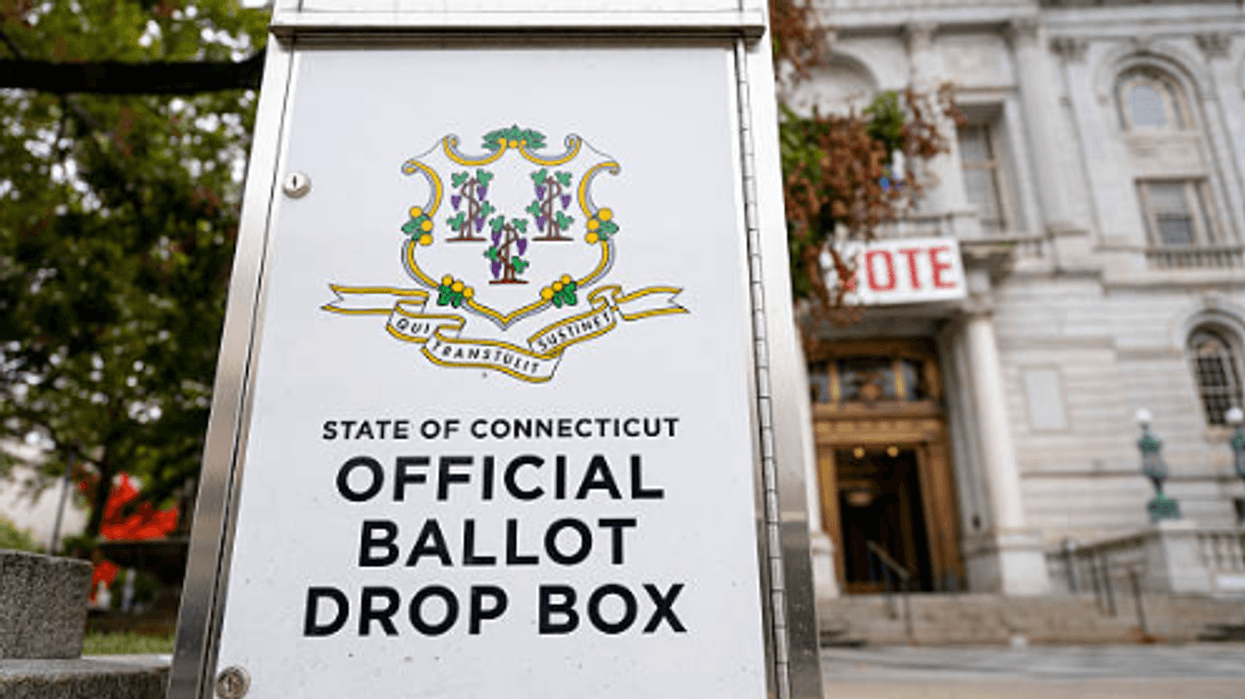
Although Connecticut now allows for universal absentee voting, David McGuire suggests residents might want to consider voting in-person this November, or even bypassing the post office and personally delivering their absentee ballot to their town’s drop box.
“With so much uncertainty, we think it is smart for voters to really think long and hard about what the best way for them to cast their vote is,” says McGuire, ACLU-CT's executive director since 2016. “It could be absentee… but this election more than any other one, there’s a cloud over it, particularly because the Trump administration has shown truly a contempt for law.”
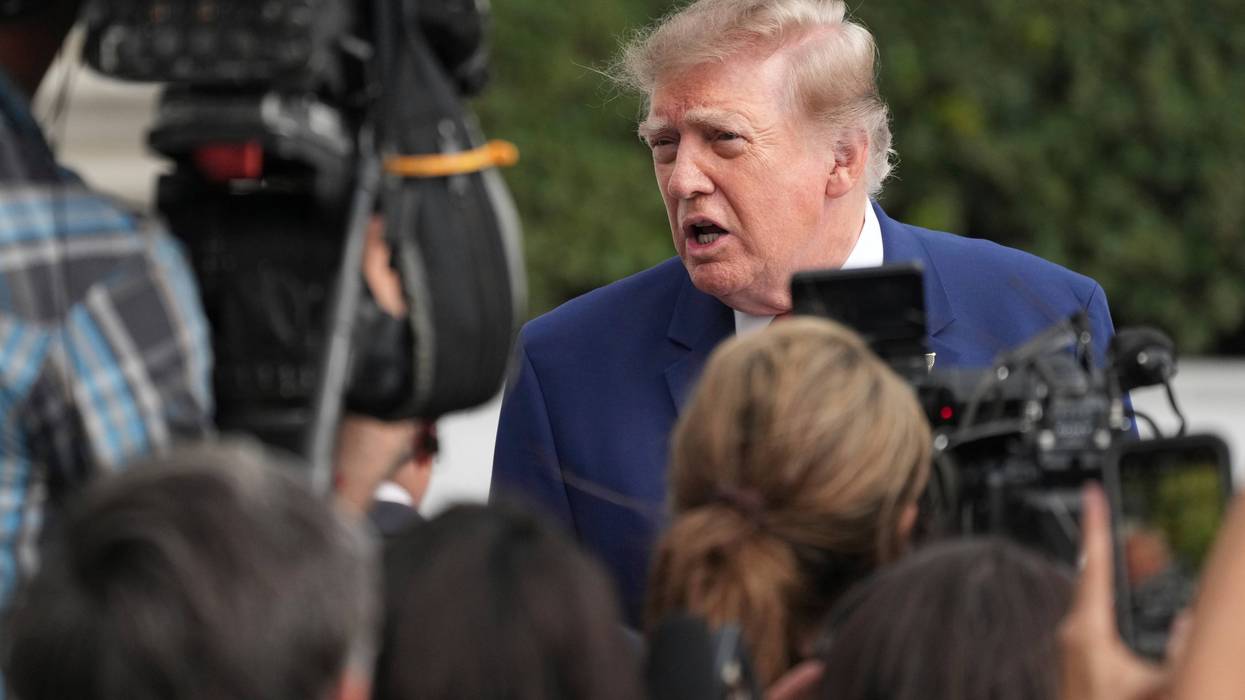
A federal judge in Boston is considering whether to extend her ruling blocking the new federal system, under which the U.S. Postal Service would refuse to deliver ballots in states that don’t share their voter data with the feds. Connecticut is one of those states. The plan would also change standards for ballot envelopes less than two months before the election.
Critics like McGuire say legitimate voters will be disenfranchised if the Trump plan takes effect.
“Quite frankly, given all the uncertainty and given a federal administration that does not respect the rule of law, we are encouraging people to think really hard about using that early voting window—those 14 days before the general election.”
“I don’t want us to be characterized as telling people not to use absentee voting. It is absolutely legal and a way to vote here in Connecticut. But, what we would say is, if you have an ability to get to the polls, you should go in early voting or Election Day and cast it that way… It is likely that you can still cast your vote securely by absentee ballot, but there’s just a lot of question marks right now, and we’re not that far away from the election.”
“Elections are the purview of states. Our state has recently changed its Constitution and give a new way for people to vote (absentee). Unfortunately, there’s a cloud over that right now because of the Trump administration’s actions.”
The first state to send out all its mail ballots, North Carolina, is scheduled to begin shipping them out Friday, with other states quickly following.
During a hearing in Boston, U.S. District Court Judge Indira Talwani repeatedly questioned Department of Justice attorney Michael Velchik about whether the Postal Service could actually implement Trump's plan from an executive order he issued last spring. The key piece is an online portal which would track tens of millions of mail ballots.
States would be required to upload their list of mail voters to the portal to have ballots delivered, and if the data there didn't match what was on the envelopes, the ballots would not be sent.
“I don’t even have a declaration from the Postal Service: ‘This is how it will work.’ I don’t have it. I have nothing,” Talwani said, adding later that it felt like the government was running an “experiment” to see if the system would work in the upcoming election.
“As you sit here today, you can’t tell me the government has a program ready to go?” Talwani asked.
Velchik repeated that the Postal Service would “fully implement the rule” that it published last month, triggering the latest round of litigation. He argued the main issue is whether Talwani has the legal power to stop it.
Material from the Associated Press was used in this report.