


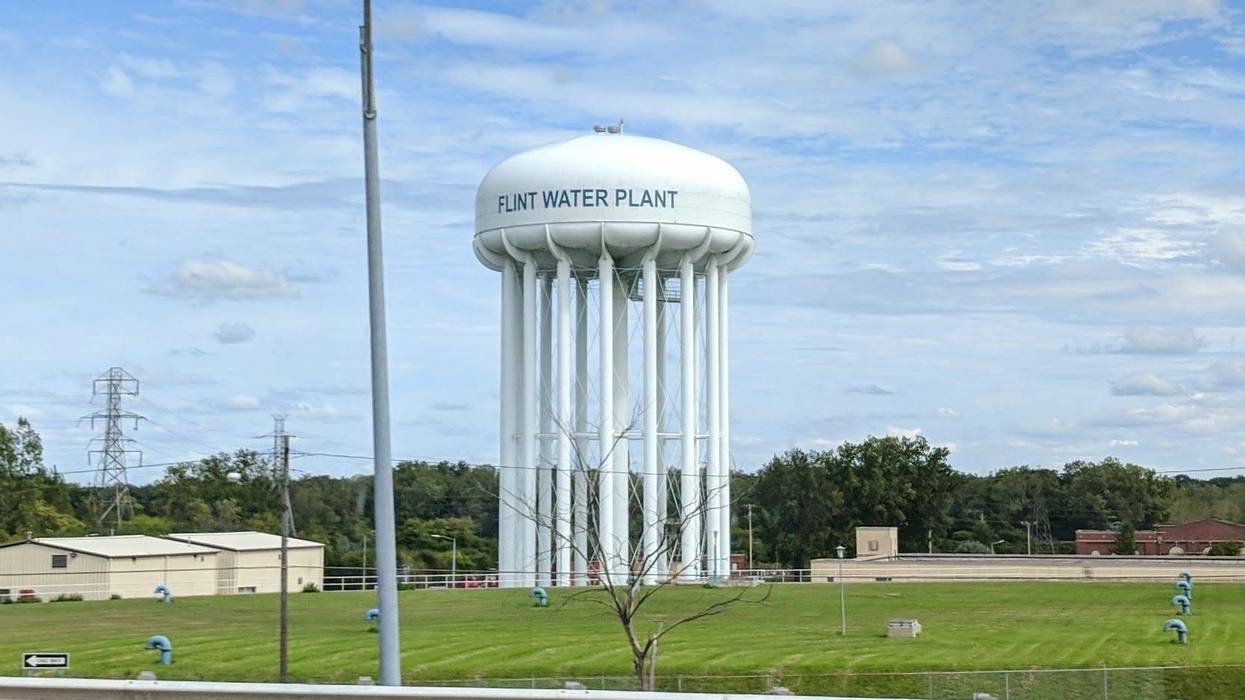

FLINT (WWJ/AP) - The Supreme Court has declined to take a case stemming from the 2014 water crisis in Flint, Michigan.
Approximately 25,000 people have sued over the crisis, in which a change in the source of the city's water resulted in lead contamination.
The case the justices turned away without comment Tuesday involves a lawsuit against the city and water regulators, most of whom were responsible for making sure federal clean water laws were followed. The lawsuit claims the officials failed to protect residents from a foreseeable risk of harm from exposure to lead. The lawsuit and others like it claim that the public has a constitutional right to "bodily integrity" that was violated.
The city and officials have argued they should be immune from being sued, but lower courts have disagreed.
The lawsuit and others like it are expected to go forward in lower courts.
The water crisis in Flint was one of the worst man-made environmental disasters in U.S. history. Flint's tap water became contaminated in 2014 after officials switched from the Detroit system to the Flint River to save money, exposing many residents to lead, a potent neurotoxin. It also has been linked to a deadly Legionnaires' disease outbreak.
The switch to the Flint River was to be temporary, until the city could connect to a planned regional pipeline from Lake Huron. At that time, the impoverished majority-black city of nearly 100,000 residents was under control of an emergency financial manager appointed by Republican Gov. Rick Snyder.
The corrosive water lacked adequate treatment and caused lead to leach from old pipes and into Flint's homes and businesses. Residents complained the river water smelled and tasted bad and was causing skin rashes and other health problems. Local officials insisted it was safe.
State officials finally acknowledged the lead contamination in September 2015 after doctors reported high levels of lead in Flint children's blood and Virginia Tech University researchers said their testing of Flint water samples found some with lead levels meeting EPA's definition of "toxic waste."
Gov. Snyder ordered the National Guard to distribute bottled water and filters, requested federal aid and eventually accepted the resignation of his top environmental official.
Flint has since returned to the Detroit water system.