


(WWJ) Some people take it recreationally, for a high, while others say it works for pain management.
The Michigan House of Representatives on Wednesday approved a bill that would completely ban kratom in Michigan — making it illegal to manufacture, sell or distribute kratom across the state.
The legislation, House Bill 5537, now moves to the Michigan Senate for consideration.
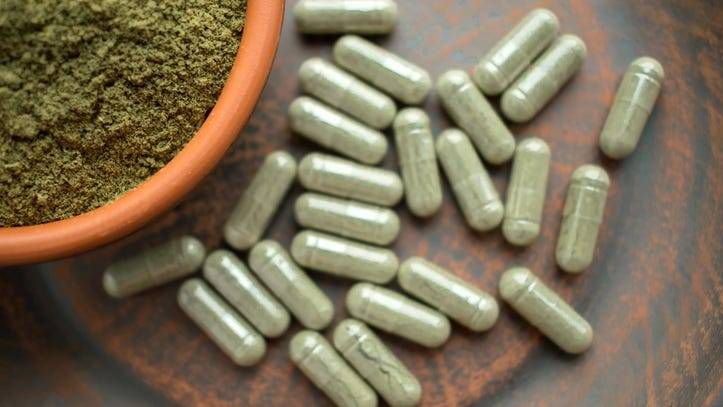
What is kratom? According to the Drug Enforcement Administration, kratom is a tropical tree native to Southeast Asia and consumption of its leaves can have opioid-like effects. Kratom is often sold in pill form, but can also be smoked, or brewed like a tea.
Kratom is currently unregulated and legal to buy in Michigan. While there is no statewide minimum age requirement in effect, some vendors choose to restrict sales to age 18 and up. Kratom has been banned in a handful of U.S. states, and some others have an 18+ law.
At a news conference Wednesday, Hall said it's simply unacceptable that "this dangerous and addictive drug" is widely available to kids at gas stations and party stores.
"And I know some of the lobbyists up in Lansing try to argue 'There's good kratom and there's bad kratom.' That's just a ridiculous argument that just doesn't resonate in our districts," Hall said, standing beside Patti Wheeler, a mom who says her son died after using kratom.
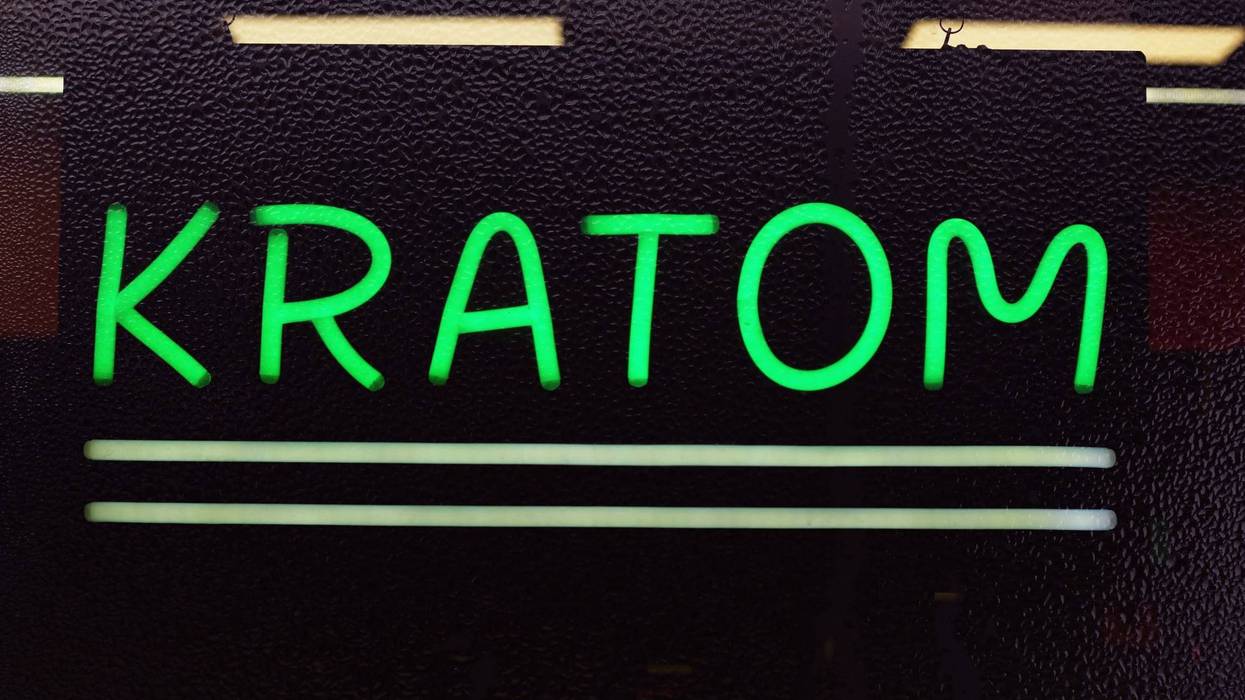
"People all over Michigan, a lot of people — whether they're kids or adults, going in, purchasing kratom. You can get it right on the counter at the liquor store or the gas station... I go to gas stations in Metro Detroit, and they built big signs, big signs...even in Grand Rapids, and they say 'Kratom! Buy your kratom here'."
Asked about arguments that kratom has health benefits, Hall pointed to statements by the U.S. Food and Drug Administration. which hasn't found that to be true.
The FDA has taken a strong stance against the use of kratom, warning consumers that it is not safe or effective for any medical condition and poses significant risks, including addiction, abuse, and death.
As written, HB 5537 amends the state's penal code to prohibit growing, synthesizing, importing, giving away or offering kratom for sale.
Under HB 5537, anyone who violates the ban would face misdemeanor charges: 90 days in jail and/or a fine of up to $5,000 for a first offense. Penalties increase for repeat violations, with the second offense carrying up to 180 days in jail, and fines of up to $10,000.
The bill also includes stricter consequences for cases involving minors. Selling or distributing kratom to someone under age 18 could result in up to one year of jail and a fine up to $10,000, with higher fines for repeat offenses.
As for whether a kratom bill could become law in Michigan, that remains unclear.
While Hall noted that not a single House Democrat voted to pass HB 5537, the issue appears up for discussion.
Asked by WWJ Newsradio 950 why House Democrats did not support Hall's initiative, a spokesperson provided the following statement:
"There is no question of the growing concern around this product, and no one is saying, with this vote or otherwise, that the concern isn't justified. What we are saying is an outright ban, without any testimony or dialogue, is not the solution. Despite yesterday's vote, this conversation will continue.
"There is legislation that deals with product transparency and regulation. It is disappointing, but not surprising, that Matt Hall put politics first by forcing the House to vote on bills that were not ready for passage instead of taking up well-considered legislation. Instead of making a spectacle with fake awards, he should do something that actually benefits the people of Michigan."
Early this year, Clinton Township became the first Michigan community to attempt regulations, publishing an ordinance to prohibit retailers from selling kratom to anyone under the age of 21.