

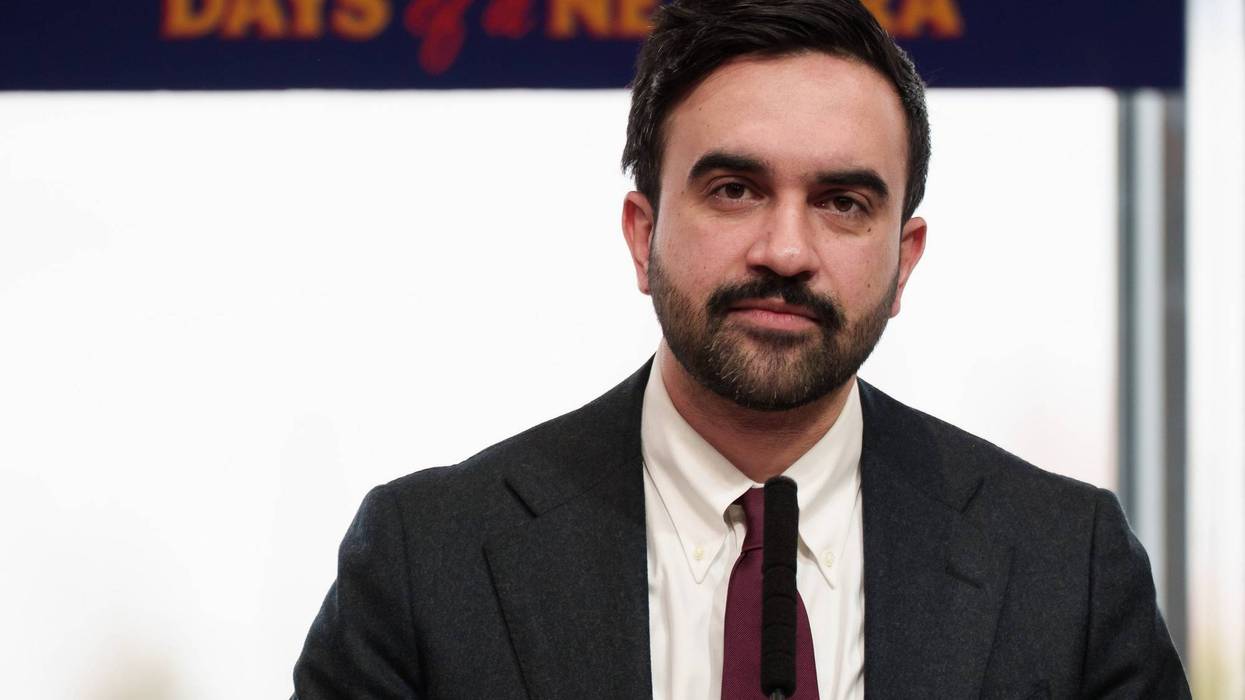

NEW YORK (BLOOMBERG) -- Mayor Zohran Mamdani wants to slash New York state's estate tax exemption threshold by almost 90%, from a more than $7 million limit to $750,000, and raise the top estate tax rate from 16% to 50%.
The proposal was included among nearly a dozen potential revenue-raising ideas Mamdani's office circulated in a memo in recent weeks to state lawmakers negotiating the state budget. Mamdani is facing a $5.4 billion city budget deficit for the fiscal year that begins July 1, and is seeking help from the state legislature in raising money to close the gap.
There's little likelihood the proposed change will be enacted this year. Neither house of the legislature, nor Governor Kathy Hochul's office, included the proposal in their respective budget plans, even though both the Senate and Assembly proposed income and corporate tax increases in budget recommendations they approved this week.
Hochul and the legislature are likely to face increasing pressure to raise taxes to address fiscal shortfalls. New York City faces an estimated deficit of at least $28 billion over the next four fiscal years, according to New York City Comptroller Mark Levine.
The memo was first reported by New York Focus.
The change Mamdani is supporting would be significant. New York is already one of a dozen states that impose separate state-level estate taxes on top of federal estate taxes. If the change were enacted, New York's estate tax exemption threshold would be the lowest in the US.
Most US states don't tax inherited wealth, but among those that do, exemptions vary widely, from Oregon's $1 million to Connecticut at nearly $14 million, according to the Tax Foundation.
Mamdani's support for more onerous levies on the estates of the richest residents is likely to further unsettle wealthy New Yorkers who have recoiled at his progressive policy preferences. The democratic socialist raised alarms when he said, "I don't think that we should have billionaires" in an interview shortly after winning the June 2025 Democratic primary.
But he raised hopes among some city business officials in the months before winning the November general election when he insisted he wasn't wedded to income and corporate tax increases he'd once said were essential to fund his expansive policy agenda. His campaign estimated that agenda, which includes pledges to fund free universal child care for city children aged six weeks to 5 years, free citywide bus service and freezing rents in New York's rent-stabilized apartments, would cost at least $7 billion a year when fully implemented.
Estate taxes can backfire in places where income taxes are also high, according to a 2023 study by economists Enrico Moretti and Daniel Wilson, which analyzed state-level data. The levies can prompt wealthy taxpayers to move away, especially as they get older, removing their income from tax rolls. In states where rates are lower, estate taxes can be more effective in raising revenue, the study found.
"What we're saying is you can either be progressive on income tax or be progressive on adopting an estate tax, but if you do both it's going to backfire," Moretti, a professor at the University of California, Berkeley, said at the time. The richest New York City residents pay some of the highest rates on income in the US, reaching 14.8% for those earning $25 million or more.