



NEW YORK (BLOOMBERG) -- The MetroCard — a blue-and-yellow pass that for more than three decades let riders into New York's vast subway network with a swipe — will be retired on Wednesday, replaced by the already popular tap-and-go payment system.
The MTA introduced the MetroCard in 1994, bringing what was then modern, magnetic-strip technology to turnstiles that had previously allowed passengers to enter by dropping coin-like tokens that dated back to the 1950s. Prior to that, the subway accepted coins, beginning with a nickel when the system first opened at the turn of the 20th century.
"After 32 years, it's time to say goodbye to the MetroCard and go all in on the fare payment system of the future," said MTA Chief Executive Officer Janno Lieber in a March statement announcing the transition. He noted at the time that tap-and-go is already the payment of choice for roughly two-thirds of the system's riders.
Though, the card has a long history and helped transform how New Yorkers used the system. In 1998, the introduction of cards that gave passengers unlimited rides during a week or a month at a fixed rate reshaped commuting patterns by boosting ridership, added flexibility to transfer between boroughs and increased the number of trips. It also became a symbol of the US's largest mass transportation system for locals and tourists alike.
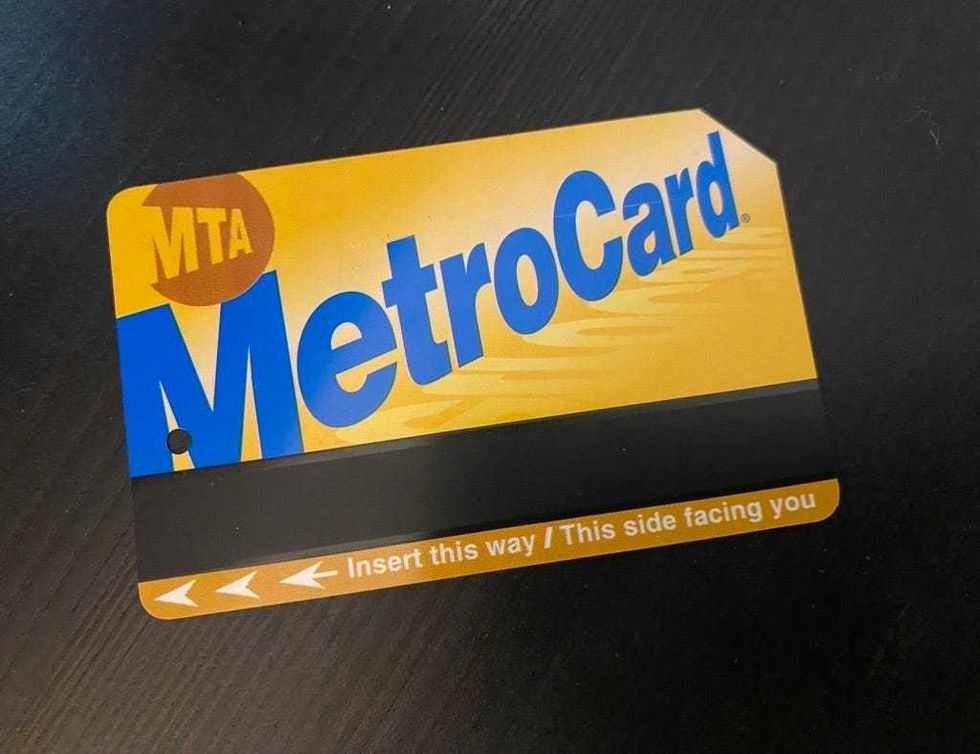 The MetroCard will be retired Wednesday after 31 years.John Connolly/NorthJersey.com/USA Today Network via Imagn Images
The MTA capitalized on the popularity by selling advertising slots, creating novelty cards branded with the photos of New York City landmarks, local businesses and sporting events. Hollywood studios used the space to market television shows, while musicians like Bronx native Ice Spice celebrated album releases and other milestones with commemorative cards shown to millions who used the transit system.
The MTA has made more than 400 limited edition cards over the past three decades. They include a tribute to celebrate what would have been Brooklyn-born rapper, Notorious B.I.G.'s 50th birthday in 2022 and one displaying the iconic "I Love NY" logo after Hurricane Sandy struck the region and flooded subway stations in 2013.
Several of the cards became collectors items. In 2017, the MTA partnered with Supreme — a popular streetwear brand — for branded MetroCards, which were resold on eBay with hefty price tags.
The MetroCard, while designed to be more efficient than tokens, wasn't without its faults. The magnetic strip on the card was notoriously finicky, sometimes requiring several swipes to allow entry. Plus being the size of a credit card, the physical card was easy to misplace.
The MTA expects to save at least $20 million annually by switching completely to the contactless system, which relies on technology similar the tap-to-pay wireless systems consumers already use to buy products and services with their mobile phones and credit cards.
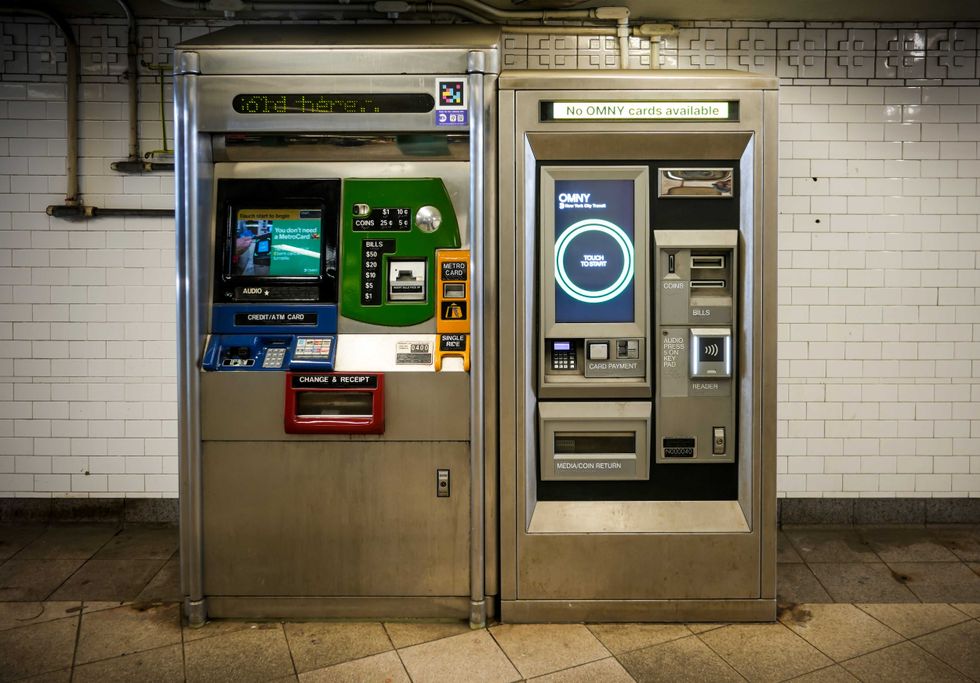 An OMNY Card machine sits next to a soon to be discontinued MetroCard machine in the Union Square subway station earlier this year.Richard B. Levine
The digitization shift is part of the MTA's long-delayed $772 million One Metro New York (OMNY) project to provide riders with a faster and more reliable way to pay.
To catch a ride on the city's subways and buses, passengers will tap their credit or debit card, smartphones, smartwatches or OMNY cards on the reader at the subway turnstiles. The screen will confirm if the tap was successful.
"A lot of these various digital payment systems that arose in the 80s and 90s are looking pretty archaic," said Brian Taylor, professor of urban planning and public policy at the University of California, Los Angeles. "The question is how do you migrate out of these older systems while not losing the accessibility for those that don't have ATM cards or credit cards."
Passengers that prefer to use a physical card or pay with cash have the option to buy an OMNY card for $1 and load fares online, in some retail stores or at vending machines in subway stations.
While passengers won't be able to buy or refill the MetroCard after Wednesday, physical cards will still be accepted into 2026. The MTA encourages passengers to spend down the value of their MetroCards before they expire. Remaining balances on cards will be eligible for transfer or reimbursement two years from the card's expiration.
More stories like this are available on bloomberg.com.