




NEW YORK (BLOOMBERG) -- Alexandra Dye scored a two-bedroom apartment in prime Brooklyn for 60% below market rent. The catch: She had to pay $4,000 just to see the listing.
A year after New York City barred landlords from passing their broker fees on to renters, a new kind of paywall has emerged in one of the nation’s most competitive rental markets. Renters are now paying brokers thousands of dollars simply to learn which apartments are available.
In Dye’s case, the 29-year-old advertising professional had inquired about an apartment on StreetEasy. A broker said the unit was no longer available, but offered to show her other options if she agreed to pay him at least one month’s rent for any apartment she leased through him.
After two months of scam listings and one landlord backing out at the last minute, she decided it was worth it. She ultimately paid the broker more than twice her monthly rent.
“It feels like a lot of listings are being hoarded,” she said. “I miss the transparency of before.”
Before the Fairness in Apartment Rental Expenses Act took effect in June of last year, many New Yorkers ponied up a month’s rent — or more — to brokers hired by landlords. Renters were often frustrated at footing the bill for a service they hadn’t requested and, with online listing sites making apartments easy to find, didn’t need.
Now, whoever hires the broker pays the fee, and many are going without brokers altogether. Since the law took effect, the share of renters paying broker fees has fallen from 31% to 15%, according to Openigloo, a New York City-based rental platform that combines crowdsourced tenant reviews with public records.
But a year in, listings data and interviews with agents, landlords, renters and market analysts suggest the law has also pushed more apartments out of public view, adding pressure to an already expensive public market.
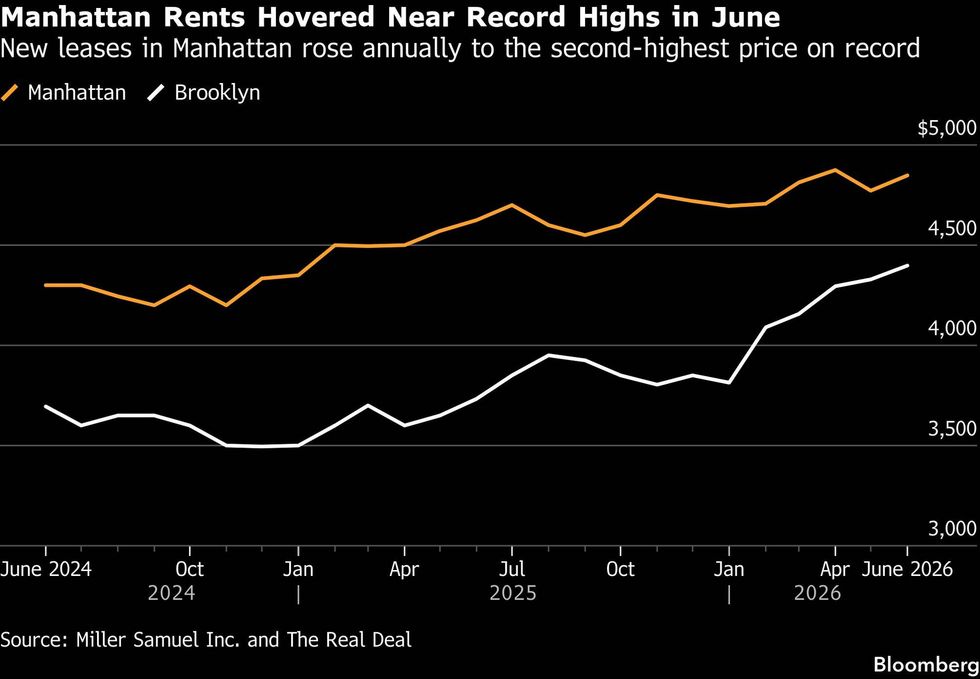
In each month since the FARE Act took effect, apartment inventory has been lower than a year earlier, including a 31% drop in June, the start of New York’s busy rental season, according to appraiser Miller Samuel Inc. and The Real Deal. Inventory typically increases by 5.9% in June from the year prior.
A representative for the city didn’t respond to a request for comment.
Last month, the mayor’s office released a “Rental Ripoff” report detailing its crackdown on illegal broker fees. Under the FARE Act, renters can still choose to hire and pay their own brokers, including for help finding apartments that never reach the public market. But brokers cannot use a specific apartment or identifiable group of apartments as leverage to make a renter hire and pay them. The city considers it an illegal bait-and-switch if a broker lists an apartment for rent, then responds to inquiries by offering only rentals that require one.
“These government policies were meant to make it easier for tenants,” said Compass agent Tali Berzak. “But now a lot of listings have gone into the shadows.”
 Bloomberg
For some landlords, paying a broker fee is a “last resort,” said Chris Athineos, who owns about 100 units in Brooklyn. He has paid one during slower winter months, but this summer is filling most apartments through tenant referrals.
Keeping an apartment off-market can give landlords a chance to fill it without hiring a broker or paying to advertise it online. For brokers, a stockpile of off-market listings can become a selling point, enticing renters to hire them for access to apartments they might not otherwise see.
“It’s a pre-market advantage I can offer to people I work with,” said Peyton Yen, an agent at Charney Brokerage who charges one month’s rent for the service. “I see leasing agents as a luxury service. It’s not cheap.” Of the 15 leases Yen expects to close this summer, roughly half will never appear on a major listing portal.
Some brokers openly advertise those services on social media. Grace Germinder has posted videos of off-market apartments on TikTok to attract renters interested in hiring her to find other units. One video featuring a $6,500-a-month one-bedroom in the Financial District drew 50 inquiries from prospective renters she described as serious.
“If a tenant is open to paying a brokers fee, there’s more listings that are available to them. If not, I’ll only show them listings where the building is paying for it,” Germinder said.
Using social media to advertise off-market listings doesn’t on its own violate the FARE Act. What brokers can’t do is use a specific apartment — or a known pool of apartments — as leverage to make a renter hire and pay them.
The value of getting an early look has grown as New York’s rental market has become more punishing. Rents have climbed to records this summer while publicly available inventory has contracted, fueling fierce competition for the apartments that do get listed.
The divide between the public and private markets is widening, too. Before the FARE Act, publicly listed rent-regulated apartments rented for just 3% more than off-market units, according to Openigloo. Since the law took effect, that premium has grown to 18%.
 Manhattan is seen from Queens. Wirestock via iStock / Getty Images Plus
Public listings are also moving faster and are more likely to rent above the asking price. Apartments that once sat online for an average of 13 days are now being rented in eight, according to RentReboot. In Manhattan, more than a quarter of apartments leased in June after a bidding war, according to Miller Samuel and The Real Deal data.
Sophie Ahn, a recent Columbia graduate who conducted her search primarily using StreetEasy, saw 15 apartments and applied for eight units with competing bids in June alone. She began with a $3,000 budget but ultimately offered $3,200 to beat out another applicant for a one-bedroom on the Upper East Side.
“It’s gotten harder for tenants to find apartments,” said Adam Sebti, co-founder of RentReboot, a platform that alerts renters to available New York apartments. “Listings that do go on the market rent much quicker than before.”
The Department of Consumer and Worker Protection had issued more than 79 summonses for FARE Act violations as of July, levied $36,125 in penalties and returned $15,475 to renters charged unlawful fees.
Experts say Dye’s experience was in violation of the FARE Act. She responded to one publicly advertised apartment, was told it was unavailable, and was then asked to sign an agreement before seeing other units.
Dye still has mixed feelings about her experience. She once resented paying agents thousands of dollars to spend a few minutes opening a door. This time, she believes the broker earned his $4,000 by finding an apartment she otherwise never would have known existed.
“I do think I got an amazing deal,” Dye said. “But I still felt a little taken advantage of.”
More stories like this are available on bloomberg.com.