


NEW YORK (1010 WINS) — The NYPD failed to show up to a City Council oversight hearing Wednesday on the Strategic Response Group, a controversial unit tasked with fighting domestic terror and policing protests.
NYPD Director of Legislative Affairs Michael Clarke sent a letter to the Council claiming a lawsuit against the department for misconduct at protests prevented representatives from testifying.
The Council released a statement condemning the NYPD's decision to skip the hearing and individual council members threatened to use the body's subpoena powers in the future.
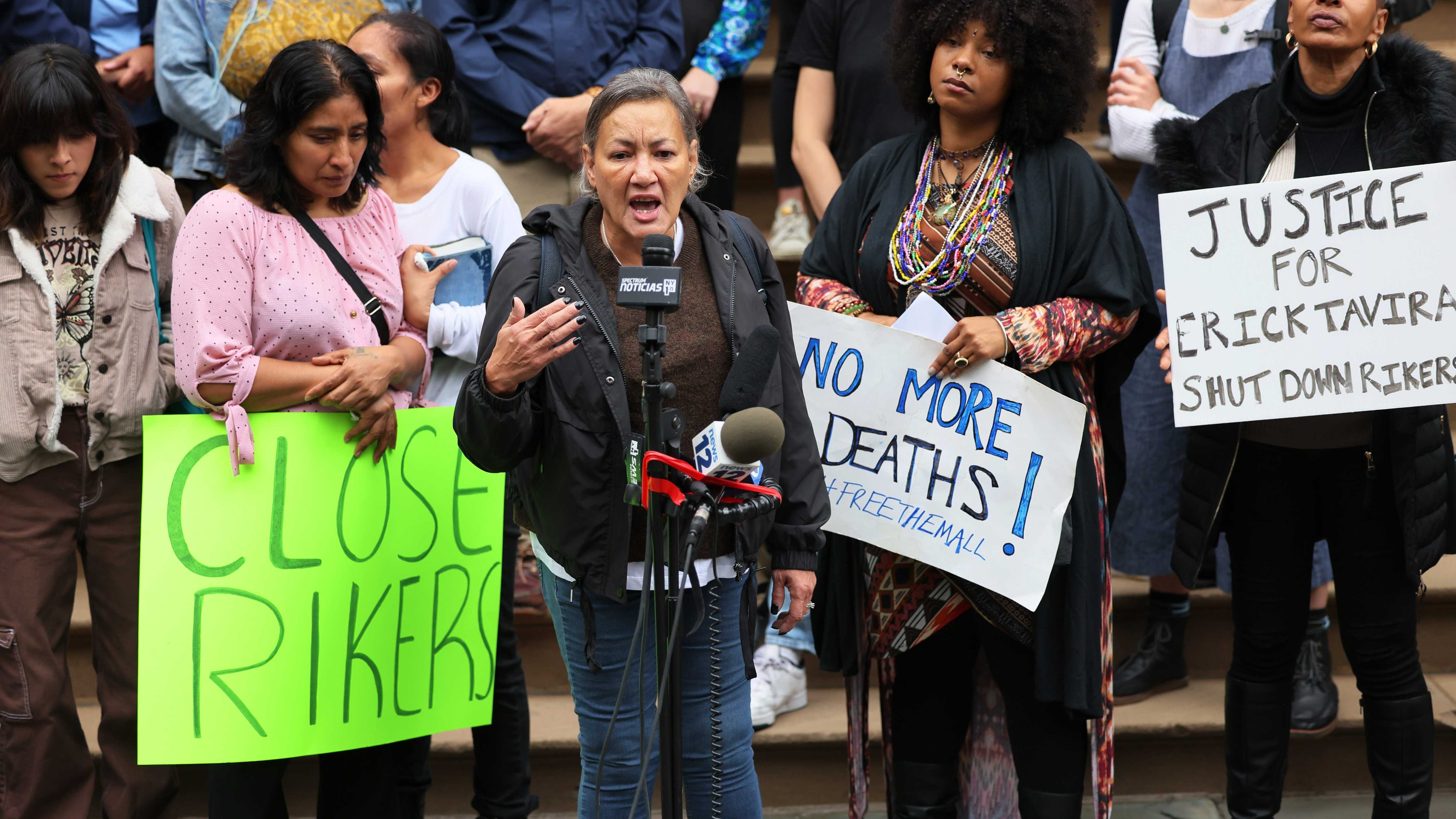
"The NYPD's decision to skip a public hearing about the Strategic Response Group is a disservice to the people of our city and ignores the dozens who shared their experiences of being policed by the unit," said Council Spokesperson Rendy Desamours. "The SRG unit has raised serious concerns from New Yorkers for its policing of Constitutionally-protected activities, and oversight is essential for issues of this significance."
The SRG was announced as a unit responsible for counter-terrorism and policing large events like protests in 2015.
Backlash at using counter terror tactics against constitutionally protected speech like protests led then-Chief of Department James O'Neill to declare the SRG would not police demonstrations.
Before the end of its first year, the SRG was policing protests despite O'Neill's promise and had more than doubled in size, according to Gothamist's history of the unit.
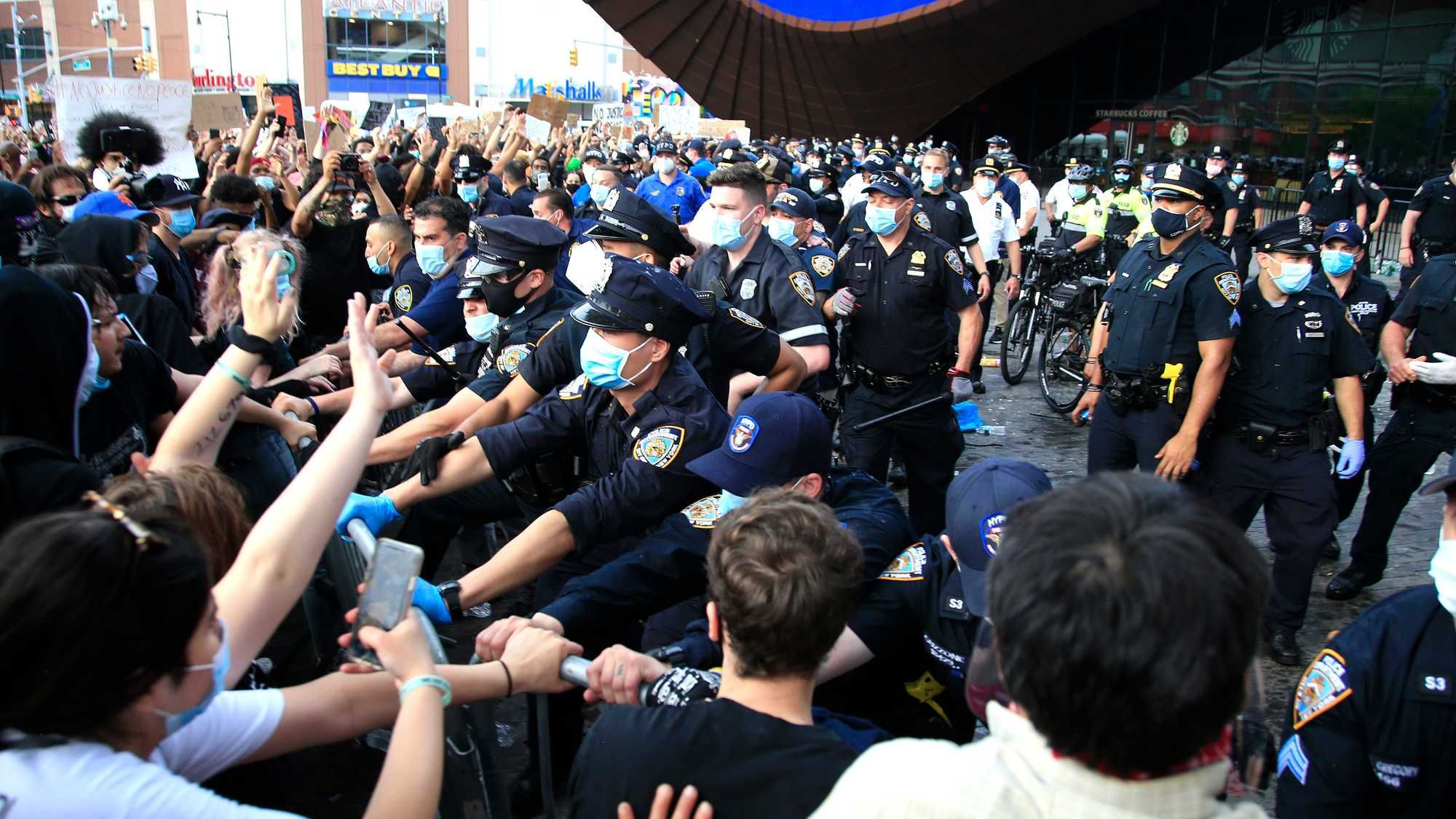
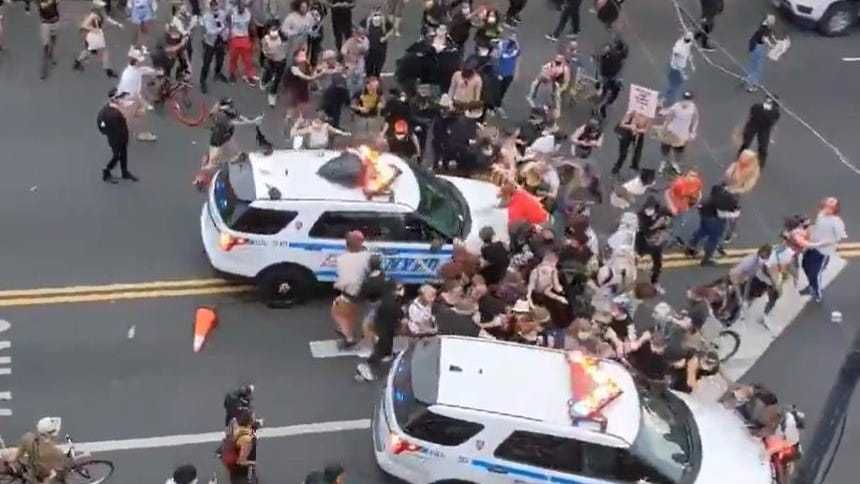
When protests against police violence broke out in 2020 following the murder of George Floyd, SRG officers in riot gear were omnipresent at demonstrations.
The SRG became a flashpoint for battles over police accountability as officers from the unit pepper sprayed, beat, kettled and arrested protesters.
Eric Adams preliminary budget released in January allocated $68 million for the SRG, though budget analysis by the advocacy group Creating Safe and Vibrant Communities for All New Yorkers estimated the cost is closer to $133.7 million per year when taking into account other city resources put toward the group.
The hearing was held a day after the city agreed to a multimillion-dollar class-action settlement with protesters who were beaten after being kettled by police in the Bronx's Mott Haven neighborhood during the 2020 demonstrations.
Kettling is a tactic in which officers corral demonstrators into a closed space, make arrests and then release remaining protesters a few people at a time in different directions in order to prevent them from reconvening.
A report from Human Rights Watch found police, many of whom were SRG officers, beat protesters with batons and pepper sprayed people in the face while they were trapped in the kettle, and that officers acted "unprovoked and without warning."
The city agreed to pay $21,500 to about 300 demonstrators. The payout is expected to cost between $4 million and $6 million.
The NYPD cited ongoing lawsuits surrounding officers' behavior during the 2020 protests as the reason the department couldn't attend Wednesday's hearing. It's unclear whether the department was referring to the Mott Haven incident, which was settled on Tuesday, or other litigation.
When asked about the department's absence, a spokesperson for the NYPD instead described the 2020 protests to 1010 WINS.
"It was a challenging moment for the department as officers who themselves were suffering under the strains of a global pandemic did their utmost to help facilitate people's rights to peaceful expression all while addressing acts of lawlessness including wide-scale rioting, mass chaos, violence and destruction," the spokesperson said.
"Two-and-a-half years after the protests of 2020, much of the NYPD's policies and training for policing large-scale demonstrations have been re-envisioned based on the findings of the department's own, self-initiated analyses and on the recommendations from three outside agencies who carefully investigated that period," the spokesperson continued. "The NYPD remains committed to continually improving its practices in every way possible."
City Councilmember Julie Won threatened to subpoena the NYPD for future hearings.
"It is deplorable that the agency has not shown up," she told the New York Times. "Going forward, we'll have to subpoena the NYPD to make sure that they appear at these hearings."
Won's indignant response was matched by the statement the Council collectively released after the snub.
"Agencies are expected to be transparent with the City's residents through public hearings, and the message sent by NYPD leadership today is that the department does not need to be accountable to the everyday New Yorkers they swore to protect and serve," said the spokesperson. "This lack of commitment to public transparency and accountability cannot continue, and it's a shame that the department's leadership not only undermined its relationship with the Council but all New Yorkers by choosing to not show up."