


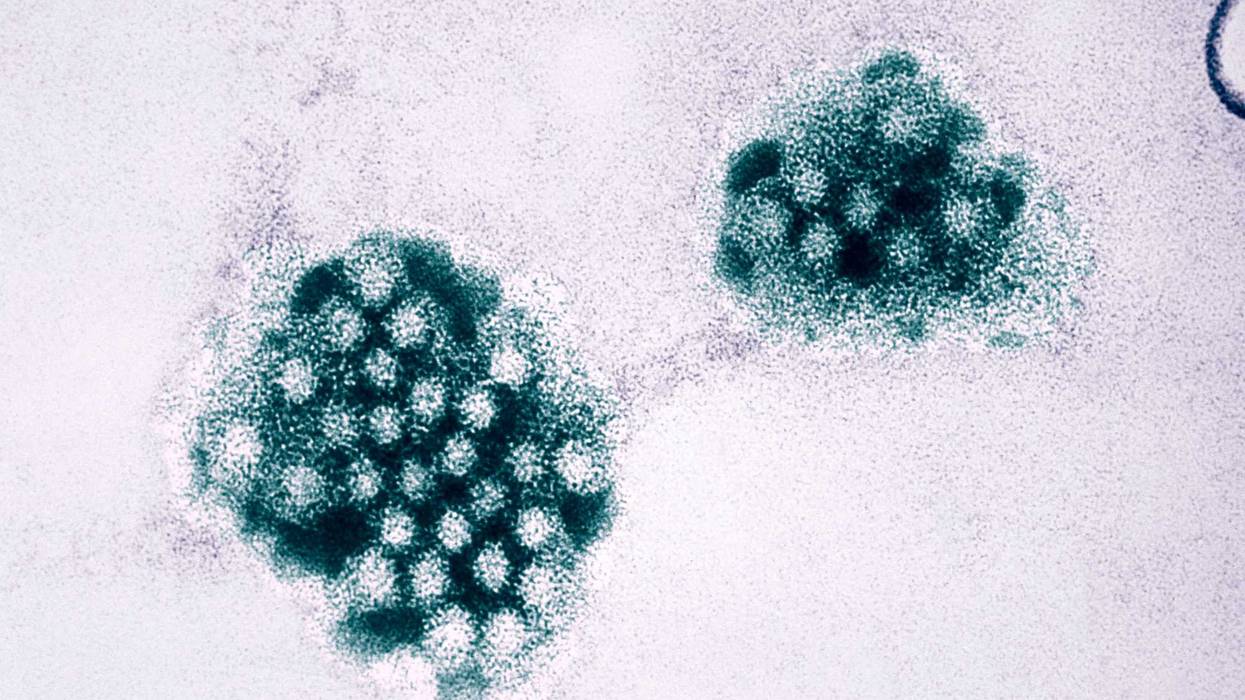

NEW YORK (1010 WINS/WCBS 880) – The Northeast region of the U.S. currently has the highest positivity rates for norovirus, a stomach virus that can linger for up to three days, according to the CDC.
With an average positivity rate of over 15% in the last three weeks, the Northeast leads in cases of the stomach virus, known for causing vomiting and diarrhea, according to CDC data.
In comparison, the Southern region has a positivity rate of around 10%, the Midwest at 9%, and the Western region at 12%. Norovirus outbreaks are more frequent in the U.S. during the colder months, from late fall to early spring, though the timing can vary across different regions and even within the same area.
Norovirus, according to the CDC, is the leading cause of acute gastroenteritis, which leads to inflammation of the stomach or intestines. Symptoms typically include diarrhea, vomiting, nausea, and stomach pain, with some people also experiencing fever, headaches, and body aches.
Symptoms usually appear 12 to 48 hours after exposure to the virus, and most individuals recover within 1 to 3 days. However, they can continue to spread the virus for several days after recovery.
Severe cases of norovirus can lead to dehydration, particularly in vulnerable groups such as young children, the elderly, and those with other health conditions. Signs of dehydration include decreased urination, dry mouth and throat, and dizziness upon standing.
The norovirus results in nearly 20 million cases annually in the U.S., leading to approximately 900 deaths, 109,000 hospitalizations, and 465,000 emergency room visits, 2,270,000 outpatient clinic visits annually, mostly in young children, according to the CDC.