



NEW YORK (BLOOMBERG) -- New Jersey Transit, the much-maligned rail system linking the state with New York City, emerged as a surprise winner in this year’s FIFA World Cup. But it came at a significant cost.
The rail network carried more than 185,000 soccer fans without any major delays or service meltdowns, bucking fears that the miseries so often suffered by New Jersey commuters would draw worldwide scorn. The service covered eight separate matches at MetLife Stadium, including the final in which Spain beat Argentina for its second World Cup championship.
The success came down to a mixture of luck, heavy spending and planning across multiple government agencies. Summer heat waves, which can cause delays, mostly abated during match days, while the agency poured an estimated $31.5 million into its service plan. That sum almost certainly outpaced revenue from ticket sales, although final figures have yet to be released.
“Our team understood the magnitude of the challenge, embraced it, and delivered,” Kris Kolluri, NJ Transit’s chief executive officer, said in a statement. “We proved that NJ Transit can rise to the occasion when the stakes are highest and the world’s attention is focused on New Jersey.”
Before the first match at MetLife on June 13, longtime observers and NJ Transit customers doubted the system’s ability to get tens of thousands of fans to the stadium on time. Even Kolluri was skeptical after two separate fire incidents on Amtrak’s infrastructure on different days in May suspended service in and out of Penn Station.
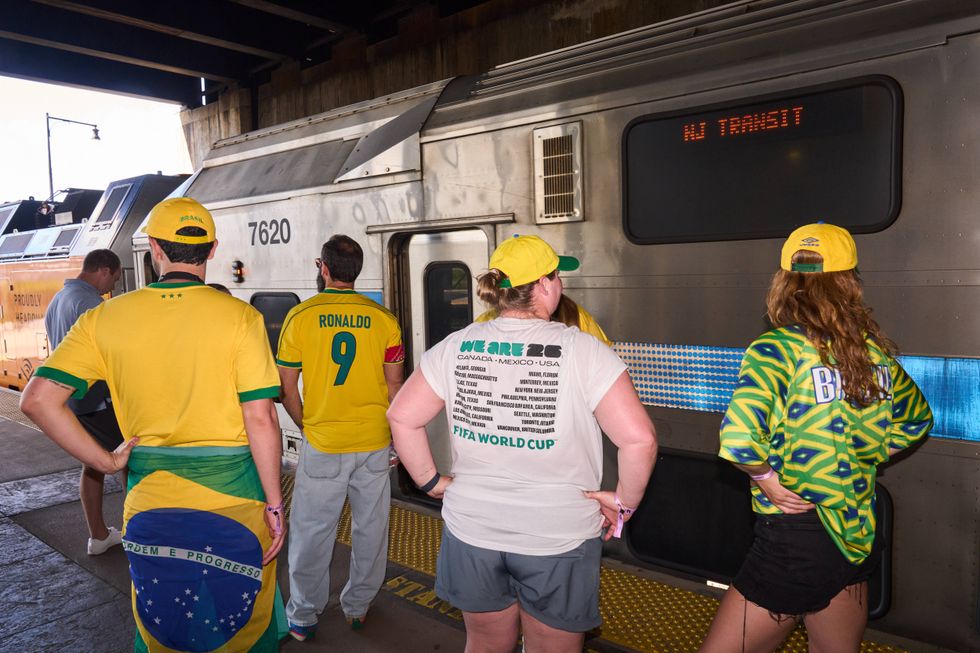 Fans traveling to the June 13 World Cup match between Brazil and Morocco at MetLife Stadium transfer New Jersey Transit trains at Secaucus Junction.Bing Guan/Bloomberg
As a backup plan, he commissioned two 600-seat ferries that would take World Cup spectators back across the Hudson River to Manhattan if the trains couldn’t run. The agency also had buses on standby near Penn Station as part of its contingency plan.
There were some near misses. On three different match days, NJ Transit was still able to provide reliable World Cup service even as the system dealt with ongoing switch failures, signal issues, rail buckling and problems with overhead wires because of extreme weather, according to a New Jersey interagency report released Wednesday.
“These challenges resulted in delays to normal rail operations; however, NJTransit’s proactive planning and coordinated response with Amtrak enabled the seamless deployment of supplemental bus services and the strategic pre-positioning of maintenance personnel and equipment,” the report said.
NJ Transit spent three years preparing for the World Cup with Amtrak, which owns much of the infrastructure that the agency uses between New Jersey and Manhattan. Amtrak chipped in $30 million to replace rails and improve wires and switches. It also had additional mechanical and engineering workers on site and on trains during match days to help repair any infrastructure problems.
“We had the right mitigations in place,” Gery Williams, Amtrak’s chief operations officer, said in an interview. “Had the heat been there, we would’ve still been fine” on match days.
Amtrak ridership increased during the tournament. From the start of June, almost 2.2 million passengers rode Amtrak to and from New York’s Penn Station, or near Penn Station, Williams said, citing preliminary numbers. That’s about 9% more than the same period last year.
Costly Affair
Officials at NJ Transit first estimated that World Cup expenses would total $48 million, but then cut that down to $31.5 million after securing corporate sponsorships and federal grants.
They hoped to make up for the added expense by raising prices for a roundtrip ticket to MetLife on game days. Initially priced at $150 each, the agency reduced the cost to $98 after backlash. The ride typically costs about $13.
NJ Transit originally expected to carry 40,000 World Cup fans to each game, but the anticipated ridership dropped once New York officials provided additional funding to increase the number of $20 roundtrip bus shuttles between Manhattan and MetLife. That offered about 8,000 additional bus seats to some games.
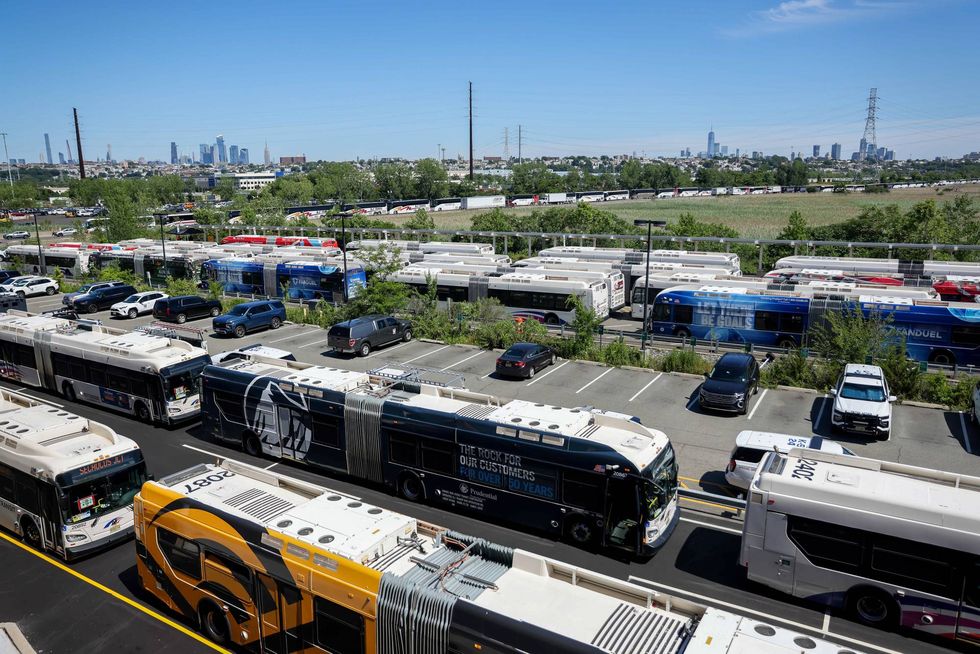 New Jersey Transit buses and charter buses during the match between France and Senegal on June 16.Michael Nagle/Bloomberg
In addition, while officials anticipated about 6,000 spectators would take an Uber or similar rideshare services to get to the stadium, that projection turned out to be low. Rideshare users surpassed that estimate for each game, increasing to 16,200 for the final match, according to the interagency report.
Based on the 185,000 passengers that NJ Transit took to the matches, the agency collected approximately $18.1 million of World Cup farebox revenue. That’s less than NJ Transit spent on its service plan for the tournament, although the rail carrier has yet to finalize the total expenses and revenue collections.
Regular NJ Transit riders also paid a price. There was no service from New York’s Penn Station to New Jersey for about four hours before matches because NJ Transit was only running trains to MetLife. This occurred as the agency implemented a 3% fare hike on July 1 to help fill budget gaps.
Still, the overall success during the World Cup shows how better and more reliable service is possible if the different agencies, the states and the federal government come together to make that happen, said Alex Ambrose, a senior policy analyst focusing on transportation and climate issues at New Jersey Policy Perspective, a think thank that seeks to advance economic, social and racial justice.
“We need not just the financial investment, but we need the political will,” Ambrose said. “And that is one thing that we had with the FIFA matches. There was political will to get the best transportation available. If we can transfer that for everyday folks, we could have an amazing transit system.”
One sign of progress: NJ Transit’s performance, adjusting for Amtrak-related problems, improved in June. The system had an on-time performance rate of almost 92%, higher than the same month in 2025, according to agency data.
More stories like this are available on bloomberg.com.