


JUNEAU, Alaska (AP) — The Trump administration's push to expand oil and gas development in Alaska faces a new test Friday, with the latest lease sale set for the Arctic National Wildlife Refuge.
Opponents of drilling in the refuge's coastal plain have pointed to a lack of industry interest in the prior two sales held there and ongoing changes in Alaska’s arctic region due to climate change as proof the region should be off-limits to drilling. But supporters of drilling see the coastal plain, which is roughly the size of Delaware, as a potential untapped resource that could boost U.S. oil production and generate new revenue and jobs.
A coalition of conservation groups this spring sent a letter to leaders of 11 petroleum companies including major ConocoPhillips and Hilcorp, both major players in Alaska, urging them to not participate in the sale. The letter cited ongoing litigation over the leasing program, dating to President Donald Trump's first term, and warned of “financial, operational and reputational risks.”
The letters, signed by groups including The Wilderness Society, Sierra Club and Earthjustice, called the refuge a crown jewel in the country's public lands system and said there is strong support for protecting it, “making any action there especially visible and consequential.”
A spokesperson for ConocoPhillips Alaska, Megan Olson, said the company doesn't discuss its lease sale plans. A Hilcorp spokesperson did not respond to a request for comment.
The Trump administration has taken a keen interest in Alaska, and his tax and spending bill passed by Congress last year included provisions mandating lease sales in three regions of the state. In addition to the refuge's coastal plain, leases have also been offered in the National Petroleum Reserve-Alaska and in Cook Inlet, an aging basin that's provided natural gas for Alaska's most populous region for decades.
There were no takers in the Cook Inlet auction in March. But there were hundreds of bids, including from major oil companies, for what was the first sale since 2019 in the National Petroleum Reserve-Alaska — despite pending litigation challenging the leasing program. The Trump administration has moved to open more lands to drilling in the reserve and roll back protections there. The petroleum reserve is where ConocoPhillips Alaska is developing the large Willow oil project.
On Alaska's vast, petroleum-rich North Slope, the major oil fields of Prudhoe Bay and Kuparuk lie between the National Petroleum Reserve-Alaska and the Arctic National Wildlife Refuge.
A state corporation, the Alaska Industrial Development and Export Authority, currently holds leases in the refuge but there is no active drilling. The U.S. Geological Survey has estimated that the coastal plain could contain 4.25 billion to 11.8 billion barrels of recoverable oil, but there is limited information about the amount and quality of oil.
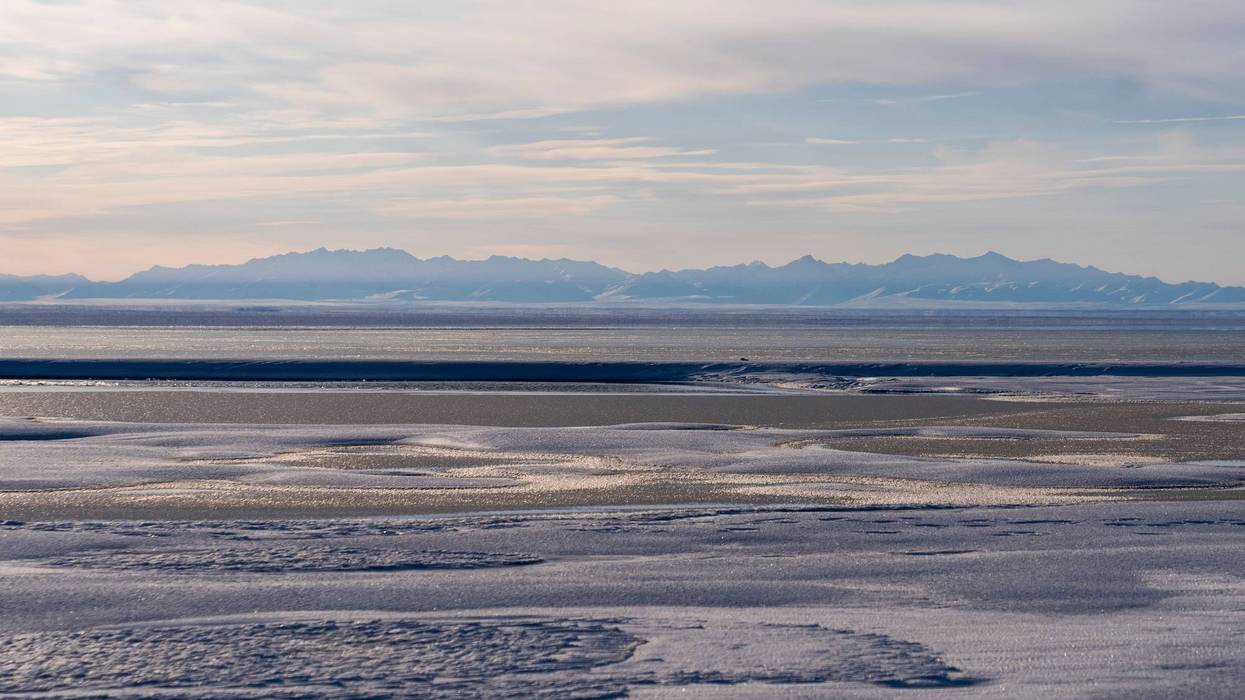
The coastal plain, bordering the Beaufort Sea in northeast Alaska, features rolling hills and tundra and provides habitat for wildlife including musk oxen and migratory birds. It is considered sacred by the Gwich'in, because the caribou herd they rely upon calve there. Leaders from Gwich’in villages near the refuge have vowed to continue fighting to prevent drilling there.
But some Alaska Native communities have embraced development and see it as essential to the regional economy.
Nagruk Harcharek, president and CEO of Voice of the Arctic Iñupiat, an advocacy group whose members include leaders from Alaska Native communities on the North Slope, said there’s a long history of balancing development with culturally important practices, such as subsistence hunting. Responsible development is a key part of self-determination, particularly for residents in Kaktovik, the only community within the refuge, who support drilling, he said.
Kaktovik residents hunt and fish on the coastal plain and “will be a big part of whatever project moves forward in making sure that all of those resources are protected and that their people are taken care of," he said.