


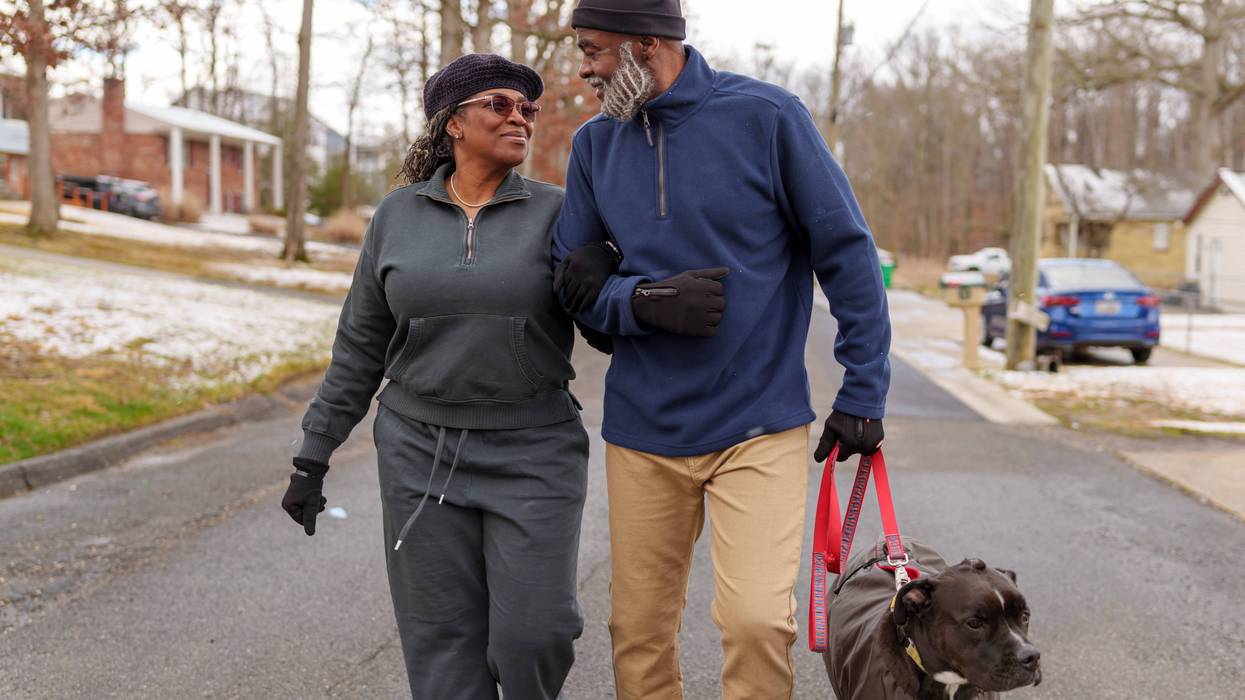

Ever notice how your knees start complaining the minute the temperature drops? Or how your fingers feel stiff when you're scraping ice off the windshield? You're not imagining it. Cold weather can make joints feel achy and tight, and winter has a way of turning even simple movements into a chorus of creaks.
So why does this happen? When temperatures fall, blood flow to your extremities slows down, and muscles tighten to conserve heat. That combo can make joints less flexible and more sensitive to pressure changes. Add in less outdoor activity and more time curled up on the couch, and you've got the perfect recipe for stiffness.
The good news? Our friends at Virtua Health are here to share a few ways to keep your joints happy when the weather outside is frightful.
1. Stay Warm
Cold temperatures cause blood vessels to constrict, reducing circulation to your hands, knees, and other joints. This makes tissues less elastic and more prone to stiffness. Keeping your body warm helps maintain blood flow and flexibility. Layer up when you head outside, use heated blankets indoors, and consider warm baths to relax muscles and improve circulation. Even small changes like wearing thermal socks can make a big difference in joint comfort.
2. Keep Moving
When it's cold, we tend to hibernate, but inactivity is one of the biggest culprits behind joint pain. Movement stimulates synovial fluid, the natural lubricant inside your joints, which reduces friction and stiffness. Low-impact exercises like walking, swimming, or yoga keep muscles strong and joints mobile without adding stress. Aim for at least 20 minutes a day, even gentle stretching counts. Think of it as oiling the hinges before they squeak.
3. Hydrate
Winter air is dry, and we often drink less water because we don't feel as thirsty. But dehydration can reduce the cushioning effect of cartilage and synovial fluid, making joints feel sore. Staying hydrated helps maintain elasticity in connective tissues and supports overall joint health. A good rule of thumb: if your lips are dry, your joints might be too. Keep a water bottle handy and sip throughout the day.
4. Stretch It Out
Cold muscles are tight muscles, and tight muscles pull on joints, causing discomfort. Stretching improves circulation, warms up tissues, and increases flexibility. Focus on dynamic stretches before activity and gentle static stretches afterward. Even five minutes of stretching in the morning can help prevent stiffness all day. Bonus: stretching also reduces the risk of injury when you do venture outside for winter fun.
5. Listen to Your Body
Persistent pain, swelling, or limited range of motion can signal something more serious than seasonal stiffness. Conditions like arthritis often flare in cold weather, and ignoring symptoms can lead to long-term damage. If discomfort doesn't improve with warmth, movement, and hydration, it's time to consult a professional for personalized care.
Find Relief This Winter
Sometimes joint pain needs more than a warm blanket and a good stretch. Virtua Reconstructive Orthopedics includes a network of over 120 providers – including a diver roster of orthopedic specialists, sub-specialists, advanced practice providers, and surgeons, offering complete care for a full range of orthopedic conditions.
Follow Philly's B101
X | INSTAGRAM | FACEBOOK | TIKTOK | THREADS
Follow Virtua Health
X | FACEBOOK | INSTAGRAM