

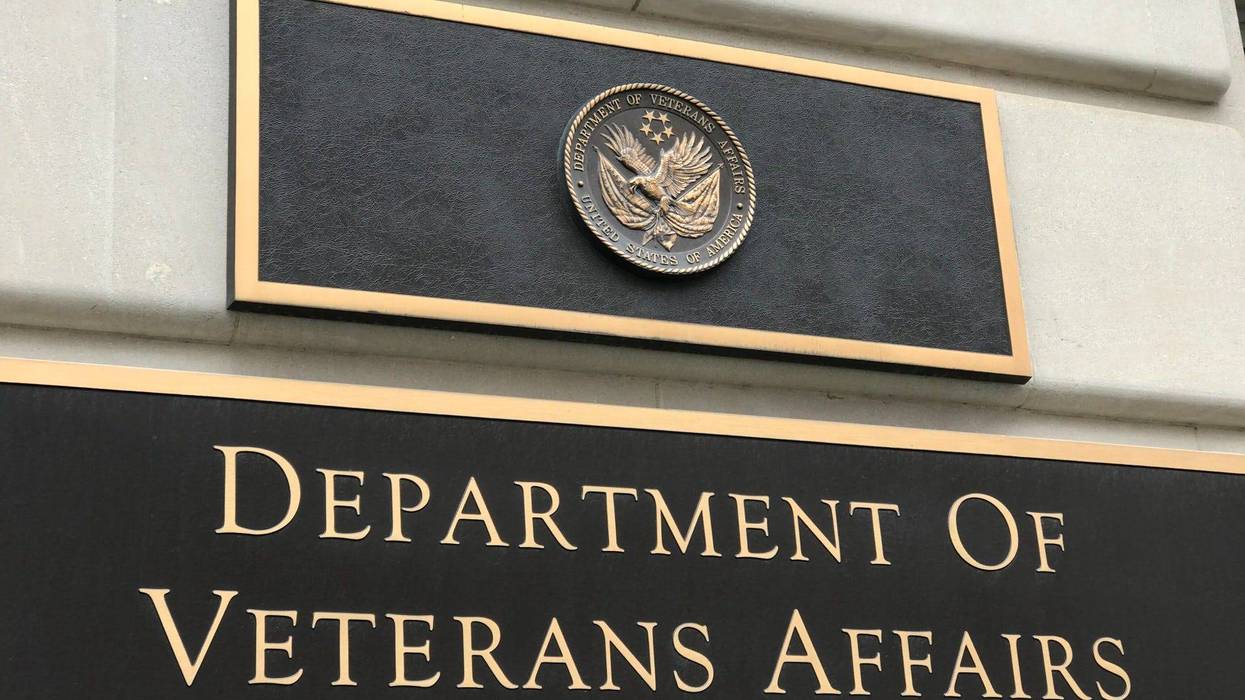

DAV and the Veterans of Foreign Wars have released their co-authored fiscal year 2027 budget recommendations for the Department of Veterans Affairs.
The Veterans Independent Budget (VIB) includes funding recommendations from health care to information technology to veterans’ benefits and beyond, the VSOs said in a release.
“The Veterans Independent Budget is an indispensable report that Congress and decision-makers in Washington reference every year to help guide decisions on VA programs and services,” said VFW Washington Office Executive Director Ryan Gallucci. “Since 2007, when my time in veterans' advocacy began, I have seen this product consistently evolve and nearly always hit the mark in identifying trends, opportunities, and shortcomings in VA programming.”
DAV and the VFW propose itemized recommendations based on documented and justified needs as well as projected usage of VA benefits and services, inflation, a one percent federal pay raise, policy changes and program expansions resulting in a needs-based budget that truly serves veterans, their families, caregivers and survivors.
"Our nation has a solemn duty to honor its commitment to America's veterans by ensuring timely access to the high-quality health care and benefits they have earned and deserve,” said DAV Washington Headquarters Executive Director Jim Marszalek. "We call on VA and Congress to fully fund all veterans benefits and services, particularly critical unmet needs, such as long-term care, dental care, breakthrough drugs and therapies, and urgent and emergency care services."
VHA anticipates providing about 162 million outpatient visits to veterans in FY 2027, a record number that does not capture actual and suppressed demand for care. To fully meet veterans’ projected health care needs, the VIB calls for approximately $191.5 billion in total resources for the VHA, representing an increase of about $22.1 billion, or 13 percent, over FY 2026. This proposal reflects heightened workloads on VHA staff and resources from more unique veteran users who increasingly seek and rely on VA for their care.
DAV and the VFW also recommend maintaining the enhanced AI-enabled capacity that VA implemented between 2023 and 2024 while appropriating additional funding to meet the demands of increasing claims for all VA benefits, the federal pay raise, rising inflation and new policy demands, such as enhanced collaboration between the VA and the Department of War.
DAV and the VFW also recommend a total VBA budget allocation of roughly $6.2 billion in total resources, which represents an increase of approximately $940 million, or 18%, over the FY 2026 enacted budget.
The VIB also urges serious, sustained investment in VA’s infrastructure, which includes more than 6,250 buildings. It recommends $3.6 billion for major construction and $5.1 billion for minor construction in FY 2027 to modernize facilities, expand care capacity and address critical deficiencies.
The VIB also calls for at least $600 million to reduce the backlog in State Veterans Home construction grants and $75 million for State Cemetery Construction to preserve burial access nationwide.
"Unfortunately, the Department of Veterans Affairs does not currently have the internal capacity to meet the rising demand for VA health care due to a decades-long failure to adequately fund infrastructure, technology and staffing,” said Marszalek. "The Veterans Independent Budget offers thoughtful recommendations to guarantee that the VA receives the full funding it requires to prevent future budget shortfalls, which would jeopardize veterans' care and place a financial strain on the benefits many depend on to make ends meet."
The two VSOs will present the VIB to both House and Senate Veterans’ Affairs Committee staff during scheduled briefings this month.
“We look forward to sharing our insights with VA leaders and Capitol Hill to ensure VA has the resources it needs to serve an ever-changing veteran population,” added Gallucci.
Reach Julia LeDoux at Julia@connectingvets.com.