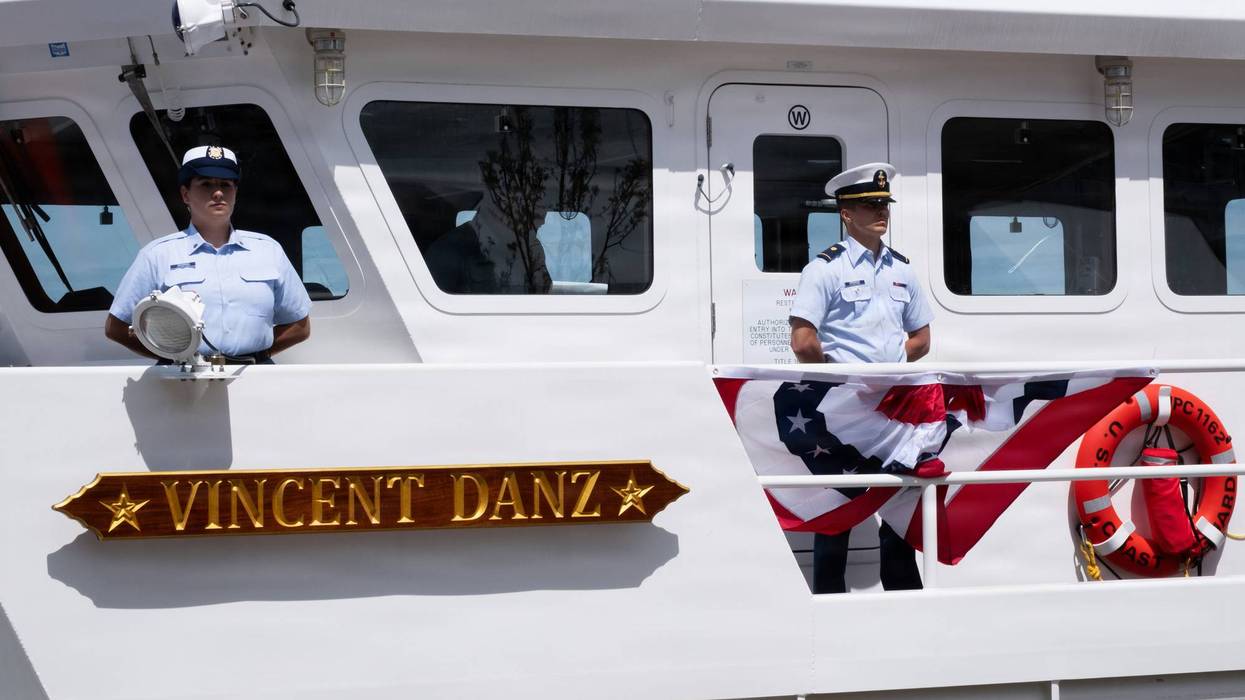



Retired Coast Guard Lt. Commander Jessica Snyder is on a mission to bring visibility to an often-overlooked group: Female veterans living with Parkinson’s disease.
“I’m no longer on the path of being a starred admiral, but I’ve found a different avenue to be of service,” she said.
Snyder began experiencing symptoms of Parkinson’s disease in 2013, just a year after returning from a combat tour in the Middle East. She received an official diagnosis of young-onset Parkinson’s disease six years later, at just 39 years old.
Most people with Parkinson’s develop symptoms at 50 years of age or older, according to the Parkinson’s Foundation. One million people in the United States live with the disease today.
“I was so young,” she said. “I had some weird issues I could’t really place,”
Those “weird issues” included bladder incontinence, sleep behavior and blood pressure problems.
“I went from getting a little light-headed after doing 25 burpees to bending over to tie my shoes and feeling like I was going to pass out.”
At the time, military doctors chalked it up to Snyder’s entering middle age, being a woman, and anxiety and stress.
“I was going through fertility treatment, so combine that with the hormones, I thought they were probably right,” she said.
Snyder’s diagnosis came just before she transferred from a desk job in Washington, D.C. where she was in charge of 3,400 people’s careers and helping them find a pathway in life to an operational job where she would led a 145-person unit that could deploy anywhere in the world within 72 hours.
“I honestly didn’t know a lot about Parkinson’s disease at the time,” she said. “My grandfather had Parkinson’s disease. He was diagnosed in his late 50s.”
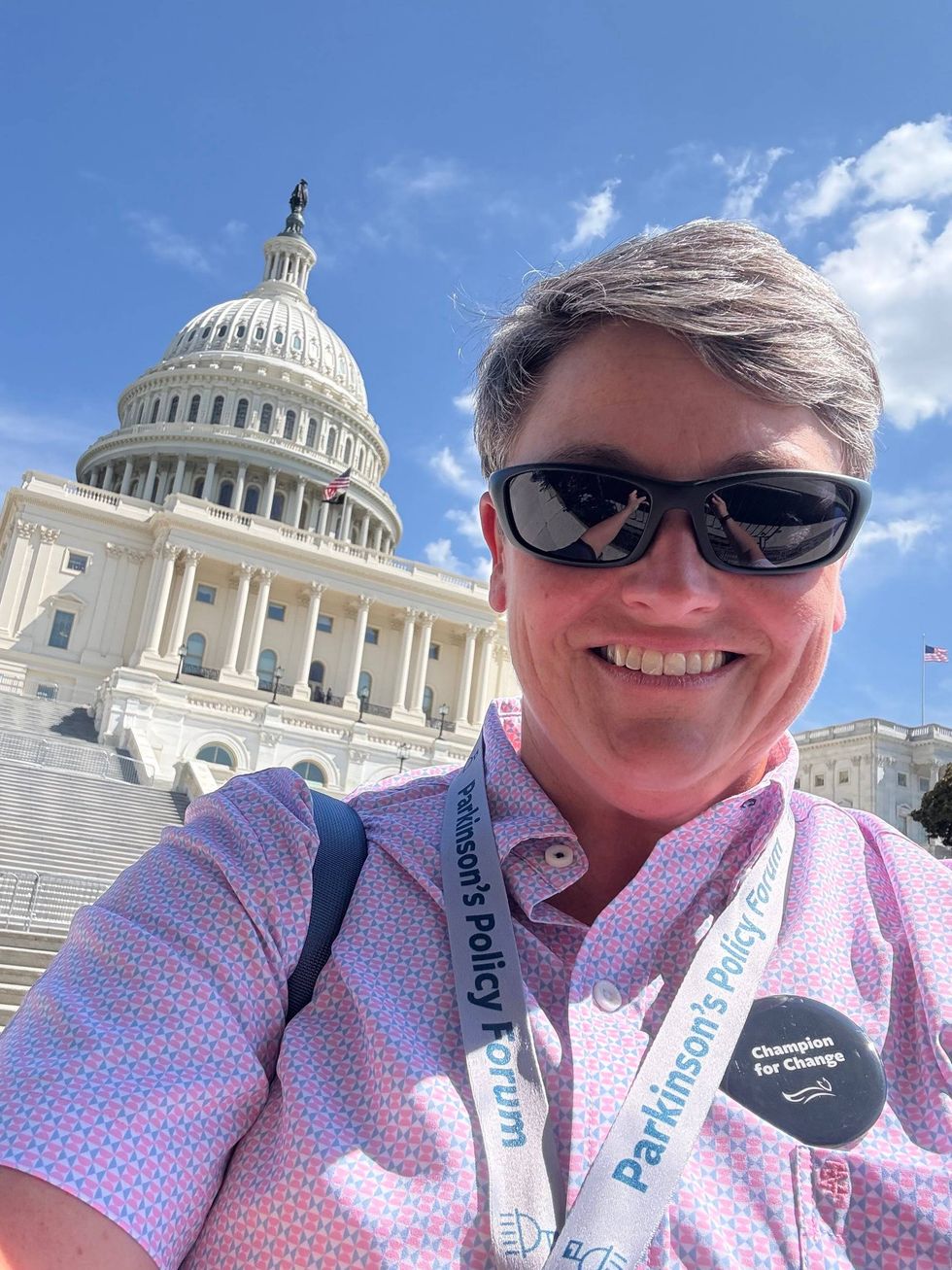 Retired Coast Guard Lt. Commander Jessica Snyder attended the recent Parkinson's Policy Forum in Washington, DC.Courtesy photo
Snyder jumped in headfirst after her diagnosis, seeking out support groups, resources and community to better understand Parkinson’s and how to live well with it.
“I was searching all the different things. Women with Parkinson’s. Young people with Parkinson's. Military with Parkinson's,” she said. “That’s when the Parkinson’s Foundation first popped up.”
But Snyder quickly noticed that many Parkinson's resources didn’t reflect people like her – they featured older white men, not young female veterans.
”I just wasn’t finding a lot of information that looked like me or pertained to me at the time,” she said.
But Snyder discovered she was not alone. More than 110,000 veterans with Parkinson’s disease receive care through the. Department of Veterans Affairs. Since 2020, the Parkinson’s Foundation and VA have formally partnered to improve the health, well-being, and quality of life for veterans living with Parkinson’s.
Snyder sought out support groups at the VA and through the Parkinson’s Foundation, which is now her community. Driven by a sense of mentorship, Snyder now volunteers her time mentoring newly diagnosed veterans and women navigating the VA system, helping them find guidance and connection.
“Mentorship drives me,” she siad.
While the exact cause of the disease is unknown, research suggests that its cause can be linked to genetic and environmental factors. For some veterans, developing Parkinson’s disease can be associated with exposure to Agent Orange or other herbicides during military service. Veterans with Parkinson’s who were exposed to certain herbicides during their service may be eligible for VA disability compensation and health care.
The Parkinson’s Foundation also has a toll-free Helpline at 1-800-4PD-INFO. In the last year alone, more than 2,600 Helpline cases concerned veterans.
Reach Julia LeDoux at Julia@connectingvets.com.