


San Francisco employees plan to work in an office half as much as they did before the COVID-19 pandemic, and more than their counterparts in other major U.S. cities, according to a recent nationwide survey conducted by a trio of economists.
For more, stream KCBS Radio now.
Between January and March, the Survey on Working Arrangements and Attitudes (SWAA) polled 7,787 American workers who made at least $10,000 in 2019. The San Francisco employees surveyed said they planned to reduce their time in the office by a nation-leading 53.3%
No other metropolitan statistical area's workers planned to cut back in-person work by more than 50%, with New York (49.1%) and Los Angeles (47%) finishing second and fifth, respectively.
Stanford University economics professor Nicholas Bloom, who conducted the survey alongside Instituto Tecnológico Autónomo de México assistant finance professor Jose Maria Barrero and applied economist Steven Davis, first presented the findings last week in a conference at the Federal Reserve Bank of New York, according to Bloomberg.
Bloom also shared his slide deck in a tweet on Saturday.
The survey data comes shortly after San Francisco Mayor London Breed and businesses leaders across the city pushed for employees to return to offices last month, as part of a "Welcome Back to SF" pledge Breed formulated alongside the San Francisco Chamber of Commerce. Google, for instance, on Monday began requiring most employees – in San Francisco, Mountain View and elsewhere – to work in person three days a week.
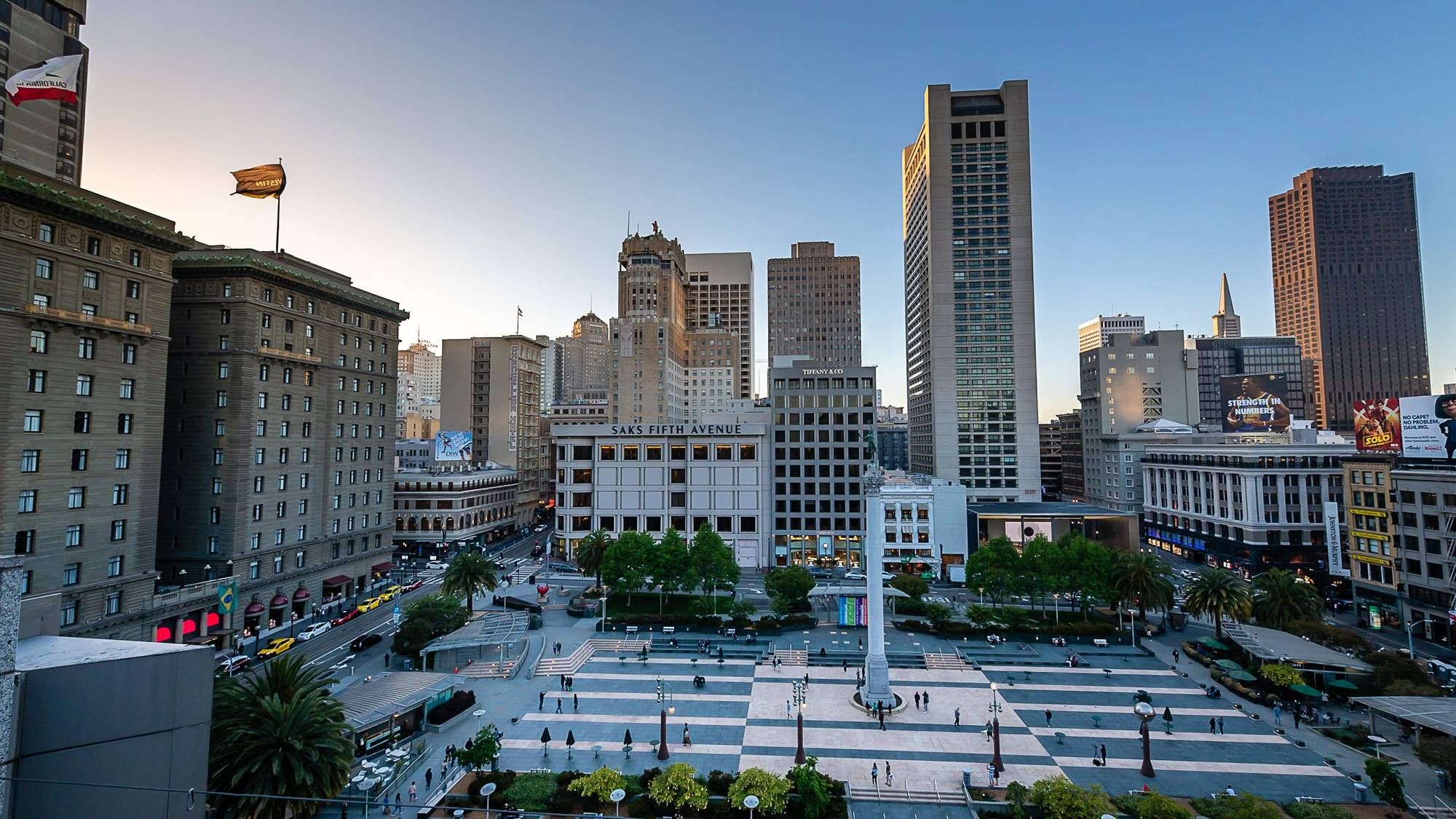
Breed's office said in a release last month that the Financial District, East Cut, Union Square, Yerba Buena, Civic Center and Mission Bay neighborhoods, which comprise the city's "office core," had not experienced the same economic recovery as others in the city amid the pandemic. San Francisco respondents whom Barrero, Bloom and Davis surveyed between July 2020 and January 2021 reduced their spending by $5,293 per year from pre-pandemic levels.
LISTEN to KCBS Radio
FAVORITE KCBS Radio
Facebook | Twitter | Instagram