


Omicron is already causing concern worldwide as more cases crop up and countries begin to consider following travel restrictions again.
With the new variant, the mutations show it might be able to circumvent some of the antibodies created by the current vaccine, and many are unsure how well immunity will hold up against it.
"It's important to take a step back and think about what these vaccines do broadly when thinking about what this variant might mean for us moving forward," said Rishi Goel, a research fellow with the Center for Immunology at the University of Pennsylvania on KCBS Radio’s Ask an Expert on Monday with Holly Quan and Matt Bigler.
"Vaccine-induced immunity is a multi-layered defense," said Goel. But the main defenders are the antibodies, he said.
"We're still waiting to see how much of a dent that antibody immunity takes with this variant," he said. Researchers will need to conduct a wide array of experiments, such as taking blood from vaccinated people and testing it against omicron.
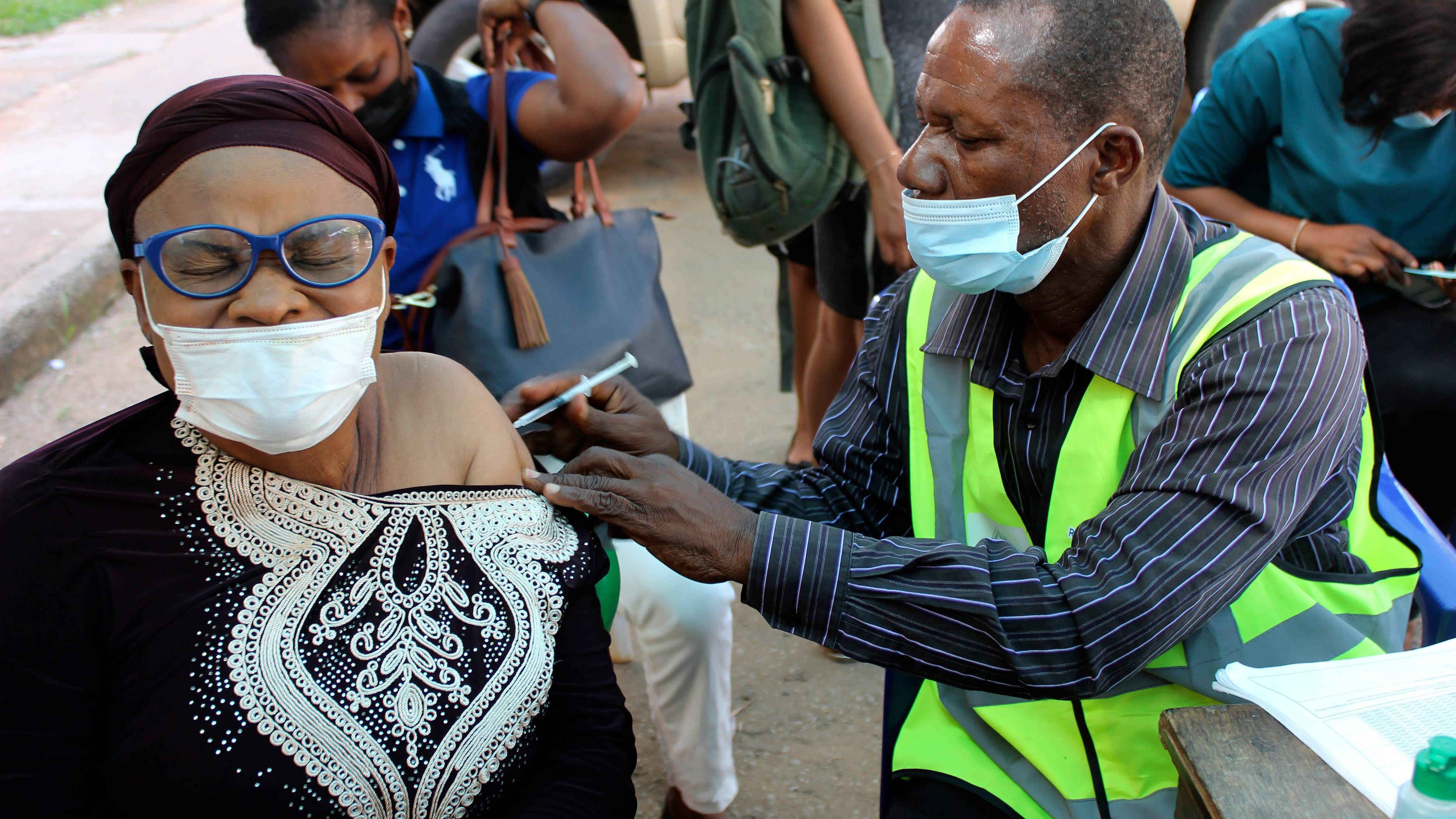
But even if the virus is able to get through the people’s defense systems, the vaccine does prevent the more serious symptoms the illness can cause.
It’s still unclear just how contagious it is, still too early to tell. "The jury is still out," he said. We won't know more for at least a couple more weeks.
Boosters can help as well, by both boosting the existing amount of antibodies present in people’s bodies and by also adding new antibodies as well.
Boosting is important as delta is still the most prevalent variant in the United States, despite the onset of omicron, he said.
But it’s important to remember that, "we're not back to square one in this pandemic," said Goel. The new variant isn't going to undo all of the progress that has been made with the vaccines and with treatments.
Now that winter is here and more people are inside, people can help mitigate the spread of omicron by masking, getting tested regularly, and other safety protocols.