


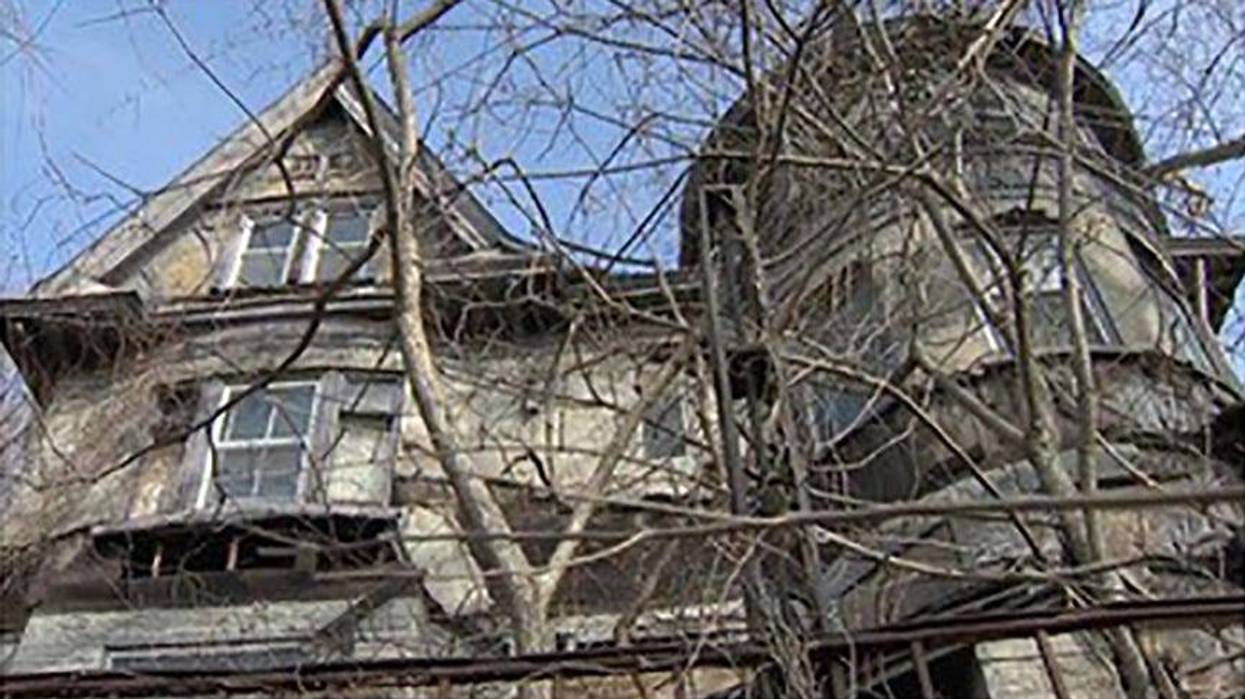

As a kid, I had friends that lived on Apple Street in Homewood. I would visit, spend the night at their homes, and we would play all day, until the street lights came on outside. Often, we played right in front of this house. There was no historical marker out front back then. It was just a house, in fact, I don't even recall if anyone lived there or not.
Imagine my surprise years later to find out Lena Horne once sang here.
Duke Ellington once performed here, along with Billy Strayhorn, Cab Calloway and countless others.
You can almost look at what's left of the structure left on Apple Street and hear music fill the air.
Imagine standing on the sidewalk, 50 years ago…and you hear the Duke, playing inside.
That vision is what makes what's happened to this now shell of a home so sad. This abandoned building, which has been designated an Historic Landmark, was the birthplace of Mary Caldwell Dawson's National Negro Opera company. The first of its type, created in 1941 to provide opportunities for people of color who were denied the chance to perform the traditional operas, like "Carmen" or "Aida" .
Inside those walls, Dawson taught children of color to sing, to perform, and she gave them a sense of pride.
Woogie Harris owned the house back then. He was a big numbers man in the city of Pittsburgh and the brother of Teenie "One Shot" Harris, a local photographer who captured everything that happened in Black Pittsburgh, including many of the surprise performers that would stop by the Apple Street location. But Dawson wasn't just focused on Pittsburgh.
She took performers and choirs across the country, showing the world Negroes too could sing classically, and get standing ovations where ever they preformed. Eventually the Opera company found a new home in Washington, DC…but the house on Apple Street remained - although now quiet.
Over the years, its had several owners, eventually falling into disrepair. Black Pittsburgh knew the stories about what happened here and would pass them from generation to generation. But even the stories couldn't hold the building together.
Interest in preserving the building and the legacy of Mary Caldwell Dawson began to grow in the 1990's but who would take on project, who had the money, time and commitment?
The historical society put a marker indicating this was the birthplace of the country's first Negro Opera Company - but like the house itself, the marker too fell on hard times. In fact, it is under restoration right now.
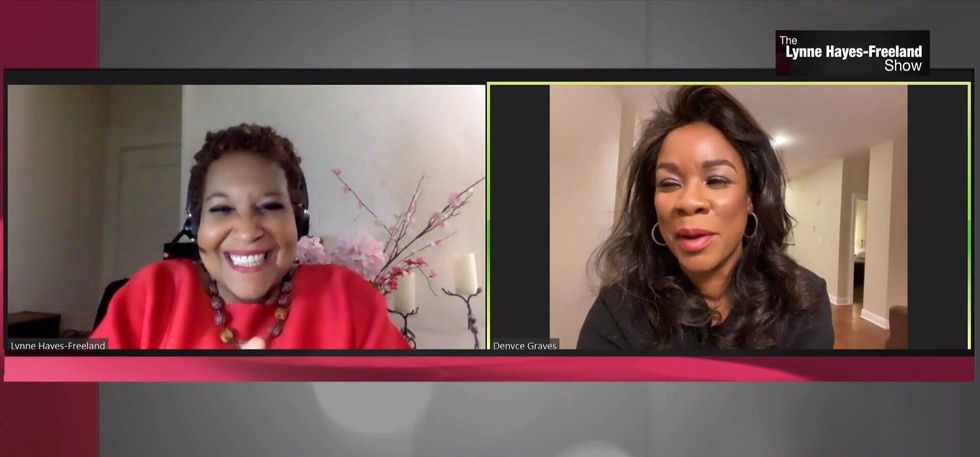 Lynne Hayes-Freeland and Denyce Graves
Enter Mezzo-soprano Denyce Graves. She learned bits and pieces about Caldwell Dawson while she was in Pittsburgh working on a project with the Pittsburgh Opera. A few years later she was contacted about possibly portraying the founder of the country's first Negro Opera company in an on stage production, still in the works. She remembered the name, Mary Caldwell Dawson.
Now, in 2021 Graves has been leading the drumbeat to restore the house to its original beauty, to shine new attention on the gift that still has the possibility of giving to generations to come.
Graves sees the Apple Street location as the future home of music classes, performances, research and a gathering space in the community, but its going to take a lot of funding to make it happen. The Pittsburgh Foundation recently announced a $500,000 commitment to help secure the building for the renovation work that lies ahead.
Denyce Graves has committed to use her foundation help gain wider recognition for the cause. You can find more information about the effort at the denycegravesfoundation.org and you can hear from from Graves herself at kdka.com/lhfshow .
If I was going to have a cheerleader it would be Denyce Graves. Thank you for helping our city.


