


DAVE MURRAY’S EXCLUSIVE SUMMER FORECAST FOR ST. LOUIS...2026---JUNE, JULY AND AUGUST:.
Lots going on this Spring…a wild temperature ride-cold to chilly at times…The Blackberry Winter right on time for May…hot at times, moisture… from dry to wet, some storms but not a super season...not the active season we had last season. It was Spring…getting off to an early start and then smoothing out a little bit…overall I think most would agree…pretty nice…for STL..
The key to the Summer season...the shift from La Nina to a neutral ocean temperature pattern in the Pacific…and now El Nino is developing and taking hold. El Nino’s happen about every 5 years and the Pacific ocean water temps are a little warm to start with…I’m sure you have heard the terms being tossed out there…”It's a Super El Nino or Monster El Nino”. Why does the media, especially social media, have to put big and many times false labels on every weather event. Really, almost every event. I just don’t have an answer.
The term Super El Nino was started in the late 1990’s…when we did have a strong El Nino with some wild weather in North America…since then every El Nino has been labeled a Super El Nino…and of course, not all can be “Super”. Will this be a little stronger than the average bear…especially with temps in the ocean waters being on the warm side already. But not going to hear “Super” here. It takes a lot to get me there..
This pattern will take us through the Summer and Fall but questions about Winter right now…there are signs this may be a quick surge and then calm down…that’s a watcher at this point..
Lets broad brush here…some general ideas about an El Nino:.
A summer/fall El Niño brings warmer ocean temperatures, often reducing Atlantic hurricane activity through increased wind shear while boosting Pacific storm activity. It typically shifts weather patterns to increase heat, humidity, and summer storm risks in the U.S.
- Atlantic Hurricanes: Increased vertical wind shear generally suppresses Atlantic hurricane formation, often resulting in a lower number of storms.
- Pacific Hurricanes/Typhoons: Conversely, warmer waters in the central/eastern Pacific fuel more intense tropical cyclone activity.
- U.S. Weather Patterns:
- Summer: Hotter and more humid conditions across the South. Elevated wildfire risks and drought can affect the Southwest.
- These are general ideas…not my forecast.
- The analogs...looking back at past weather and then moving forward to compare what's going on in our atmosphere now… The analogs may be the most important thing in my long range forecast…focusing on 1997, 2015, and 2023…especially 2015.
- The solar cycle… it is still strong…but the solar max is starting to calm down…but it may come roaring back.
- World wide volcanoes… Not just the activity but the locations...critical in a long range forecast...action has slowed slightly…only slightly…this is a big factor in the Winter season.
- The ocean patterns...just not the Pacific but all around the world.
- Over the last 2 decades there appears to be more and more of a correlation between the solar cycle and an El Nino or La Nina. What does all this mean for us…it means we sit back and watch the development… never lump these things into a generic pattern…there are no two solar cycles and no two El Nino or La Nina that are exactly the same… I never try to lump possible weather into one pile…just can’t do that…you should not do that either
There are a number of other features that I look at when it comes to the atmosphere and the oceans...without getting into too much detail...here are some of the items..
- The MJO... While the MJO is a lesser-known phenomenon, it can have dramatic impacts in the mid-latitudes. Several times a year the MJO is a strong contributor to various extreme events in the United States.
- The eastern pacific oscillation (EPO)
- The Arctic oscillation (AO)
- The shift to all El Nino.
- A warm-positive (PDO) pacific decadal oscillation…many times related to an El Nino pattern…maybe more of a feature for Winter than Summer…but it is in place.
- A trend to negative (AMO) Atlantic multidecadal oscillation.
- The jet stream settles into its typical quiet Summer flow...along the U.S. Canadian border…but thinking a little more active this Summer from coast to coast.
JUNE:.
June Facts:
June 1st…sunrise: 5:38…sunset: 8:20
June 30th...sunrise: 5:40…sunset: 8:29
Average high and low: 85.9/67.2…Records: 108(2012)/43(1969)
Average rainfall: 4.49”
Average snowfall: 0.0”.
June Dates:
The Full Moon…June 29–the strawberry moon
Father’s Day…June 21
Summer Begins…June 21.
The major factors:.
*** It seems to be the pattern this year…the bounce around temperatures…and that will continue for the month of June.
*** We will have some great temps…but also expect some very warm to hot temperatures and even a few chilly days will be possible…no temperature pattern gets locked in…the bounce.
*** We will be on the edge of a hot and dry pattern over the southwest and Texas…this area will be important to watch as we go through the Summer season.
*** So it is a little bit of a battle between this bubble of heat and the rather persistent northwest flow that has not wanted to give up this Spring and that will continue for June.
*** Temperatures…by the end of the month, with the bounce around pattern, should average out to be about average to slightly above.
*** June is also a month when thunderstorms typically really rock and roll...in my book it is the wettest month of the year...mainly due to thunderstorms
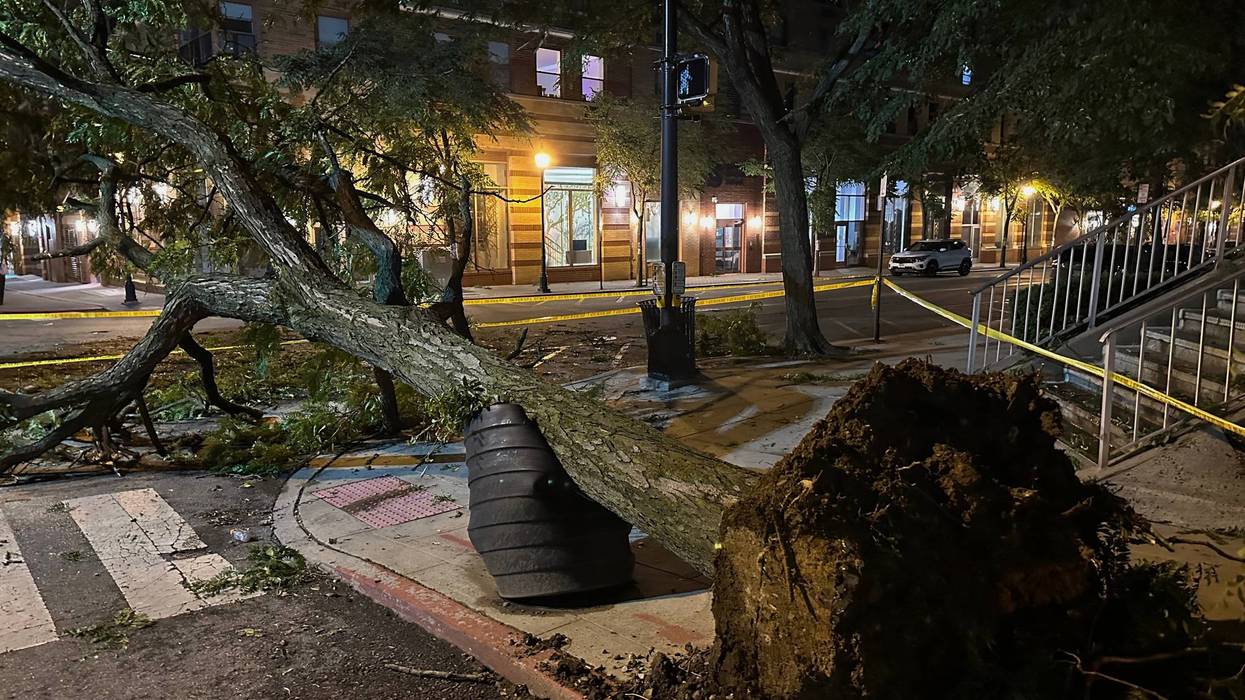
*** June storms will be active…in fact rather active…let’s think 4 to 6 strong to severe weather events.
*** All-day rains never happen in June.*** I think rainfall for the month will be above to well above average…no drought to be concerned about this June.
*** Flooding…I don’t see large river problems…but with the active thunderstorm pattern…flash flooding will be a major concern…small streams and creeks… up and down very quickly..Things to look for in June:.
***watch for birds carrying food to their young.***check evergreens for bagworms***the cattail blooms are covered with pollen
JULY:
.July Facts:
July 1st…sunrise: 5:40…sunset: 8:29
July 31st...sunrise: 6:02…sunset: 8:13
Average high and low: 89.6/71.1…Records: 115(1954)/51(19601972)
Average rainfall: 3.93”
Average snowfall: 0.0”.
July Dates:
The Full Moon…July 29–the Buck moon
Independence Day…July 4
*** July is typically the core of Summer heat and humidity for the STL area…but my thinking this July…not so fast my friend.
*** It will be a battle between intense surges from the southwest…a hot…at times very hot and bone dry flow and the Summer break from the northwest flow.
*** The key…the southwest flow and heat does not take solid control…In fact I’m thinking attacks will be rather limited…the northwest flow having the bulk of the weather muscle…but there will be a battle in these air masses.
*** Yes there will be hot and humid weather…after all it is July…can’t get away from that…but the northwest flow will keep this July from becoming a true Summer beast.
*** As a result…temperatures, when looking at the entire month, will be about average for the middle of Summer…not too hot that we can’t handle it.
*** Yes…I think it will be the hottest month of the Summer…but in the acceptable range.
*** The northwest flow will tend to keep the thunderstorm pattern alive and well.
*** This active thunderstorm pattern (no all day rains) will keep our rainfall…above to well above average…no drought concerns in July.
*** The number of thunderstorm events will be above average…thinking in the 3 to 4 event range.
*** Thunderstorms will bring the risk of flash flooding…but the big rivers should be okay..
Things to look for in July:.
***the song bird songs have now subsided...the birds are busy raising their young
***long-tailed weasels breed through August
***watch for hummingbirds bringing their young to feeders...
AUGUST:.
August Facts:August 1st…sunrise: 6:33…sunset: 7:54
August 31st...sunrise: 6:48…sunset: 7:23
Average high and low: 88.3/69.3…Records: 110(1934)/47(1986)
Average rainfall: 3.50”Average snowfall: 0.0”.
The Full Moon…August 28–the sturgeon moon.
The major factors:.
*** The bouncy temperatures will continue in August and overall this is looking like a very bearable Summer month for temperatures.
*** The intense Summer heat to the south and especially southwest will remain locked in place as a rare northwest flow…rare for Summer…will make a few August visits
*** No records…high or low…will be in play.
*** Temperatures when we add up all the numbers will be below…maybe well below average for an August…but have to watch that southwest heat.
*** Rainfall...August is typically a very dry month...never really want to fight that idea…but drought is not a concern for this August…like the bulk of the Summer months.
*** The storm track remains active…and with the northwest flow still in play…it will send a few cool fronts our way…Summer cool fronts.
*** Also thinking with the El Nino building…the hurricane season will get off to an early start…maybe a very early start…so we keep an eye on the central and western Gulf of America…if we get a slow moving system lift out of the Gulf and roll our way…rainfall has the potential to be well above average..
Things to look for in August:.
***look for large flocks of purple martins gathering for fall migration…also hummingbirds start to head south too.
***late summer molt produces drab colors in robins and other birds...they are not sick
***wild cherries and wild grapes begin to ripen..
In the Summer forecast, I also like to look at the Hurricane season in the Atlantic and Gulf of Mexico…the key this season…will be the building El Nino weather pattern resulting from warmer waters in the Pacific.
Let's review…El Nino conditions typically knock down the number of storms. El Nino creates more shear…tropical storms and hurricanes don’t like that…so with the El Nino in a building stage…that's a big time player.
La Nina creates more hurricanes due to weaker vertical wind shear and trade winds and less atmospheric stability. In the Pacific…fewer hurricanes due to stronger vertical wind shear..
So thinking this hurricane season in the Atlantic and the Gulf will not be a strong season…an early start, yes, but the overall numbers will be below average. Any impacts will also be below average…but any landfall is a major concern with the growth along the coastlines..
Major hurricanes thinking 1 maybe 2 this season…remember the season runs through November with the peak being September..
In contrast…the Pacific…the entire Pacific… will pick up the hurricane slack. The Pacific has been quiet the last 2 to 3 years…that will change dramatically this hurricane season. Rock and roll time in the Pacific. Hawaii needs to be on careful watch and even the Southern California coastline. The west coast of Mexico could be very active..
Enjoy the Summer season...we all know Summer will fly by...before we know it summer vacations are over, the pools close and it is back to school...STL has a lot to offer...get out there and enjoy...but be safe and smart.
My Fall forecast will be out in late August…
He says June is a month when thunderstorms really rock and roll
He says June is a month when thunderstorms really rock and roll