

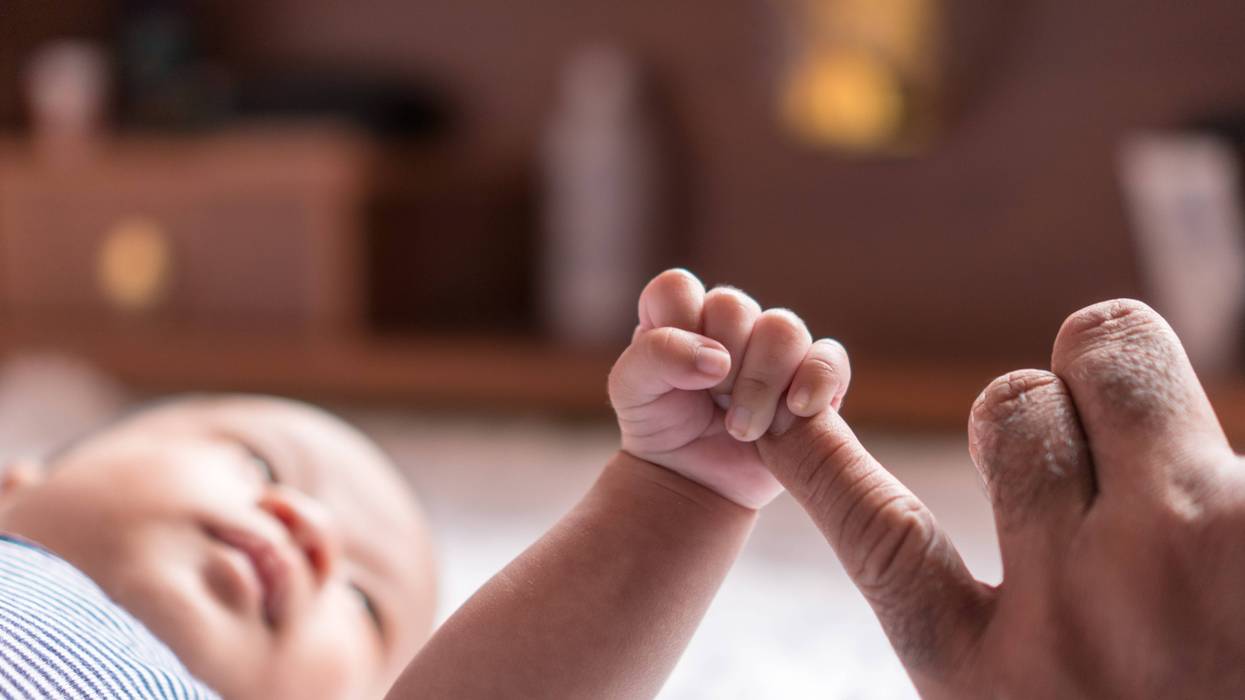

77% of workers — or 116 million people — in the U.S. lack access to paid family leave through their jobs. On the 30th anniversary of the passage of the Paid Family Medical Leave Act, one nonprofit is calling for more workplaces to pay their employees while they're away.
Jessica Mason, a senior policy analyst at the National Partnership for Women and Families, tells KMOX that it's a big issue, because almost every single person in the U.S. is going to need time away from their job.
"Whether it's to welcome a child. to deal with their own serious health issue or to care for a family member who's sick or disabled or going through surgery," she said. "And yet, three out of four workers in this country do not have paid family leave at their jobs. And that creates this spiral of health issues and economic disasters that we urgently need to address."
Mason pointed out how difficult it can be to miss a paycheck. In Illinois, she said, missing just four weeks of income during unpaid leave adds up to nearly $3,600 for a middle-income person. And, she added, that doesn't account for money being spent on medical bills and other expenses for a new baby.
"And so they're struggling to deal with their regular bills, with maybe extra expenses and the stress of not being able to do it all in the midst of a major caregiving issue," she said. "So this is not just an issue for individuals, right? It's an issue that sort of spirals out and has ripple effects all across our economy and across our businesses."
Mason's organization works to organize and mobilize civil rights organizations, women's groups, labor organizations and more to push for more expansive paid leave policies at the state and national level.
She added that the United States is behind on providing women and families with paid leave. Countries like France provide 16 weeks off with 90% of pay; India offers 26 weeks off with 100% of pay; Norway provides 13 weeks off with 94% pay. The U.S. has no legal requirement to pay parents on leave after having children.
"If women in the United States participated in the labor force at the same rate as women in countries with paid leave, we would have $650 billion more in our GDP every year. That would also mean more people in the workforce," Mason said.
Hear more from Jessica Mason on KMOX:
Copyright 2023 KMOX (Audacy). All Rights Reserved.
Follow KMOX | Facebook | Twitter | Instagram
Listen on the free Audacy app.
Tell your smart speaker to play K M O X.