


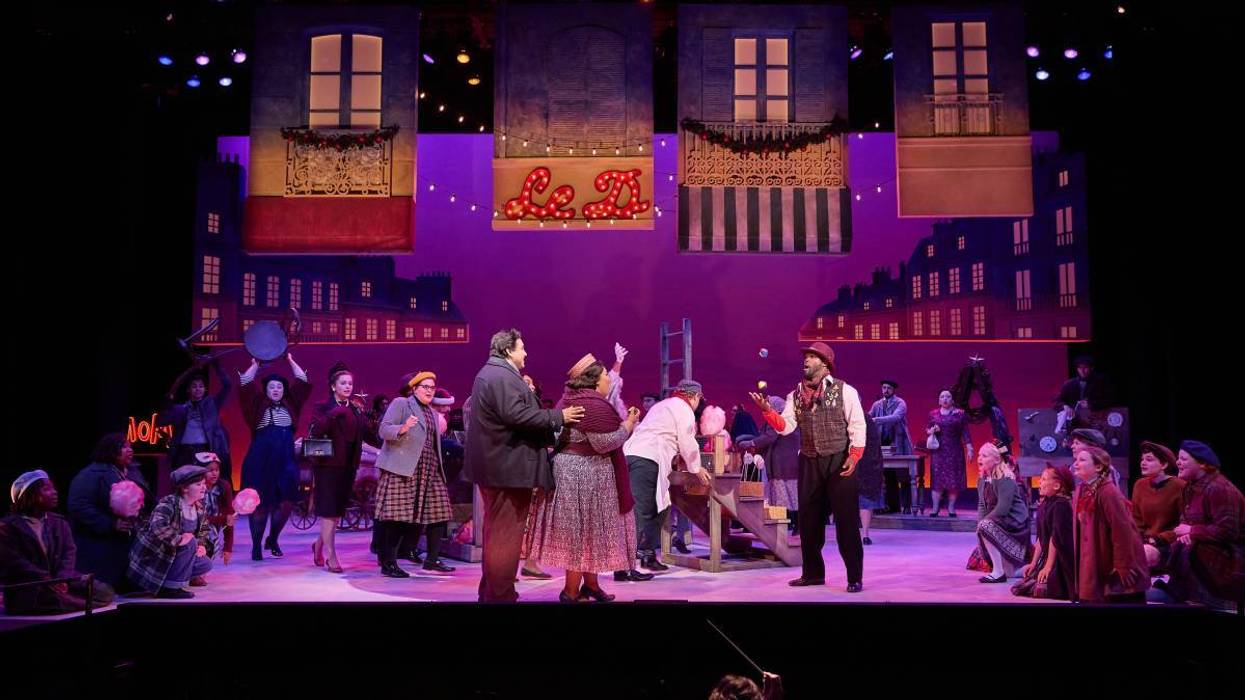

Opera Theater of Saint Louis is stepping out of the Loretto Hilton's shadow.
The opera company has performed at that theatre at Webster University for 49 of its 50 years, but now is under contract to purchase part of the Caleres headquarters campus in Clayton to build its own space.
"We looked all over to find something that would have the size, be able for us to build the theatre, and to re-create the garden experience which people know as such a big part of the Opera Theater experience," General Director Andrew Jorgensen tells KMOX News. "It was about finding the right site."
The corner is considered one of the most valuable plots in the region. KMOX asked him about the not-for-profit's plans to pay for the pricey piece of land.
"Now that we know the where, we'll figure out the how," Jorgensen says. "This will be the largest campaign that Opera Theater has ever undergone."
The organization hopes to build a versatile performing arts center which can also host events from musicals, to ballet, to corporate seminars.
KMOX asked if the plans could turn up competition for other area theaters. Jorgensen says their project would be differentiated and additive.
He says: "I look at the incredible success of recent projects, like the new theater in Kirkwood, the beautiful Berges Theater at COCA, if anything those projects point to the fact that St. Louis still needs high-quality art space."
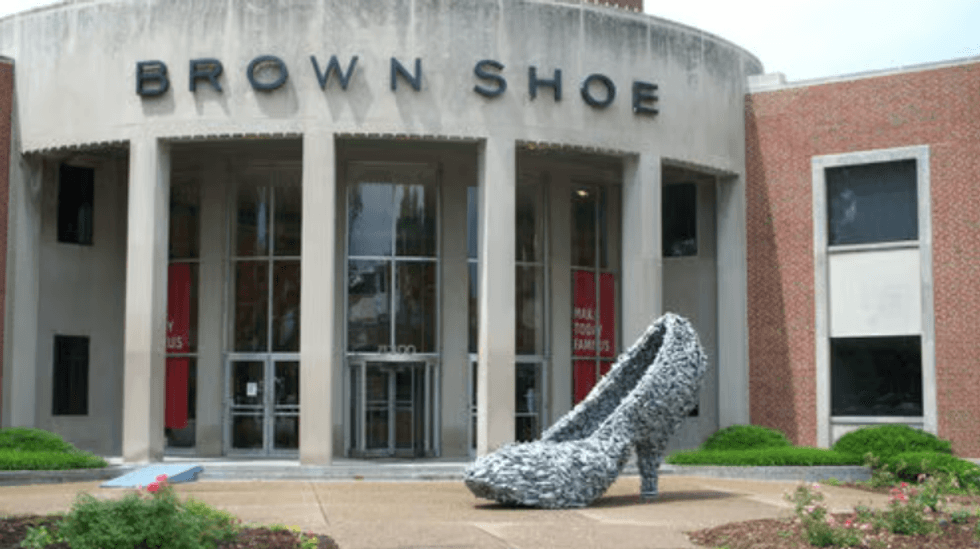 The Brown Shoe Company head officeBrown Shoe
Caleres plans to move to leased office space across a pair of towers in Clayton's business district, the St. Louis Business Journal was first to report last week. One of the buildings already houses Energizer's headquarters.
The footwear company has been based at the corner of Maryland and Topton since well before it changed its name from Brown Shoe Company.
Caleres faced pushback when it tried to sell the property to the Clayton School District. Schools don't pay property taxes and critics pointed out the City of Clayton would've taken a financial hit.
"This a very valuable piece of property on the west end of downtown Clayton. Taking that land off the tax rolls and converting it to non-profit status has real repercussions. Shrinking the tax base is a bad thing," says David Stokes, Director of Municipal Policy at the Show-Me Institute.
However, he doesn't think Clayton should try to block the sale for that reason.
Opera Theater's Jorgensen, meantime, points out they're only purchasing a six acre section, not the whole site like the school district wanted to do, which leaves two large parcels still available for private development.
He adds that performing arts attract patrons who contribute to local taxes when they pay for meals and transportation before and after shows.
The establishment of its own space has been in Opera Theater's long-term strategic plans for at least 25 years. While the general director says they're grateful to their landlord of half-a-century, moving on won't be hard.
"That theater was never designed for what an opera company needs it to do," Jorgensen says. "It's an exciting day and it's an exciting time."