


Flock Safety is updating its automated license plate reader system in response to public outcry over misuse by law enforcement, including a notable case in Sedgwick County. However, these changes won't take effect until January 1. Under the new policy, law enforcement officials will only be permitted to use the cameras in connection with an active case. Officers will be locked out of the system if it suspects misuse.
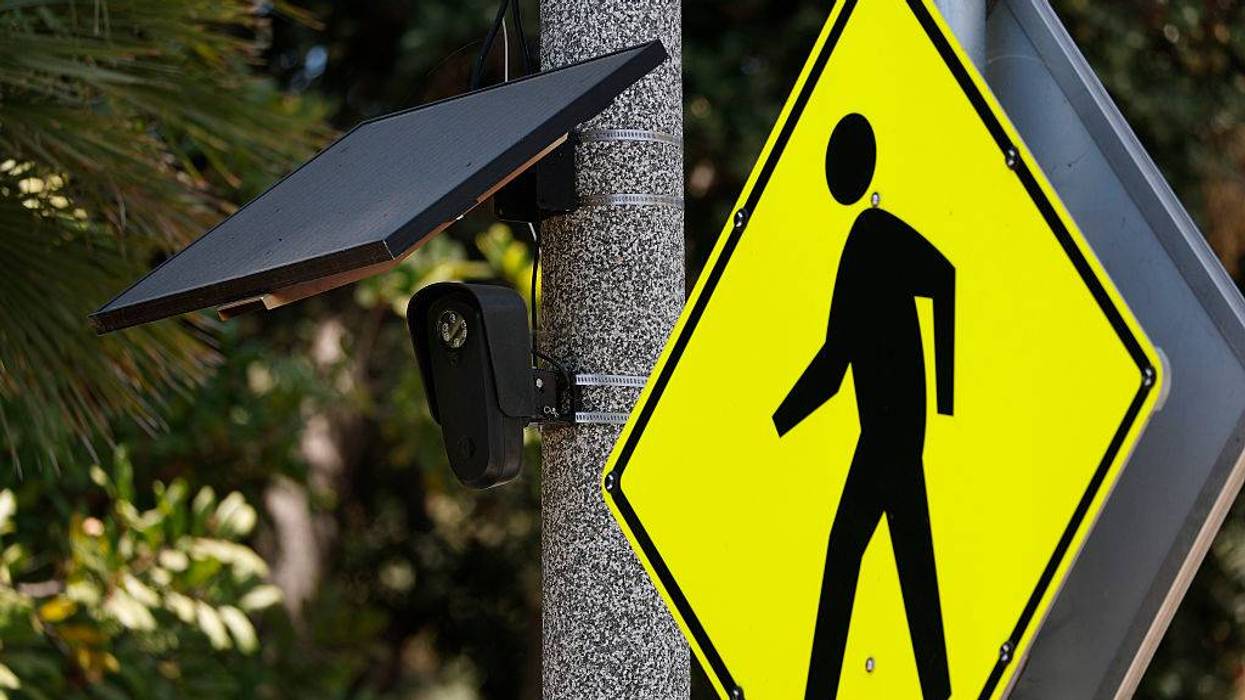
So, what exactly is Flock Safety? Their cameras function as automated license plate readers for law enforcement to identify vehicles. Unfortunately, there have been instances of misuse, such as a former officer from Kechi who tracked his ex-wife using the cameras.
Drew Cranmer, a representative from the Sunflower Privacy Alliance, tells KWCH he has been vocal against the deployment of these cameras. “These cameras can capture license plates as cars pass by," he expressed. "Why collect data on everyone, innocent or guilty? While recovering stolen vehicles is a valid use, it doesn’t justify monitoring every vehicle on the road.”
In terms of what Flock Safety plans to change, the new policy will restrict law enforcement's use of the cameras to active cases only. Should misuse be suspected, officers will find themselves locked out of the system.
Garrett Langley, CEO of Flock Safety, emphasized the company’s commitment to accountability. “If you misuse this tool, you will face consequences. I urge state legislators to enact laws that classify such actions as criminal offenses, not just grounds for termination,” said Langley.
Nevertheless, critics feel the proposed changes don't go far enough. Cranmer expressed his reservations about the new policy, worried it could still inadvertently flag innocent individuals. “I’m hesitant to see this as a successful outcome," he stated. "There are instances of mistaken identity where innocent people may be pulled over, and officers are arriving at these situations in a heightened state.”
Cranmer advocates for Flock Safety to take more decisive action. “Ideally, they should remove the cameras altogether. Until that happens, we need greater oversight and transparency—like making audit logs accessible in Kansas so we can better understand how this technology is being used,” he added.