


Navy SEALs are known to be a secretive organization, more so those assigned to SEAL Team Six, but beneath that is an even more secretive fraternity. These are a group of Navy SEALs, who, by word of mouth and out of desperation for treatment, began secretly going down to Mexico to have ailments stemming from PTSD and Traumatic Brain Injury treated with psychedelics such as DMT and Ibogaine.
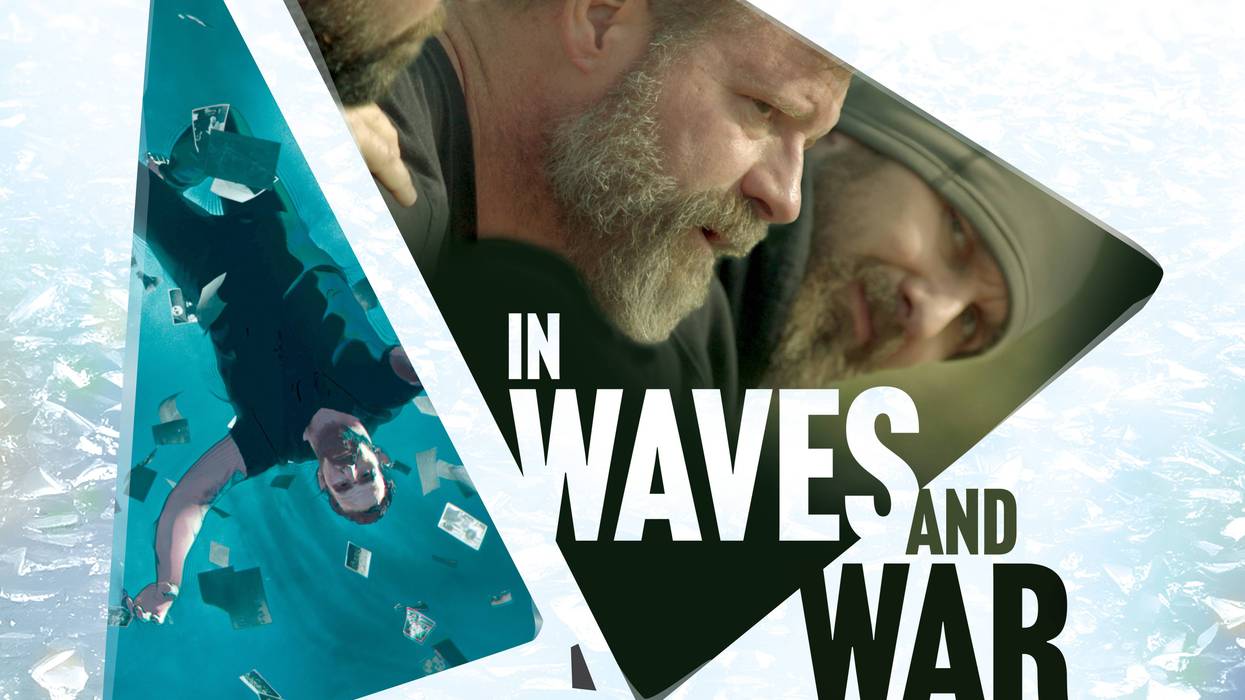
When "In Waves and War" drops on November 3 on Netflix, the public will be given an intimate look at a number of retired operators and the struggles they went through after military service.
"The healing for me was so profound," former Navy SEAL Marcus Capone told Connecting Vets about the psychedelic treatment.
The SEALs began talking in private chat groups about treatment methods and finding ones that work. After attending a funeral service for a teammate who died by suicide, Capone's wife, Amber, told him that they needed to do something to help veterans who are struggling the way Marcus had been.
"I just wanted to get the word out there to say I may have found something that may help," Capone said.
The Capones gave a talk about the issue at a psychedelic conference, and someone in attendance brought the subject up to film director Jon Shenk.
"What you see in the film, us going back and telling the back story of Marcus and his teammates, like DJ Shipley, who were in BUD/S together," Shenk explained to Connecting Vets. Capone then told his teammates about the treatment because, "you don't leave a buddy behind, that's the ethos."
"Initially, it was extremely difficult" to get over the reluctance to share such emotional topics, Capone said. "I didn't know what to say or how to say it. Sitting in that funeral home, we knew we had to do something; it felt wrong not to talk about it.
"It was extremely awkward telling people I drank too much to numb myself, I wasn't getting out of bed, I was working and honestly doing pretty well professionally, but personally I was spiraling."
Shenk said that the way he took it was that Capone and his teammates were putting their community ahead of themselves, in order to be vulnerable and spread the word about treatment options.
At a medical treatment center, Capone and other Navy SEALs underwent psychedelic treatments, and while under, they expected to see fallen teammates and experiences of war.
"The drug pushes those curtains aside, and instead talks about things that really effect you," he said, often taking them back to their childhood.
"These medicines seem to be some kind of short circuit, like twenty years of therapy type thing in a twelve-hour period," Shenk said. "It was a profound experience to spend time with these folks and hear those experiences firsthand."
Capone and Shenk are both optimistic about the future of psychedelic therapy in the United States in future years.
"The zeitgeist around psychedelics is percolating at a fever pitch. I don't know a mental health professional who is not rethinking about how they do their work because of the news coming out about psychedelic therapy," Shenk said, explaining that it is a movie that tells the personal stories of three Navy SEALs, but it is also part of a hearts and minds campaign to change the way people think about these psychedelic treatments.