


It’s another hazy summer for many Americans, with wildfires burning in both the U.S and Canada contributing to smoky air.
In the U.S., 108 new fires were reported nationwide on Tuesday, according to the National Interagency Fire Center. Four of those were identified as large fires and 48 were identified as uncontained.
“Large fires continue to burn in all 10 Geographic Areas, reflecting widespread wildfire activity across the United States,” the NIFC said Wednesday. It added that fire activity is elevated across the West and in Minnesota.
Audacy station WCCO News Talk in the Twin Cities reported that rescue crews were working to extract two groups of Minnesota YMCA campers stranded north of the Canadian border due to the wildfires. The Canadian Air Force was assisting with the rescue.
“Ongoing incidents there are a reminder that wildfire can impact communities across the country, reinforcing the importance of a coordinated national response that moves firefighters, aircraft and incident management teams where they are needed most,” said the NIFC.
Data provided by the Government of Canada showed that a total of 51 new fires were reported Wednesday. Year-to-date statistics from Canada showed 102 out-of-control wildfires and a grand total of 837 in the country, covering more than 2.3 million hectares. U.S. AirNow maps show a concentration of Canadian wildfires near the Minnesota border.
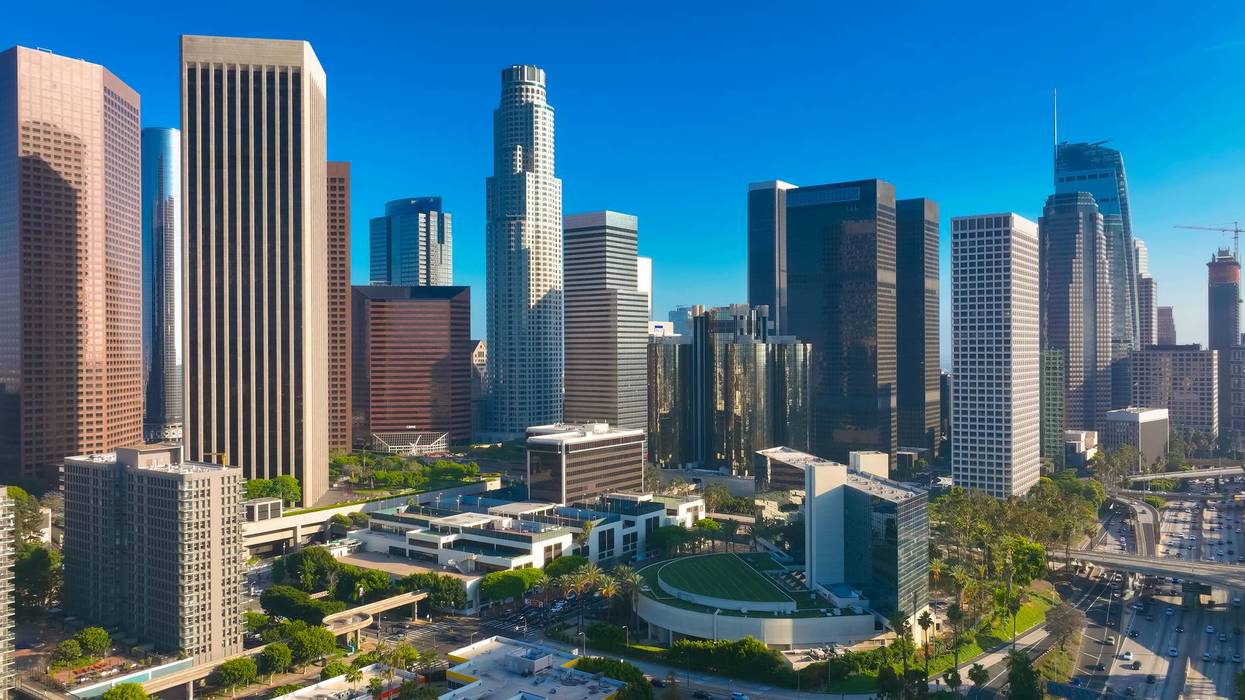
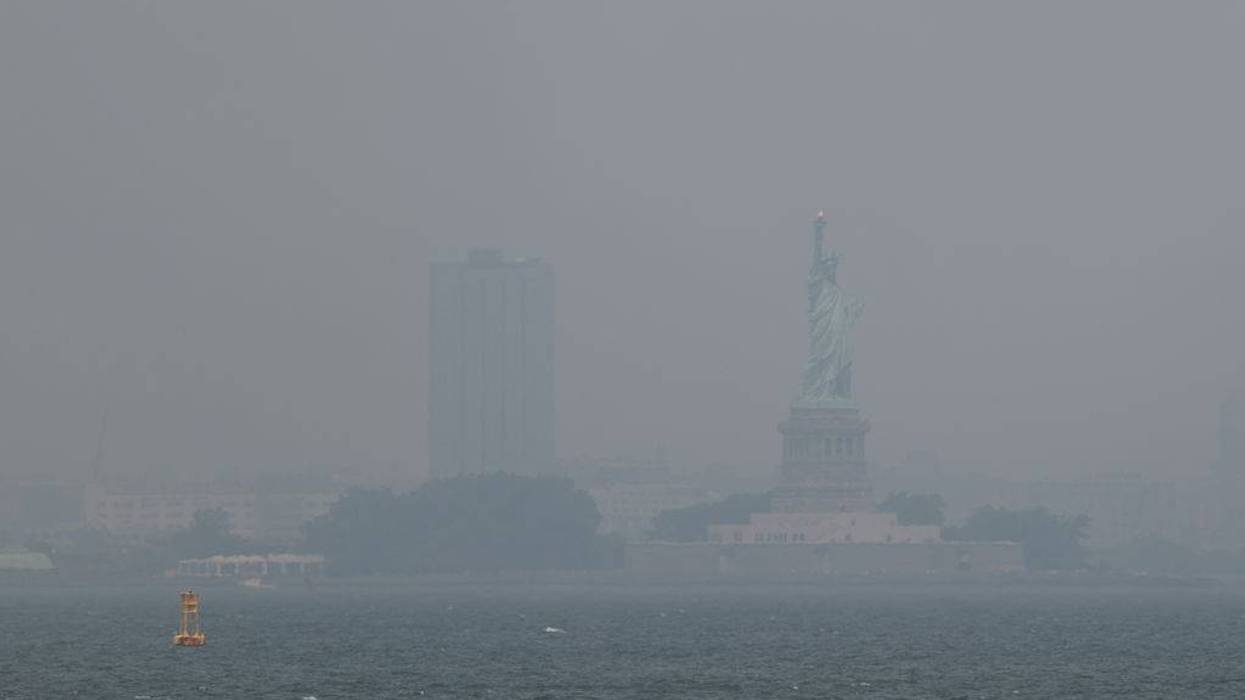
IQAir air quality rankings showed that New York, N.Y., had the third worst air quality worldwide Wednesday, behind Kinshasa in the Democratic Republic of the Congo and Doha, Qatar. Denver, Colo., came in at 11; Chicago, Ill., came in at 12, Los Angeles, Calif., came in at 13 and Washington, D.C. came in at 15.
Last December, Audacy covered research that found wildfires create even more air pollution than we likely realize.
“Altogether, the researchers estimated wildland fires released an average of 143 million tons of airborne organic compounds each year of the study,” said the American Chemical Society. At 21% higher than earlier estimates, that suggested “that wildland fire emissions, specifically the IVOCs and SVOCs, could cause more air pollution than previously thought.”