

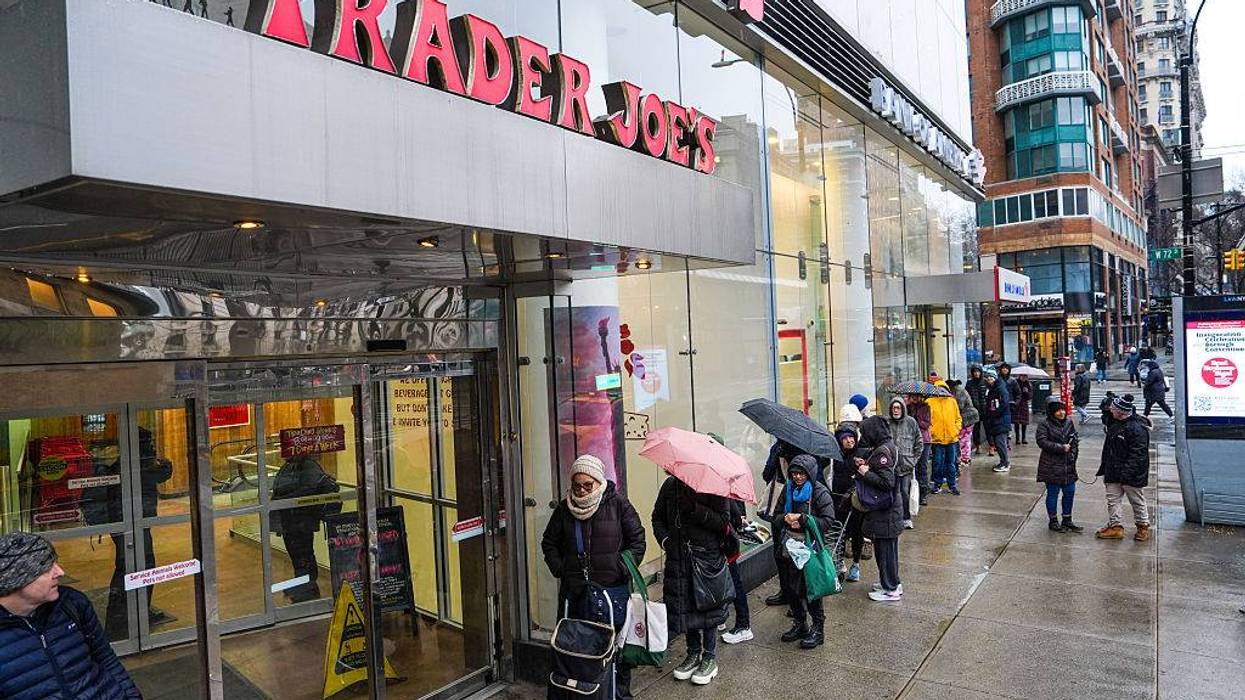

Did you use a credit or debit card at a Trader Joe’s store between March 5 and July 19, 2019? Well, you could be one of the class members expected to get a payout from a settlement between grocery store chain and a man who alleged that it put customers at risk for identity theft.
While the total amount of the settlement is $7.4 million, the plaintiff estimates that each class member will receive $102.45, depending on how many valid claims are submitted. Attorney feels, a payment not to exceed $10,000 for plaintiff Brian Keim and other expenses are included in the settlement amount, according to documents provided through the settlement website.
According to a complaint filed by Keim, he made a purchase at a Trader Joe’s store in Palm Beach Gardens, Fla., on July 9, 2019. He alleges that he was provided with an electronically printed receipt bearing the first six and last four digits of his debit card account number.
Including that many digits of a credit card number would be in violation of the Fair and Accurate Credit Transactions Act of 2003. Per the act, no more than the last five digits of credit or debit card numbers should be printed on receipts provided to the cardholders at the point of sale.
“The risk created by this disclosure is substantial,” said Keim’s complaint. “For example, at least one study demonstrated that in just six seconds, a thief armed with nothing more than the first six and last four digits of a credit card account number – the very information Trader Joe’s disclosed on Plaintiff’s receipt here – can deduce the missing digits and make a fraudulent purchase online using a ‘distributed guessing attack,’ i.e., systematically attempting multiple online purchases with different number combinations.”
When Keim received the receipt from Trader Joe’s, the employee who provided it was able to see his card information. His complaint argues that it put him at risk of identity theft.
Furthermore, the complaint alleges that others at the Palm Beach Gardens store and other Trader Joe’s locations were put at risk due to the point-of-sale system programmed to include the first six and last four digits of customer cards. According to the complaint, Trader Joe’s uses the same receipt printing equipment and receipt format at all Trader Joe’s locations in the U.S. Keim believes that the stores have issued thousands of receipts displaying 10 digits of customers’ credit and debit cards and that the stores also retain records of payment transactions.
However, the settlement website notes that Trader Joe’s denies the allegations and “vigorously denies any and all liability or wrongdoing whatsoever.” It said that not all of the approximately 488 Trader Joe’s stores in the U.S. printed receipts with the extra numbers and that only a small number of such receipts were printed at stores that did.
“Therefore, just because you were provided a receipt for a credit or debit card transaction at a Trader Joe’s store during the class period, it does not necessarily mean that you are a Settlement Class Member,” settlement documents explained.
Those who are not sure whether you are included in the settlement may write to the Claims Administrator at Keim v. Trader Joe’s Settlement Administrator, P.O. Box 301134, Los Angeles, CA 90030-1134, or call the Toll-Free Settlement Hotline, 1-888-444-7415, for more information.
“Trader Joe’s insurer has nonetheless concluded that further litigation would be protracted and expensive, and has taken into account the uncertainty and risks inherent in this litigation, and has determined that it is desirable that the litigation be fully, completely, and finally settled in the manner and upon the terms set forth in the settlement,” the website explained. There have been no reports of identity theft linked to the receipts, the site added.
Settlement Class Members have until June 9 to submit a valid claim. Those who received a notice and have a class ID number may submit forms and materials to Keim v. Trader Joe’s Settlement Administrator, P.O. Box 301134, Los Angeles, CA 90030-1134, or through the settlement website. Those with questions can also call 1-888-444-7415.
By submitting a claim, members of the settlement class give up their rights to sue Trader Joe’s on any released claim described by the agreement. Additionally, the settlement administrator may ask for more information.
Other options for class members include excluding themselves from the settlement. That allows them to pursue further claims, though they will not receive payment. They can also write to the court if they believe the settlement is unfair, attend a fairness hearing or do nothing. Those who do nothing will give up their rights to pursue further litigation on the matter.
“The Court in charge of this case still has to decide whether to approve the settlement,” the website said as of Friday (April 17). “Payments will be made if the Court approves the settlement and after any appeals are resolved. Please be patient.”