


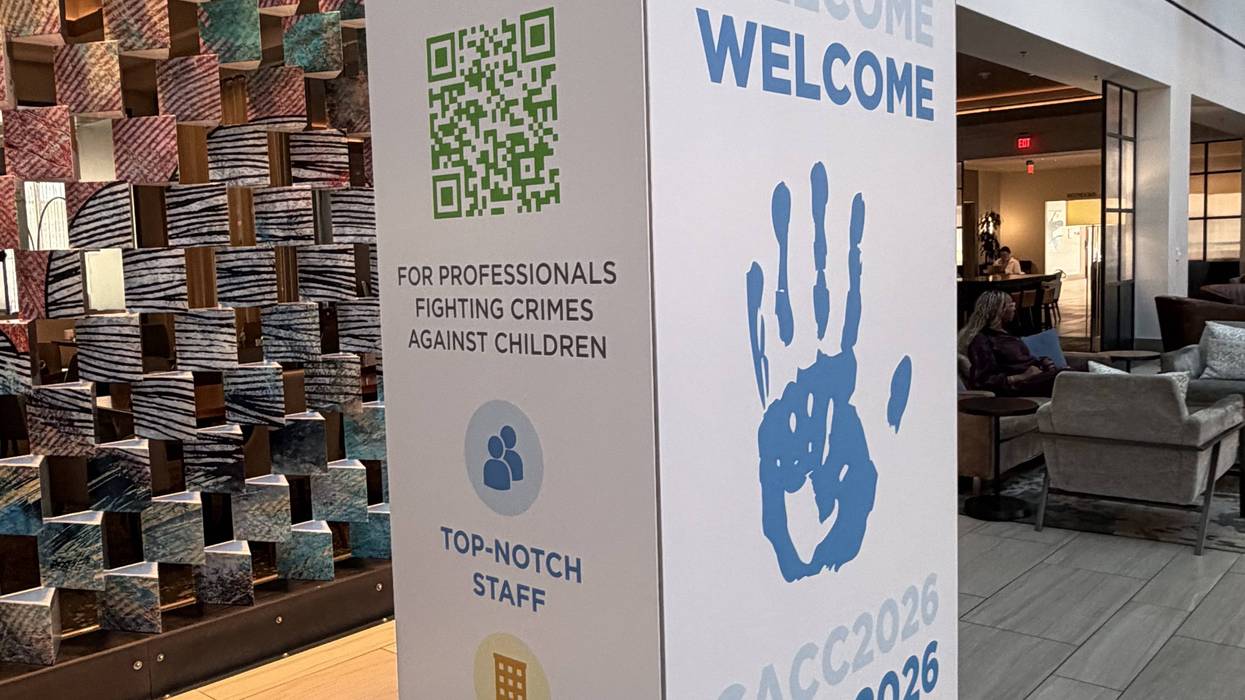

This week, Downtown Dallas is hosting the 38th Annual Crimes Against Children Conference. Organized by the Dallas Children’s Advocacy Center (DCAC), the event stands as the largest child abuse conference in the world. Bringing together over 4,700 attendees—including law enforcement, prosecutors, Child Protective Services (CPS) workers, and therapists—the conference draws professionals from all 50 states and 16 countries.
Lana Ahrens, Director of Training and Community Outreach at DCAC, and Detective Brandon Pool of the Grand Prairie Police Department shared insights on what is happening at this year's gathering, the evolving threats kids face, and how communities can step up to protect them.
Why the Conference Matters: Global Collaboration & Premier Training
With child exploitation happening in every community—urban and rural alike—collaboration is critical. The conference provides a platform for experts across jurisdictions to share investigative techniques, case insights, and frontline strategies.
"It brings together child protection professionals from all over the world... Kids all over are now rescued and protected in a way that they wouldn’t be otherwise."
— Det. Brandon Pool, Grand Prairie Police Department
The Evolving Threat: AI and Online Exploitation
A major focus of this year's conference is the role of technology—specifically Artificial Intelligence (AI)—in child safety. While child abuse itself is not new, perpetrators are leveraging modern technology to exploit victims in unprecedented ways.
Key trends discussed include:
- Generative AI & CSAM: Bad actors using AI tools to create sexually explicit images of minors or manipulate existing photos.
- Extortion & Grooming: Predators connecting with youth online, generating illicit imagery, and using it to blackmail or coerce them.
- AI as an Unintended "Friend": Children seeking companionship through AI chatbots and online platforms, exposing themselves to risks without realizing it.
Despite these challenges, experts emphasize that tech itself isn't inherently evil—it requires active awareness and prevention from guardians and law enforcement alike.
What Parents and Caregivers Need to Know
Both Ahrens and Pool stressed that waiting until a child is a teenager to talk about online safety is too late. Kids as young as 8 or 9 are being exposed to explicit content online, making early, age-appropriate conversations essential.
Action Steps for Families:
- Start Conversations Early: Establish open lines of communication so kids know they can reach out without fear of judgment or punishment.
- Stay Tech-Savvy: Get involved with the platforms and devices your children use. "We are way past the 'I'm just not a tech person' excuse," Det. Pool noted—predators use the exact same devices kids have in their pockets.
- Watch for Signs: Be attentive to changes in behavior and know what your kids are accessing online.
The Back-to-School Safe Haven
With school starting back up, professionals anticipate an increase in reported cases.
Why? While children are home over the summer, they are often around family or acquaintances who may be causing harm, leaving little opportunity to speak out. Returning to school puts kids back in touch with trusted adults—like teachers, counselors, and staff—who are trained mandatory reporters.
How to Get Involved & Learn More
Preventing child abuse isn't just up to law enforcement—it takes an entire community to keep kids safe.
- Report Suspected Abuse: If you suspect a child is in danger, contact local law enforcement or Child Protective Services immediately.
- Dallas Children’s Advocacy Center (DCAC): Learn more about DCAC's mission, volunteer opportunities, or how to donate by visiting dcac.org.
- Catfish Cops Podcast: Det. Pool and his partner run a free resource podcast dedicated to educating parents and highlighting the work of child protection advocates. Find free downloadable guides for parents at catfishcops.com.
Frontline Defenders Gather in Dallas
Frontline Defenders Gather in Dallas