

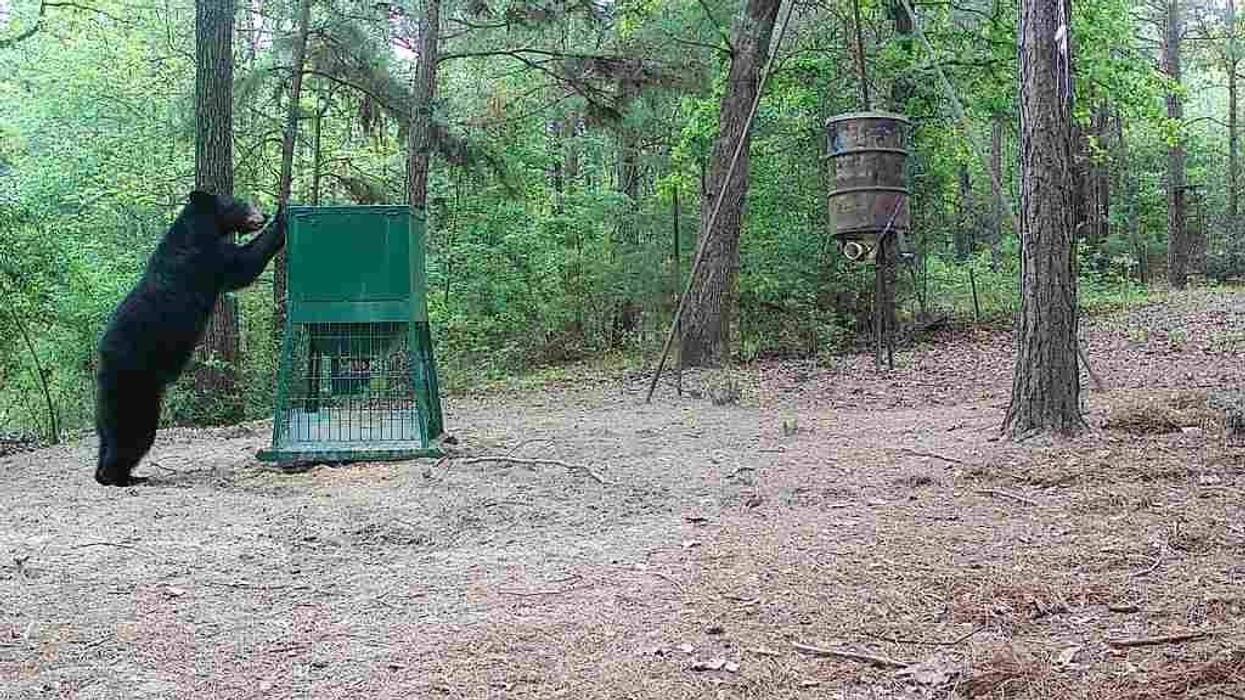

Rusk, Texas – A solitary black bear has captured the imagination of East Texas residents, becoming a local celebrity as it traverses the Neches River corridor.
Rueben Gay, a district wildlife biologist with the Texas Parks and Wildlife Department (TPWD), shared insights into the bear's movements and behavior during a recent interview. Gay, who oversees Cherokee, Houston, and Rusk counties, has been monitoring the bear through public reports and photos for nearly ten months.
A Rare Long-Term Resident
While young male black bears occasionally pass through East Texas from neighboring states like Louisiana, Oklahoma, or Arkansas, this particular bear is unique for its extended stay.
"We just ain't never had one stay this long and want to live here," Gay remarked, noting the bear has been in the area since July 15 of last year.
The bear, estimated to weigh at least 200 pounds and standing about three feet tall at the shoulder, has established a habitat along the Neches River corridor between Highway 79, Highway 84, and Highway 294.
Why the Bear Stayed
Several factors have made East Texas an attractive home for the bear:
- Abundant Food: The bear arrived just as residents were setting out feeders for deer season.
- Ideal Habitat: The hardwood bottomland along the Neches River provides excellent natural cover and resources.
- Mild Weather: A mild winter meant the bear did not enter full hibernation, remaining somewhat active throughout the season.
Safety and Public Interaction
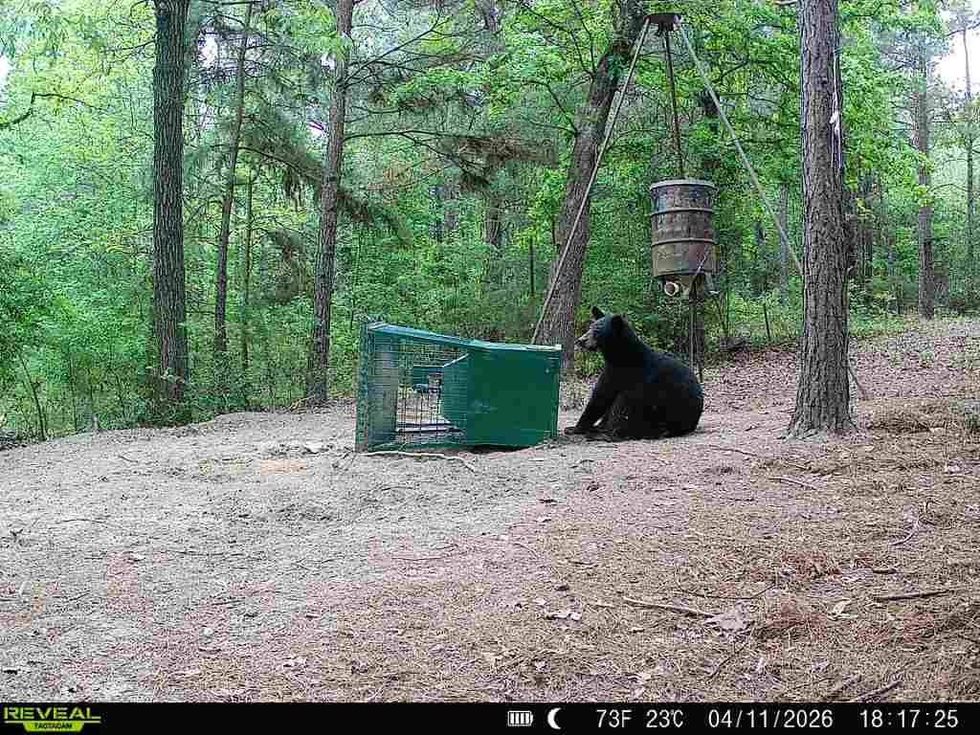
Despite its size, the bear is described as "skittish" and "shy". There have been no reports of aggressive behavior toward humans; the bear's primary mischief involves knocking over corn feeders.
TPWD is urging the public to practice "BearWise" safety tips to ensure the bear remains wild and doesn't become habituated to humans.
Key Safety Recommendations:
- Do Not Feed: Never attempt to feed or approach the bear.
- Secure Food Sources: Clean grills and be mindful of pet food or livestock feed left outdoors.
- Make Noise: If you encounter the bear while hiking or camping, make loud noises to scare it away.
- Carry Deterrents: Consider carrying bear spray or pepper spray as a precaution.
The Future of the "Neches River Bear"
As the summer approaches, the bear will reach full maturity. Gay expects the bear may eventually leave the area in search of a mate, possibly heading back toward established breeding populations in neighboring states.
TPWD continues to track the bear through public sightings rather than GPS collars to minimize interference with the animal. Residents who spot the bear are encouraged to contact their local county biologist or game warden.
"Continue to live your life," Gay advised. "Ninety-nine percent of bears out there in the wild are harmless to us... just increase your awareness".