


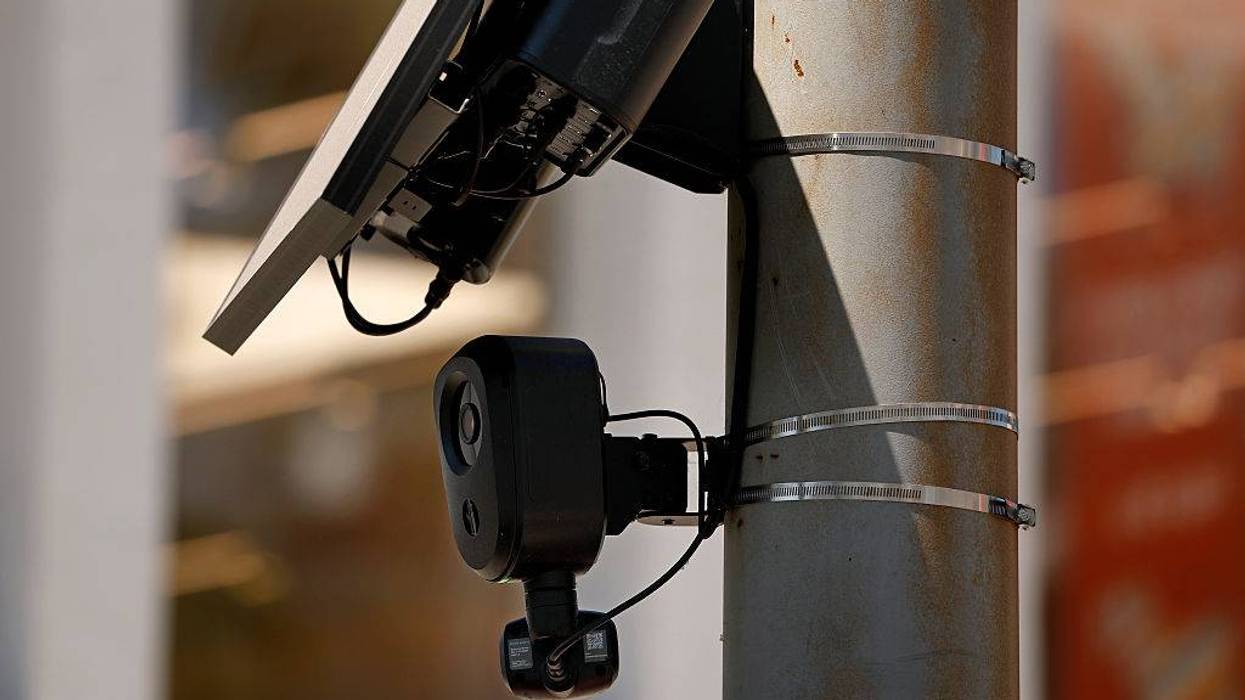

A convicted felon sentenced to 60 years in prison for a series of armed robberies across North Texas is challenging the use of Flock cameras that helped authorities track his movements, arguing the technology violated his constitutional rights.
Charles Brownlee, 37, was convicted by a jury in March 2025 on multiple charges stemming from five armed robberies at Cash Store locations between May 9 and May 21, 2024.
Authorities said Brownlee, a convicted felon, robbed stores at gunpoint in Grand Prairie, Fort Worth, Euless, Hurst and Grapevine. He attempted to conceal his identity by wearing a medical mask, different baseball caps and various outfits, according to evidence presented at trial.
Investigators used data from Flock license plate-reading cameras to trace Brownlee’s movements.
In July 2025, Brownlee was sentenced to 60 years in prison and ordered to pay $21,123.47 in restitution.
Brownlee and his attorneys filed an appeal earlier this month, arguing that collecting data from Flock cameras amounted to a general search prohibited by the Fourth Amendment, which protects against unreasonable searches and seizures.
During oral arguments before a three-judge panel, Brownlee’s defense argued that the technology’s ability to track vehicle movements raised constitutional concerns. The Justice Department countered that the cameras captured information visible in public and collected data intermittently rather than actively tracking vehicles.
The appeal comes as courts across the country weigh the constitutional limits of automated license plate readers. In a similar case in Oklahoma, a federal judge ruled that the use of Flock camera data violated a suspect’s Fourth Amendment rights.


