

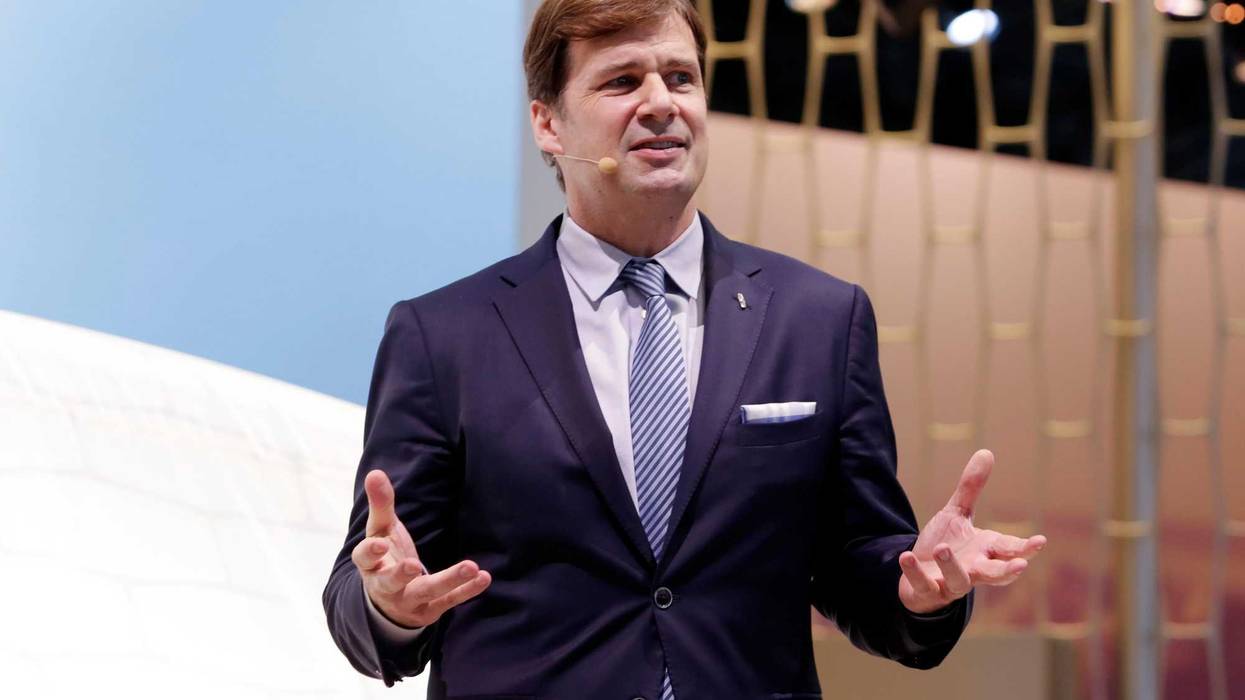

Ford CEO Jim Farley says owners shouldn’t repair their own new Broncos because modern vehicles have become too complex for safety, sparking fresh debate in the ongoing battle over right-to-repair laws.
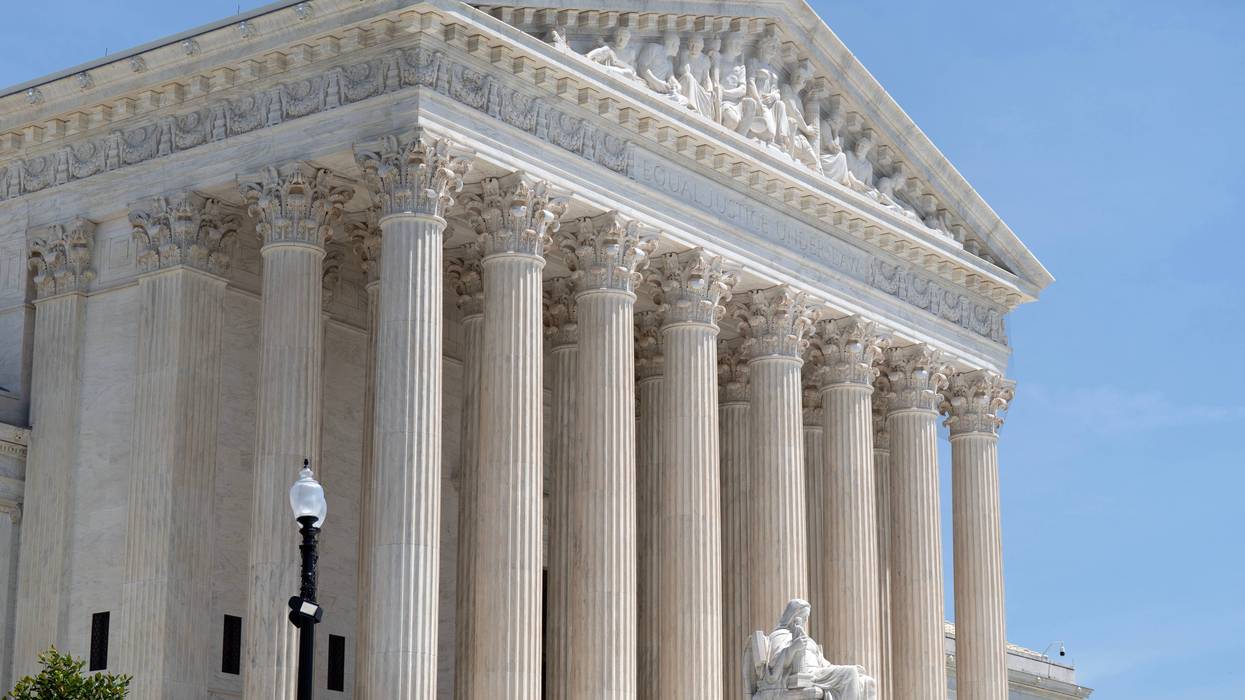
Farley made the comment during recent discussions in Washington as Congress weighs legislation that could give independent mechanics and consumers greater access to vehicle data and diagnostics. He argued that today’s cars, packed with advanced electronics and safety systems like ADAS, require specialized knowledge to avoid potential risks during repairs.
The remarks highlight tensions between automakers and advocates for consumer rights. Right-to-repair supporters, including independent shops and small businesses, argue that manufacturers are restricting access to repair information and parts, forcing owners to dealerships and driving up costs. Bills like the REPAIR Act aim to address data access while balancing innovation and safety.
Ford and other automakers contend that proprietary systems protect vehicle performance, cybersecurity, and advanced safety features that rely on proper calibration. The issue has drawn bipartisan attention in recent years, with states like Massachusetts passing early laws and federal efforts gaining momentum.
In recent years, Ford's global service, parts, and aftermarket business has contributed roughly $10-15 billion annually in revenue (part of the broader "Mobility" or "Ford Blue" segments), with strong profit margins often higher than new vehicle sales—sometimes 20-30% or more on parts and labor. Dealer service departments and certified repairs form a key piece of this, especially as modern vehicles require specialized diagnostics, software updates, and ADAS calibrations that encourage customers to return to Ford or authorized shops.
For North Texas drivers who rely on local independent mechanics for everything from oil changes to complex repairs, the outcome could affect service options and costs. The debate comes as vehicles grow more connected and software-driven, raising questions about ownership and long-term maintenance.
No immediate legislative timeline was set, but the conversation continues as lawmakers balance consumer choice with industry concerns.
LISTEN on the Audacy App
Tell your Smart Speaker to "PLAY 1080 KRLD"
Sign Up to receive our KRLD Insider Newsletter for more news
Follow us on Facebook | Twitter | Instagram | YouTube