

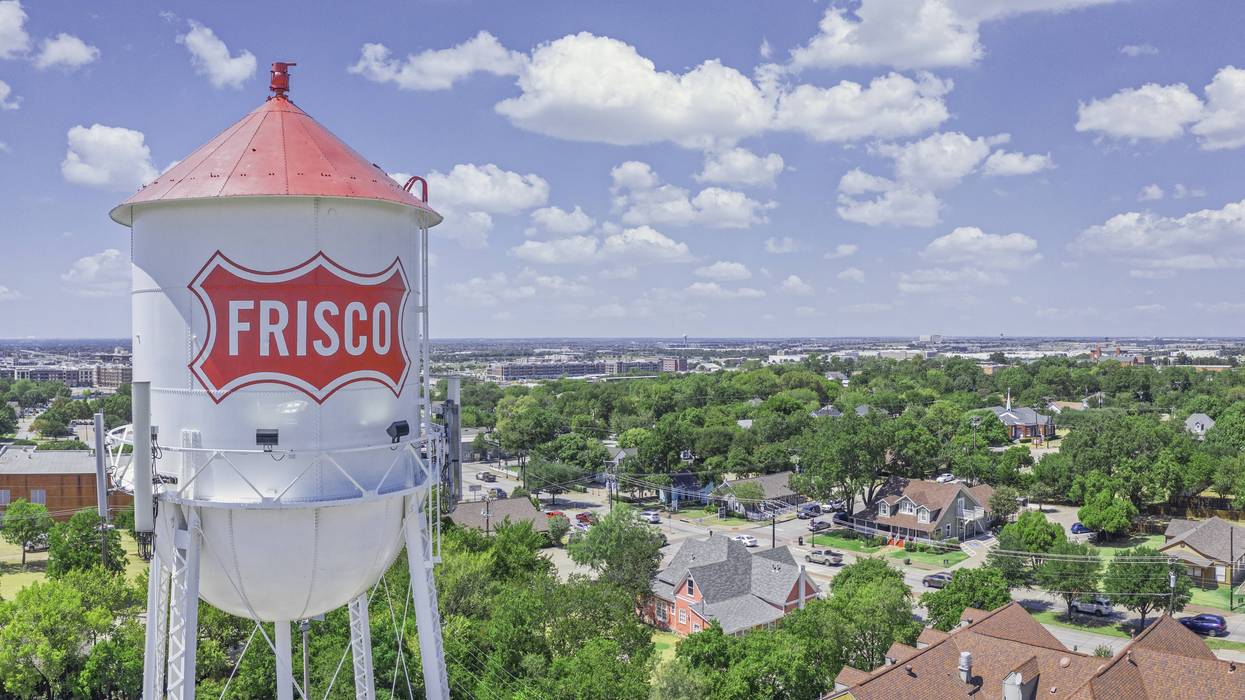

Frisco, Texas is approaching a point where there may be little land left for new single-family home development, as one of North Texas’ fastest-growing suburbs begins to near residential buildout.
John Lettelleir, Frisco’s Development Services Director, said the city’s growth was fueled by its location along major corridors like the Dallas North Tollway, as well as long-term planning and consistent leadership.
“We just happened to be in the right location,” Lettelleir said.
During its peak in the early-2000s, Frisco issued thousands of single-family home permits each year. Today, that number has dropped significantly to about 900 to 1,000 annually.
“We don’t have as much vacant land,” Lettelleir said.
As the remaining land is developed, the city is expected to transition away from large-scale homebuilding and toward redevelopment and more strategic land use.
“Development doesn’t necessarily stop,” he said. “There’s redevelopment that will take place.”
That means older areas, particularly retail centers and underused properties, could be reimagined as mixed-use developments that include housing, businesses, and entertainment. City leaders are already encouraging that type of development in certain areas to create more active, walkable districts.
Lettelleir said future decisions will require a more careful approach, especially as land run outs.
“We need to be thoughtful,” he said. “Not just what works today, but what will be the best use for Frisco that’s gonna be sustainable 20 to 50 years down the road.”
While growth has slowed compared to previous decades, demand to live in Frisco remains strong, driven by its schools, businesses, sports, and entertainment. That continued demand, paired with limited land, could present challenges, including housing affordability.
“Affordability, obviously, it's a challenge, and success is a double edged sword.” Lettelleir said. “People talk about if you build more homes, the prices are gonna come down, and my counterargument to that is, if you have a successful city, how many homes have to be built to bring home prices down, and I just think nobody knows what that number is, but affordability is something we keep at the back of our minds.”
Even as the city nears buildout, he emphasized that growth itself is not the primary focus moving forward.
“Yes, growth has slowed down,” he said. “But the question now is how we build on Frisco’s success.”
For Frisco, the future will likely be shaped less by expansion and more by how the city develops and adapts within the land it has left.