


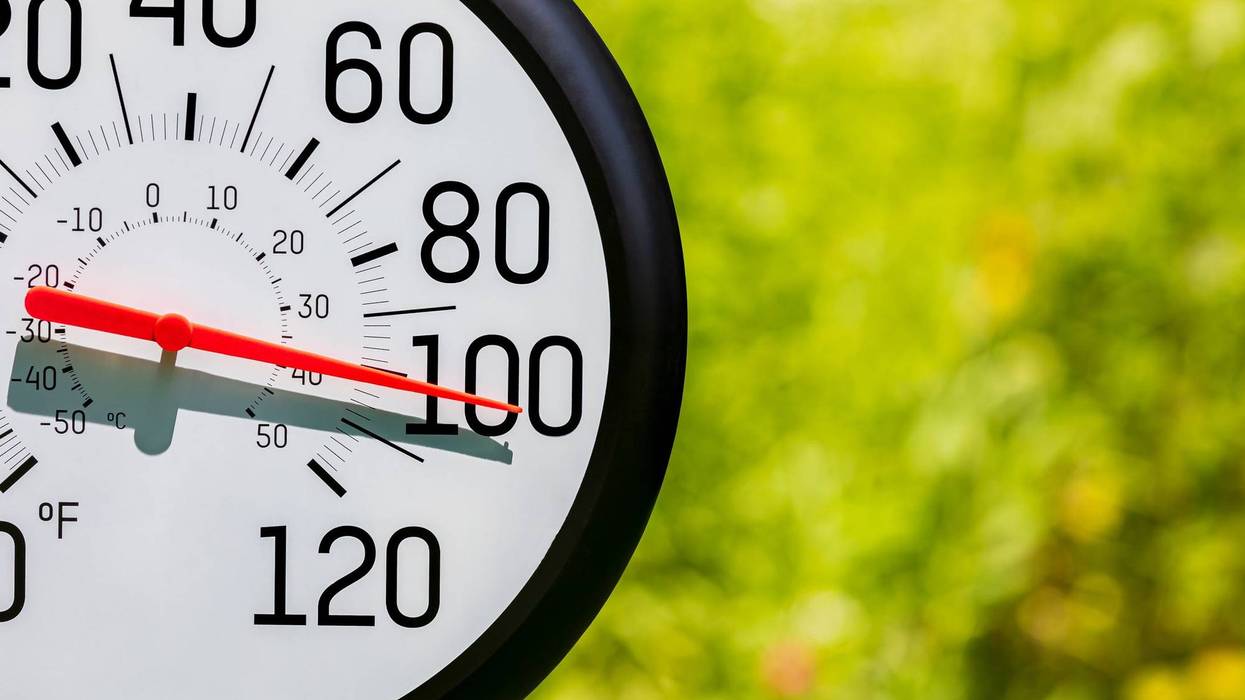

DALLAS — With North Texas locking into an extended stretch of 100-plus degree days, emergency room doctors at Parkland Memorial Hospital are issuing a urgent warning to student-athletes, coaches, and outdoor enthusiasts: extreme heat can overwhelm even the fittest bodies in a matter of minutes.
The warning comes as local health systems report a steady surge in heat-related emergencies. So far in 2026, Parkland’s Emergency Department has treated 31 patients for heat-related illnesses—including 16 cases in July alone.
Dr. Jeffery Metzger, Chief of Emergency Services at Parkland, emphasized that intense physical exertion creates a dangerous double threat when combined with high ambient temperatures and humidity.
"Heat illness can affect anyone, regardless of age or fitness level," Dr. Metzger said. "Athletes are especially vulnerable because intense physical activity generates additional body heat. When temperatures and humidity are high, the body’s ability to cool itself can become overwhelmed, leading to heat exhaustion or even life-threatening heat stroke."
Health officials warn that high humidity renders sweat far less effective at cooling the body, driving up the heat index—how hot it actually feels—to dangerous levels. Because of this, even practices held during early morning hours or late evenings can carry serious health risks.
Dr. Metzger also highlighted a common misconception regarding hydration during prolonged outdoor workouts: drinking plain water isn't always enough.
"Hydration is essential, but during prolonged or vigorous exercise in the heat, athletes should also replace the sodium and other electrolytes lost through sweat," Metzger advised. "Water alone may not be enough during extended periods of heavy exertion."
Physicians caution that consuming excessive amounts of plain water without replenishing sodium can trigger a rare but severe medical condition that causes dangerously low blood sodium levels, potentially leading to seizures.
How to Protect Yourself and Young Athletes
With pre-season workouts and fall sports practices getting underway across North Texas, Parkland physicians recommend the following safety protocols:
- Hydrate Correctly: Drink water regularly before, during, and after activity. For long sessions with heavy sweating, consume electrolyte-rich drinks or snacks to restore sodium levels.
- Ease Into the Heat: Acclimate the body gradually by increasing workout intensity and duration over several days rather than pushing hard on day one.
- Optimize Practice Times: Schedule strenuous workouts during the coolest hours of the day and mandate frequent rest breaks in shaded or air-conditioned areas.
- Dress Appropriately: Wear lightweight, light-colored, and loose-fitting clothing.
- Use the Buddy System: Practice alongside a teammate who knows the warning signs of heat exhaustion and can call for help if needed.
- Never Workout While Sick: Avoid outdoor exertion if experiencing a fever, vomiting, or diarrhea.
Warning Signs & When to Call 911
Coaches, parents, and teammates should constantly monitor for early signs of heat illness, including heavy sweating, pale or cool skin, muscle cramps, fatigue, dizziness, headache, or nausea.
Heat stroke is a fatal medical emergency. If an athlete displays confusion, disorientation, loss of consciousness, a abnormally high body temperature, or stops sweating altogether, call 911 immediately. While waiting for first responders, move the person to a shaded or air-conditioned space and apply cold water, ice packs, or wet towels to cool their body down.
Parkland ER doctors warn of mounting heat risks
Parkland ER doctors warn of mounting heat risks


