


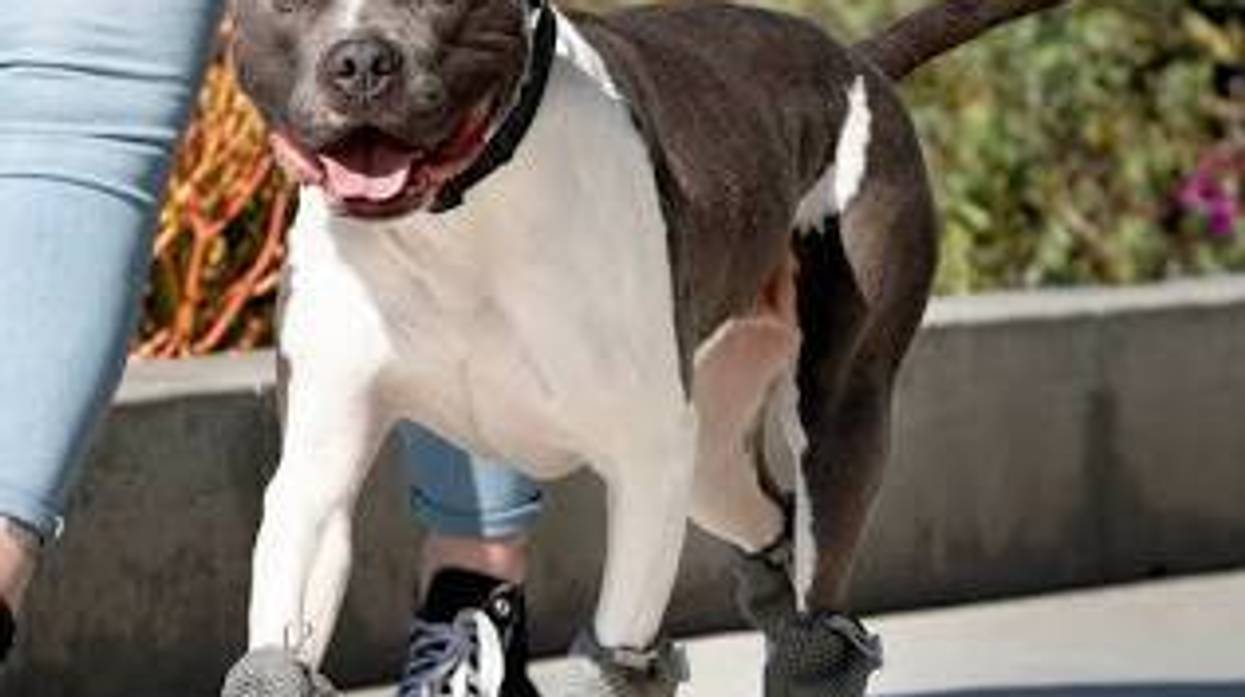

Local North Texas veterinary clinics and the SPCA of Texas are issuing fresh warnings as summer temperatures soar across DFW. Veterinary staff report seeing a steady stream of heat-related emergencies, with cases ranging from severe overheating to burned paw pads caused by hot pavement.
Hayley Benson, a veterinary technician at a local animal hospital, notes that clinics see a sharp spike in heat exhaustion cases every summer, often on a weekly basis. "It's something that doesn't necessarily discriminate against breeds—it can happen to any of them," Benson says. However, flat-faced (brachycephalic) breeds like French Bulldogs and Pugs are at an even higher risk and can overheat much faster.
Essential Hot-Weather Safety Guidelines
- Walk During Off-Peak Hours: Keep exercise limited to early mornings (before 10 AM) or late evenings (after 5 PM) when temperatures are lowest.
- Protect the Paws: Asphalt and concrete absorb extreme heat, easily burning sensitive paw pads. Always test the ground with the back of your hand for 5–10 seconds first; if it’s too hot for your skin, stick strictly to grassy areas or use protective dog booties or paw wax.
- Reconsider Long Outdoor Walks: Prolonged exertion in high heat—even during the evening—can lead to severe heat exhaustion requiring plasma transfusions and multi-day hospital stays.
- Provide Proper Shade & Water Outdoors: Outdoor pets need continuous shade that allows airflow (avoid stuffy enclosures) and non-tippable water bowls. Never use metal water bowls outdoors, as metal heats up rapidly in direct sunlight.
- Never Leave Pets in Cars: Interior car temperatures can spike above 120°F in minutes, even with windows cracked or in the shade. Running the A/C in a parked car is also unsafe due to the risk of mechanical failure.
Signs of Heatstroke & What to Do
Symptoms include heavy panting, excessive drooling, difficulty breathing, lethargy, loss of coordination, or dark red gums.
If you suspect your pet is overheating, move them immediately to an air-conditioned room or shaded area. Apply cool (never ice-cold) water or damp towels to their stomach and underarms to gradually lower their body temperature, then seek emergency veterinary care right away.