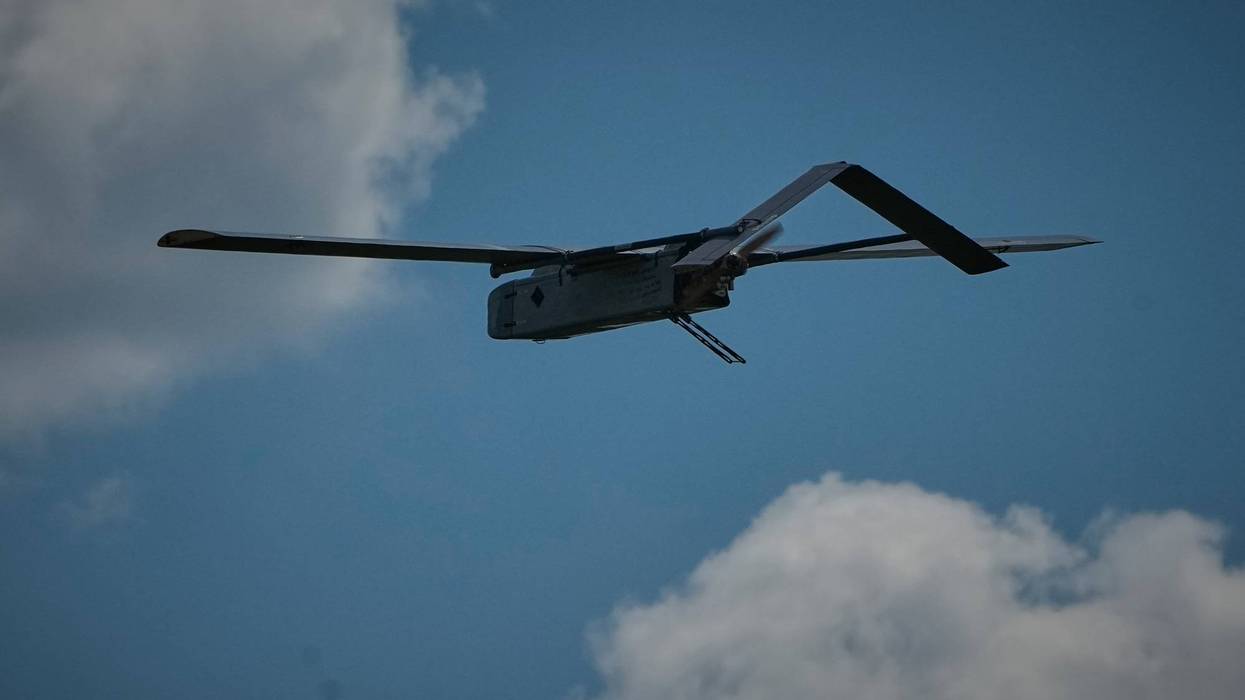


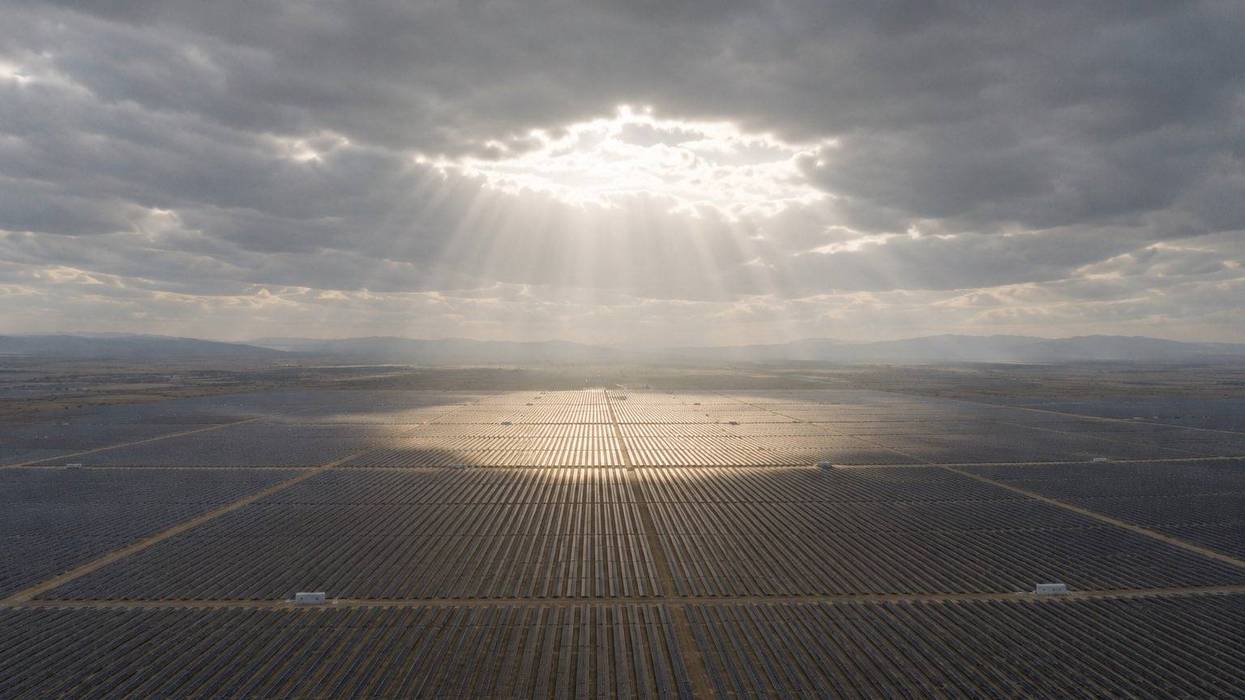

A Y Combinator-backed startup founded by University of Cambridge engineers is developing fleets of autonomous drones designed to disperse low- and mid-level clouds over solar farms and increase electricity output.
Meteoric Technologies Inc. says its drones would fly into clouds roughly 1 to 5 kilometers high and mechanically alter the water droplets that form them, reducing reflectivity so more sunlight reaches the panels below. The company states the process uses no chemicals and requires no new ground infrastructure.
According to CEO and co-founder Mete Karslioglu, low- and mid-level overcast clouds can cut incoming sunlight by 73% to 82% while overhead. Meteoric’s models project that clearing those clouds could raise annual generation from existing solar assets by 10% to 30% across major U.S. grid regions, potentially adding $5,000 to $28,000 of value per megawatt.
Today, we’re launching Meteoric (YC S26).
— Mete Karslioglu (@MeteKarsli0glu) August 21, 2026
Our drones clear clouds over solar farms to increase their annual output by 10-30% without using any chemicals.
Ultimate target: weaken severe storms and hurricanes.https://t.co/Vt1ZGbMith pic.twitter.com/ISjbavdeDD
The company reports that a working prototype dissipated an artificial cloud by 13% in controlled cloud-chamber tests. It plans first large-scale cloud-clearing flights in 2027. Karslioglu has said the longer-term goal is to scale the technology to reduce the intensity of severe storms and hurricanes.
Meteoric, based in San Francisco and part of Y Combinator’s Summer 2026 batch, was co-founded by Karslioglu and CTO Eric Nilsson. Both previously worked on atmospheric and droplet-related research at Cambridge. The company lists potential uplift estimates that vary by region, with modeled highs of 30% in the New York ISO area and lower figures in places such as ERCOT and CAISO.
Independent verification of real-world performance is not yet available. The technology remains in early development, and regulatory, safety and environmental questions around any form of weather modification would need to be addressed before commercial deployment.
LISTEN on the Audacy App
Tell your Smart Speaker to "PLAY 1080 KRLD"
Sign Up to receive our KRLD Insider Newsletter for more news
Follow us on Facebook | Twitter | Instagram | YouTube