



Texas A&M is now home to a unique research laboratory that can literally play with the Earth's gravity.
Many centrifuges are used to increase the force of Earth's gravity but this one works to reduce it or at least make you feel like it while lying on your back.
Dr. Bonnie Dunbar is a former NASA astronaut who flew the Space Shuttle five times.
She now is an Aerospace Engineering Professor at Texas A&M and has been instrumental in getting a centrifuge that was built by NASA to be housed at the campus in College Station.
The original use for the centrifuge was for a NASA program that was cancelled after the retirement of the Space Shuttle.
She says it can serve as a research tool for large number of people.
"I look forward to really multi-discipline users," Dr. Dunbar said. "Not just humans, but cellular biology, fluid physics, for example, how liquids behave in a partial-gravity environment."
For a number of years, researchers had to travel overseas for access to a similar machine. Now that's changed with this centrifuge opening at Texas A&M.
"The campus then would be a hub for all the NASA researchers in the human research program who are using either bedrest or using centrifugation to look at the effects of things like cardiovascular effects, vestibular effects, and so forth," Dr. Dunbar said.
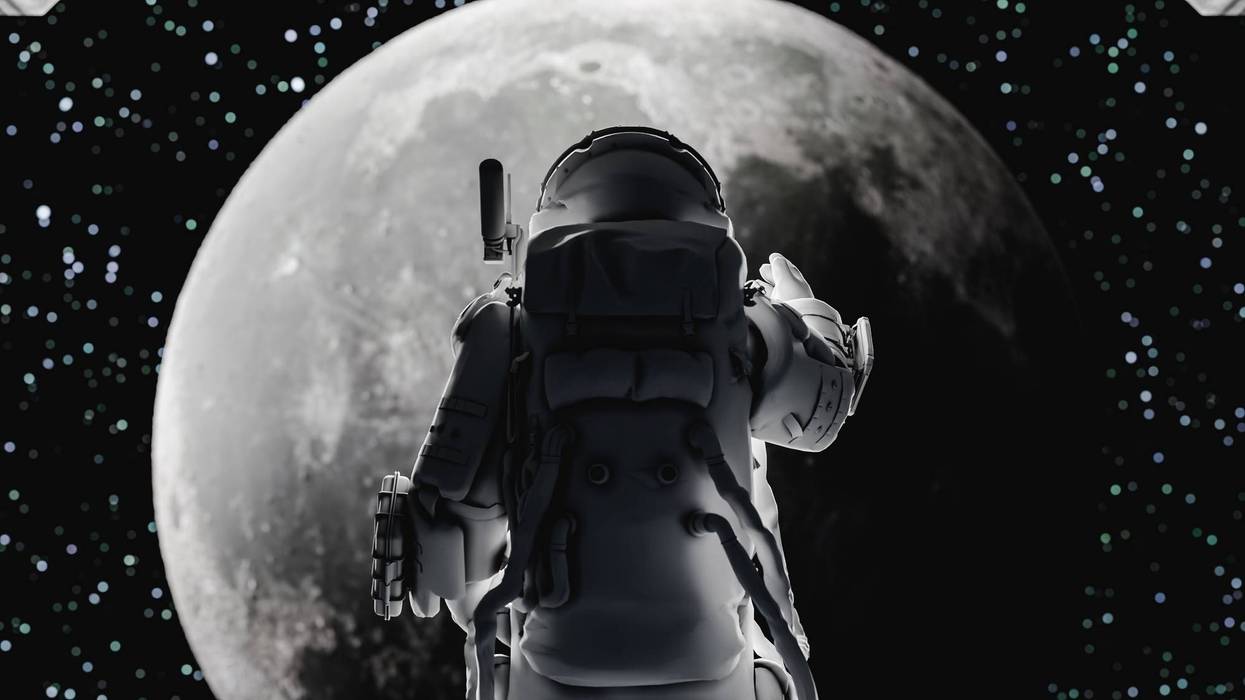
The lab can simulate both lunar and Martian gravity for extended periods of time. On the Moon it feels like one-sixth of Earth's gravity. On Mars it feels like three-eighths.
The lab is fully functional but is still in the process of certification. They hope for a formal dedication in the fall.