

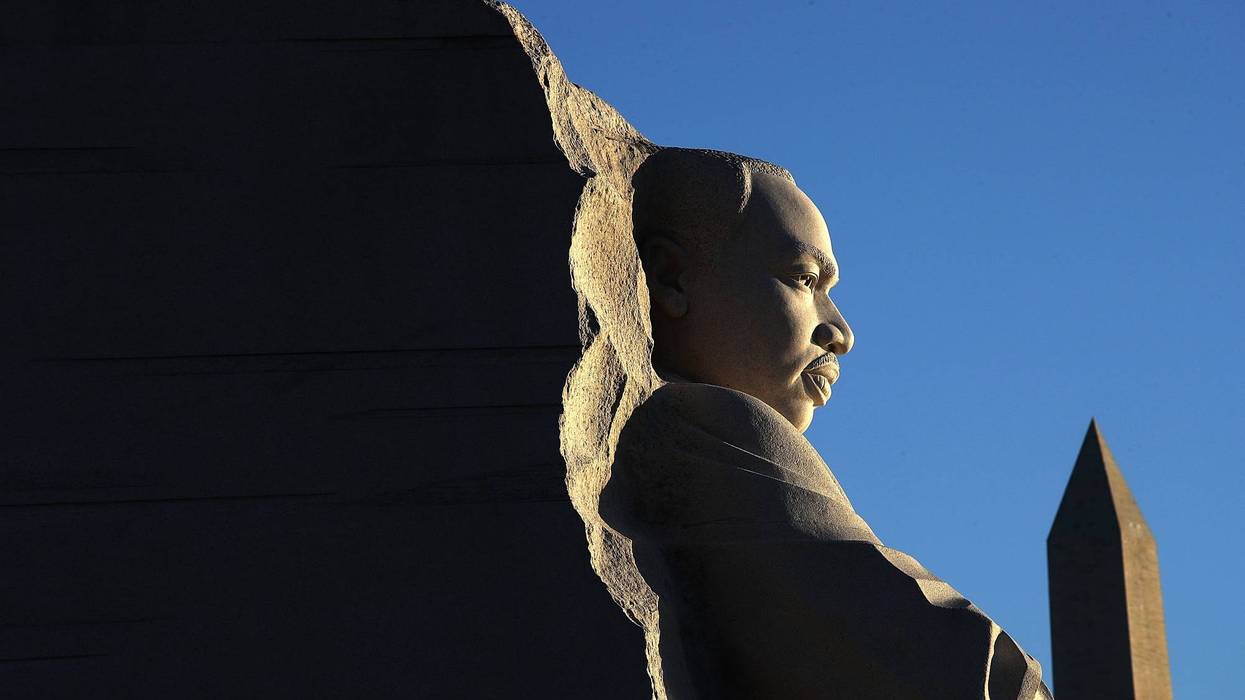

The estate of Martin Luther King Jr. continues to hold strong copyright protections on the civil rights leader's speeches and writings, including his most iconic "I Have a Dream" address delivered at the March on Washington in 1963, meaning broad public use of those words still requires permission or licensing.
Under U.S. copyright law, an author's original works are protected for the author's life plus 70 years. Since Dr. King was assassinated in 1968, the textual copyright on his speeches and other works will not expire until at least 2038.
King secured federal copyright protection for the "I Have a Dream" speech by registering it with the U.S. Copyright Office shortly after its delivery in 1963, and those rights passed to his estate upon his death.
Copyright enforcement and legal history
The King estate has actively maintained and enforced those rights. In the late 1990s, a legal dispute arose when CBS used significant portions of King's speech in a documentary without seeking a license. The U.S. Court of Appeals for the Eleventh Circuit ruled that giving the speech publicly did not amount to "general publication" that would forfeit the copyright, allowing the estate to require licensing for use of the text.
Because of that ruling, major media outlets and producers who want to reproduce, broadcast, or publish the full speech or other substantial excerpts typically must obtain permission from the estate or its licensing agent.
Public perception and fair use
Despite its prominence in American history, King's speech is not in the public domain; only limited portions may be quoted under the fair use doctrine, which allows brief excerpts in specific educational or commentary contexts without a license. But broader or commercial uses, such as in films or advertising, generally require explicit authorization.
For educators, news organizations, and individuals, this means carefully considering fair use limits or seeking licenses before reproducing substantial portions of King's speeches or other copyrighted writings.