

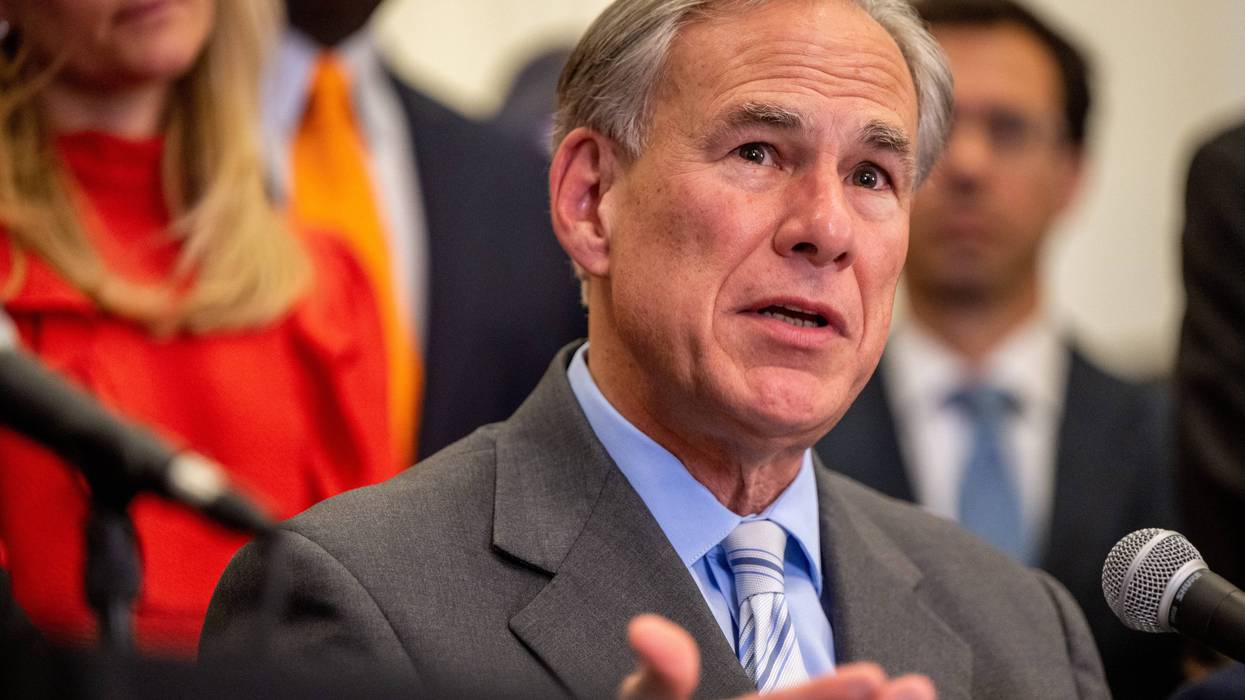

Texas Gov. Greg Abbott is proposing a sweeping five-point plan aimed at cutting property taxes and limiting rising home values across the state, outlining measures that would cap government spending, reduce tax burdens and increase voter oversight of local tax decisions.
Abbott announced the proposal this week as part of his push to provide relief for Texas homeowners facing rising property tax bills driven by increasing home values and population growth. The plan calls for limits on local government spending, expanded opportunities for voters to roll back tax increases, caps on property appraisal growth, elimination of school property taxes for homeowners and requirements for voter approval before certain tax hikes.
Under the proposal, local governments would face stricter limits on annual spending increases, tied to population growth and inflation. Supporters say the measure would help prevent local jurisdictions from raising property taxes beyond what is necessary to fund essential services.
The plan also seeks to give residents more authority to challenge tax increases by allowing voters to petition for rollback elections. Abbott's proposal would require local governments to obtain voter approval before implementing certain property tax increases, a move supporters argue would increase transparency and accountability.
Another major component would cap how much property values can increase for tax purposes each year. State leaders say appraisal caps would help stabilize tax bills for homeowners in fast-growing areas where property values have surged.
Abbott's plan also calls for eliminating school property taxes for homeowners, a change that would require voter approval through a constitutional amendment. State leaders would need to identify alternative funding sources for public schools if the measure is adopted.
The proposal comes as property taxes remain a major issue across Texas, where the state does not levy a personal income tax and relies heavily on local property taxes to fund schools and services. Rapid population growth and rising home prices have contributed to increasing tax bills for many residents.
The plan must still move through the Texas Legislature, where lawmakers would debate and potentially modify the proposal before any measures could take effect. Some elements, including changes to school funding and constitutional amendments, would ultimately require voter approval.
LISTEN on the Audacy App
Tell your Smart Speaker to "PLAY 1080 KRLD"
Sign Up to receive our KRLD Insider Newsletter for more news
Follow us on Facebook | Twitter | Instagram | YouTube