


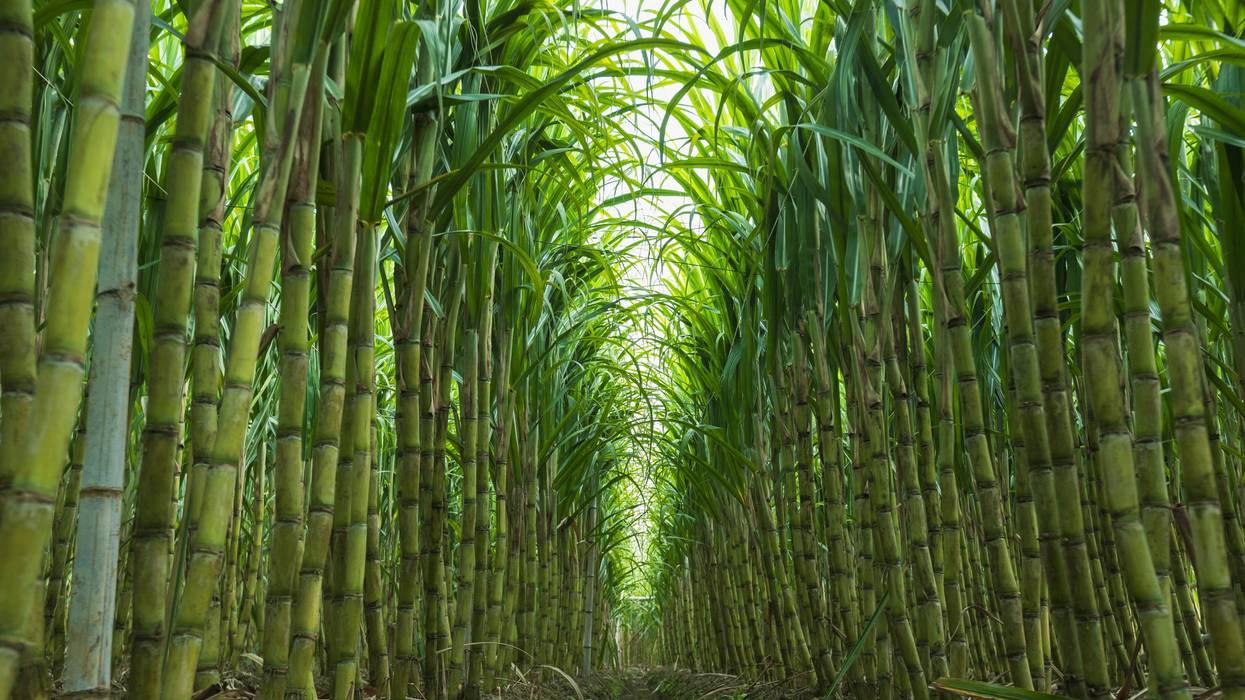

A new academic review suggests the answer might be yes, although experts caution that more research is needed before the fast-growing plant can be called a true superfood.
The research, led by scientists at Anglia Ruskin University (ARU) in the United Kingdom and published in the journal Advances in Bamboo Science, examined all available studies on bamboo consumption — including both human trials and laboratory research — to assess its potential effects on metabolism, digestion and inflammation.
Bamboo shoots — a food long eaten in many Asian cultures — are naturally rich in protein, moderate in dietary fiber and low in fat, and they provide essential vitamins and minerals including thiamine, niacin, vitamins A, B6 and E, as well as potassium and selenium. The review highlighted that eating bamboo shoots may improve blood sugar regulation, support gut health, and help combat inflammation and oxidative stress, all of which are areas of growing interest in nutrition science.
Despite the promising findings, researchers emphasize that the current body of evidence remains limited. Of the studies that met rigorous criteria, only a handful involved human participants, and most beneficial effects were modest or preliminary. Senior author Professor Lee Smith of ARU noted that although bamboo's nutrient profile and early results are encouraging, larger, high-quality human trials are needed before definitive health claims can be made.
How bamboo is used and risks to know
Bamboo shoots have been a staple ingredient in traditional cuisines, especially in China and India, for centuries, and are known for their crunchy texture and mild flavor. However, the plant must be properly prepared before eating; some species contain naturally occurring compounds that can release toxic substances if eaten raw. Correct preparation — typically by pre-boiling — removes these compounds and makes the shoots safe for consumption.
Because bamboo grows extremely quickly — some species can grow nearly a meter in a single day — it also draws interest as a sustainable food source with a potentially low environmental footprint compared with many conventional crops.
LISTEN on the Audacy App
Tell your Smart Speaker to "PLAY 1080 KRLD"
Sign Up to receive our KRLD Insider Newsletter for more news
Follow us on Facebook | Twitter | Instagram | YouTube