


PHILADELPHIA (KYW Newsradio) — The commission in charge of re-drawing legislative district in Pennsylvania is making an adjustment to a policy aimed at ending what's become known as "prison gerrymandering."
This tweak affects prisoners with a current sentence longer than 10 years.
Last month, the Pennsylvania legislative redistricting commission voted 3-2 to count inmates in state prisons at their last known address, rather than in the district where they're serving their sentence.
That plan excluded anyone serving a life sentence.
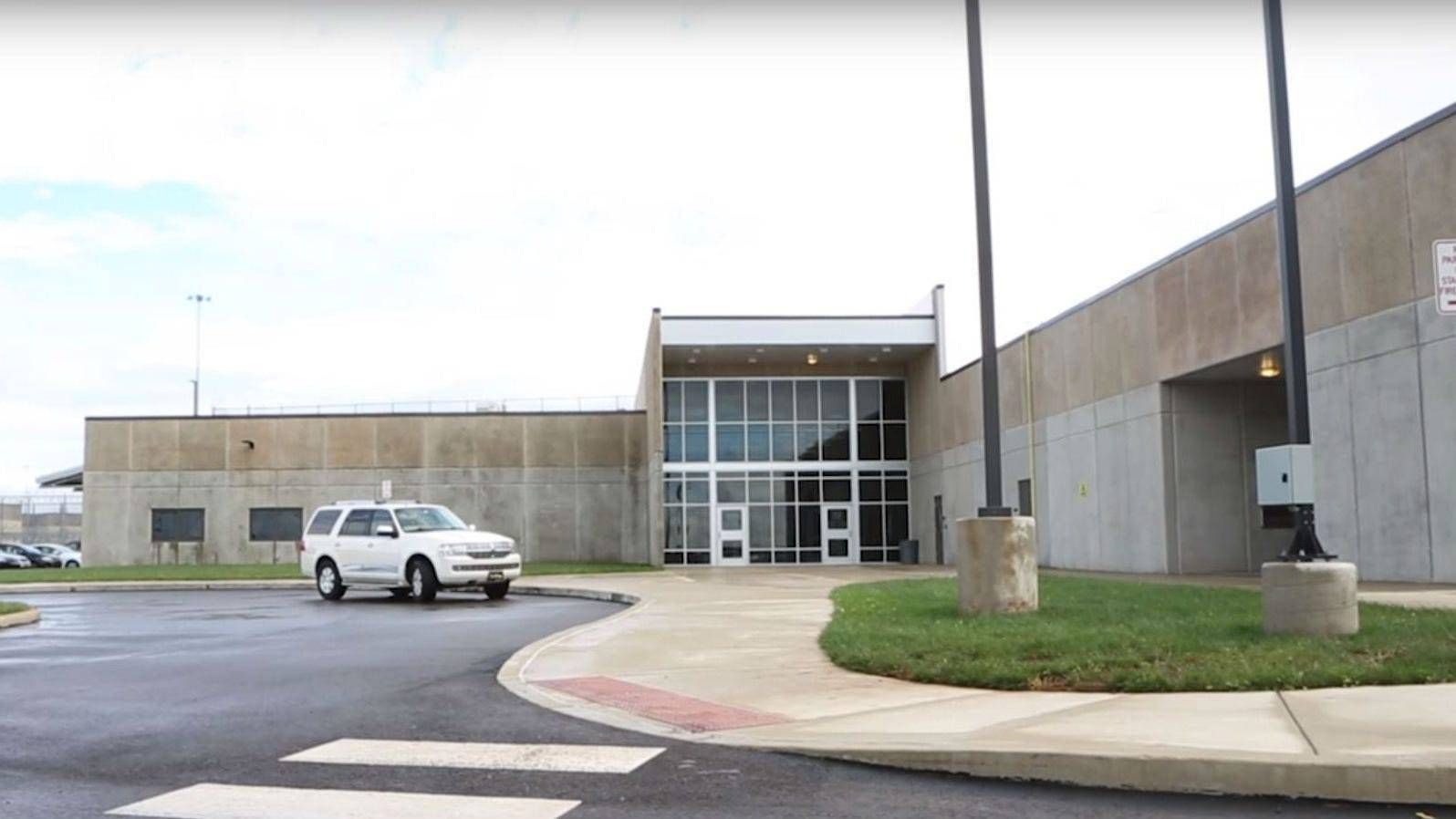
But a new resolution from Senate Republican leader and commission member Kim Ward from York County, also excludes any prisoner whose minimum sentence expires after April 1, 2030 – the date of the next census – which gives the data used to draw the maps.
"I believe that limiting the scope of prisoner reallocation to only those inmates who will be returning home in the next 10 years is a common sense compromise," said Ward.
"Prisoners are in fact, physically located in the districts where they're incarcerated."
State House Democratic leader Joanna McClinton from Philadelphia says the whole point was fairness. She believes if you count an inmate where their serving their sentence, you artificially inflate the voting power of residents in those districts and dilute the voting power of the voters in the prisoner's home district.
"The length of a prisoners minimum sentence does not change this reality," she said.
"The rationale for treating incarcerated individuals as residents of their home communities, rather than the places where they're incarcerated because they do not voluntarily decide to live in those places and cannot in fact, establish a legal domicile."
The commission members from the state legislature have voted along party lines.
Commission chairman and former Pitt Law School Dean Mark Nordenberg once again cast the deciding vote in favor of the resolution, a pattern he says he hopes will end as they move forward.
"A voting pattern that now we have seen, I guess on both of the serious votes that we have taken, a bug that I hope we'll be able to break out of as we move forward," said Nordenberg.
He explained that the Department of Corrections told him about 3,000 of the 37,000 state prisoners are affected by the change.
Officials said they can get the necessary data as needed without slowing down the re-districting process.


