


PHILADELPHIA (KYW Newsradio) — Between 1973 and 1980, the Environmental Protection Agency and the Army Corps of Engineers, both of which enforce the Clean Water Act, defined the water they protected as "waters of the United States."
But since then, both agencies have defined and redefined which "waters" they can actually regulate. Enter: Sackett v. EPA.
The 2022 decision came after Michael and Chantall Sackett tried to build a home on a residential lot they owned near Priest Lake, Idaho. The EPA told them the lot violates the Clean Water Act, as it contains wetlands that qualify as "navigable waters" regulated by the Act.
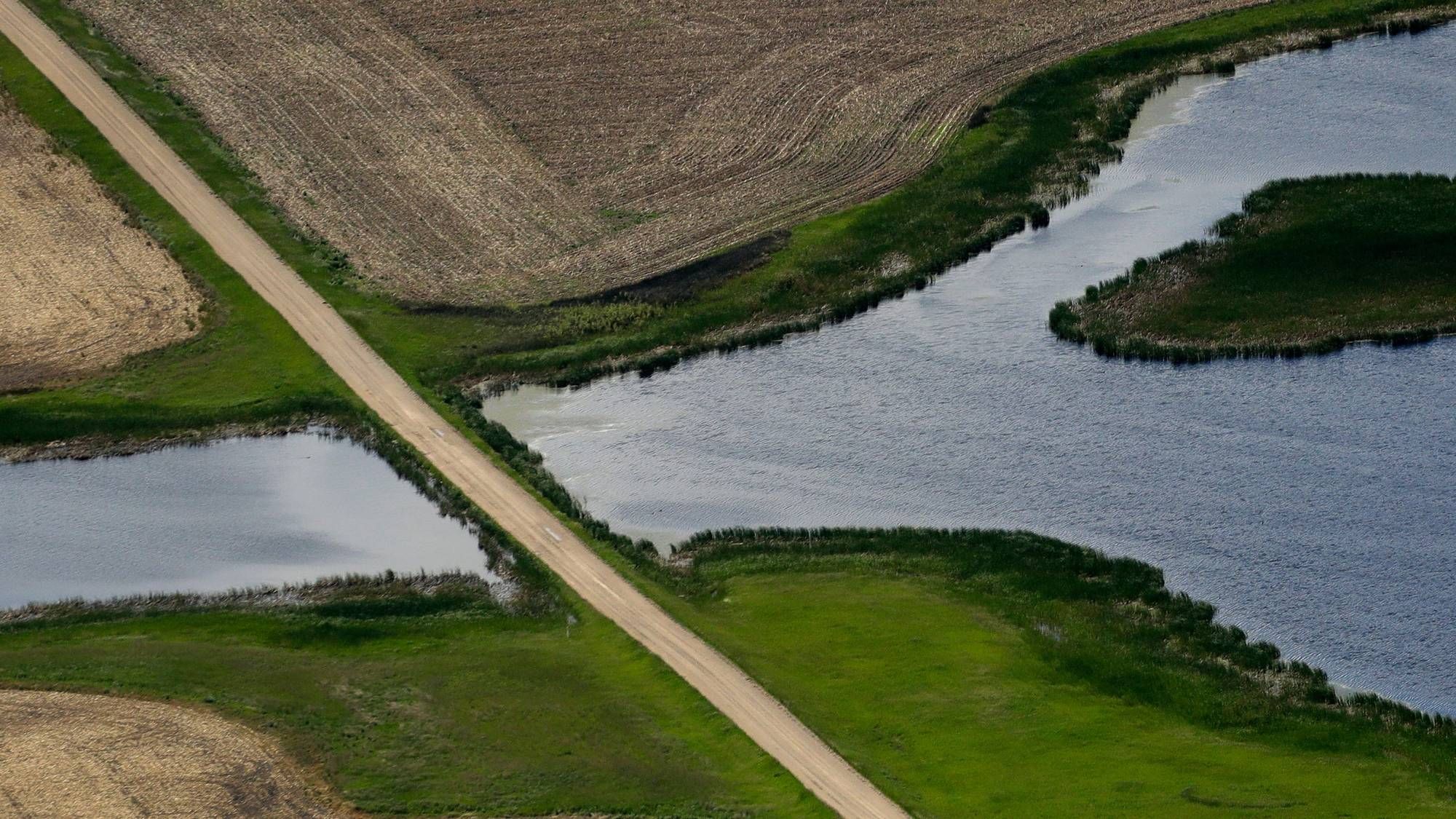
In May, the Supreme Court's 5-4 decision said the Clean Water Act only allows the agency to regulate bodies of water that have "a continuous surface connection" to the waters of the United States, which doesn't include wetlands.
The decision was the second blow to the EPA's authority. Last year, the court limited the agency's power to regulate carbon emissions from power plants.
"We should be thinking about making regulation more efficient, and making it work better," said
Alex Geisinger, a professor at the Thomas R. Kline School of Law at Drexel University. "We can't simply write it completely out of existence to the benefit of a small group of people to the detriment of a large group of people."
Geisinger explains what this decision means for both private property owners and public spaces on the newest episode of KYW Newsradio In Depth.
Listen in the player below or wherever you get your podcasts.