

PHILADELPHIA (KYW Newsradio) — SEPTA doesn't expect ridership to bounce back for a long, long time.
Since COVID-19 hit, SEPTA ridership is down about 65% on city transit and 85% to 90% on the Regional Rail.
"I don't expect our ridership to get back to pre-pandemic levels anytime soon," said General Manager Leslie Richards. "And when I say that, I'm talking the next few years."
Aside from dramatically altered commuting patterns because of remote workers, there's the challenge of convincing people that it's safe to ride the system again.
Richards said SEPTA is changing air filters more often and beefing up air circulation on vehicles. Meanwhile, Drexel University is studying ways to prevent the spread of the virus on public transit.
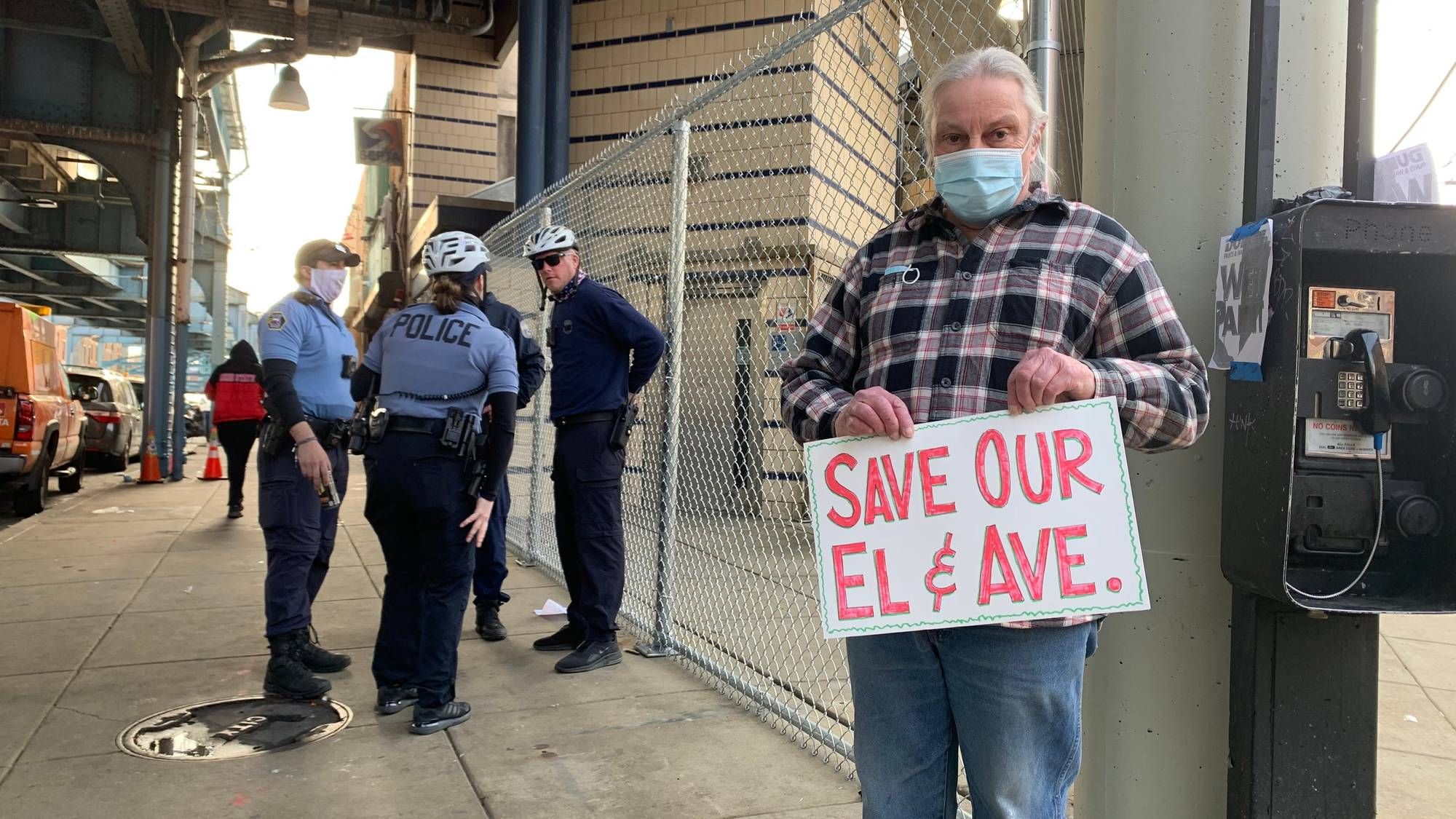
The transit agency also acknowledges the worsening issue of people who are homeless or addicted living in vehicles and stations.
"We're seeing a lot of activities involving injections and drug use," said Richards. "Those were things we did not see in the open before the pandemic."
In January 2020, SEPTA police were called to 546 incidents of people who were unconscious or not alert. In January 2021, that figure ballooned to 2,357. With ridership way down, Richards said there are fewer people to feed those who are panhandling and fewer eyes and ears to discourage drug use.
"This is not a new problem, although the intensity of it is new. We have seen a drastic increase over the last, I would say, two to three months," she added.
Richards said SEPTA is looking at adding two or three members to the two-person teams of transit police and social service representatives, who try to persuade those living on the system into treatment and temporary housing.