

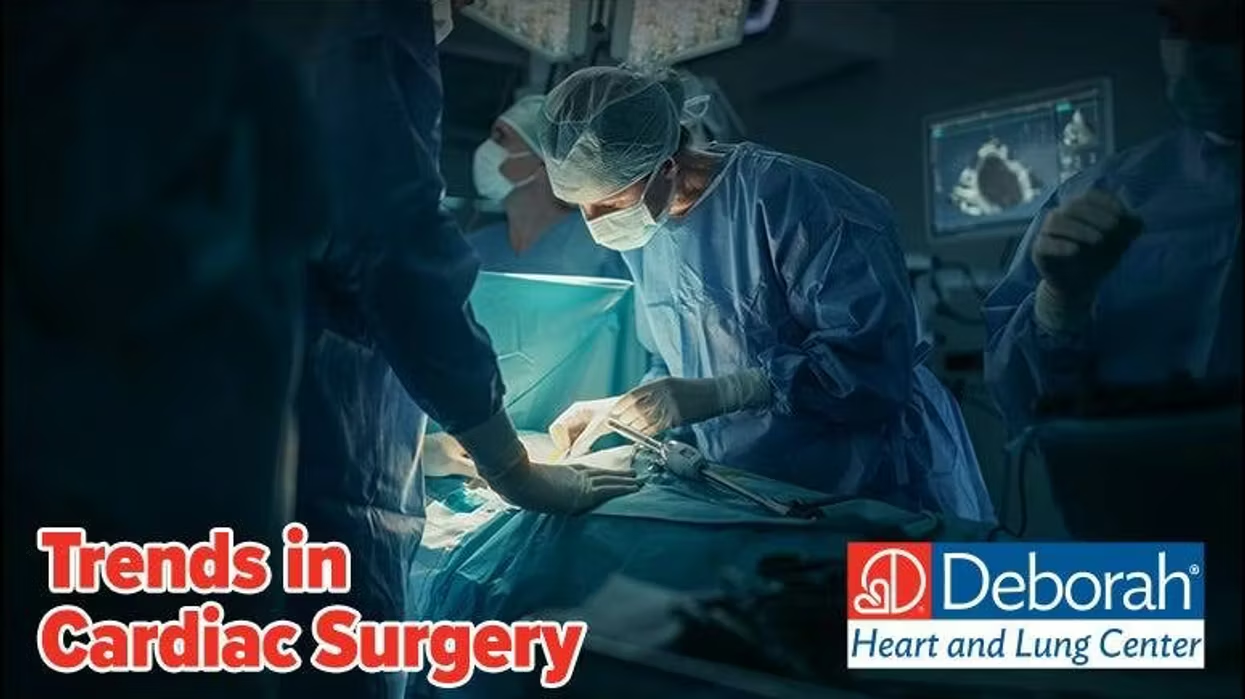

In cardiac surgery it's all about the toolbox: the more tools the better, since every patient comes with a myriad of interconnected issues that impact how a care team customizes treatment.
"As a minimally invasive heart surgeon, we become a structural heart strategist," said Cardiothoracic Surgeon Allen Cheng MD, Chair of Surgery at Deborah.
"Meaning that we have extra tools. We can use open heart surgery for extremely complex cases or a minimally invasive approach if it's say, a valve repair or a double valve repair. We have the transcatheter approach which is very good for patients who cannot tolerate surgery or any anesthetic, or for patients who are very frail; for them a transcatheter approach will be ideal."
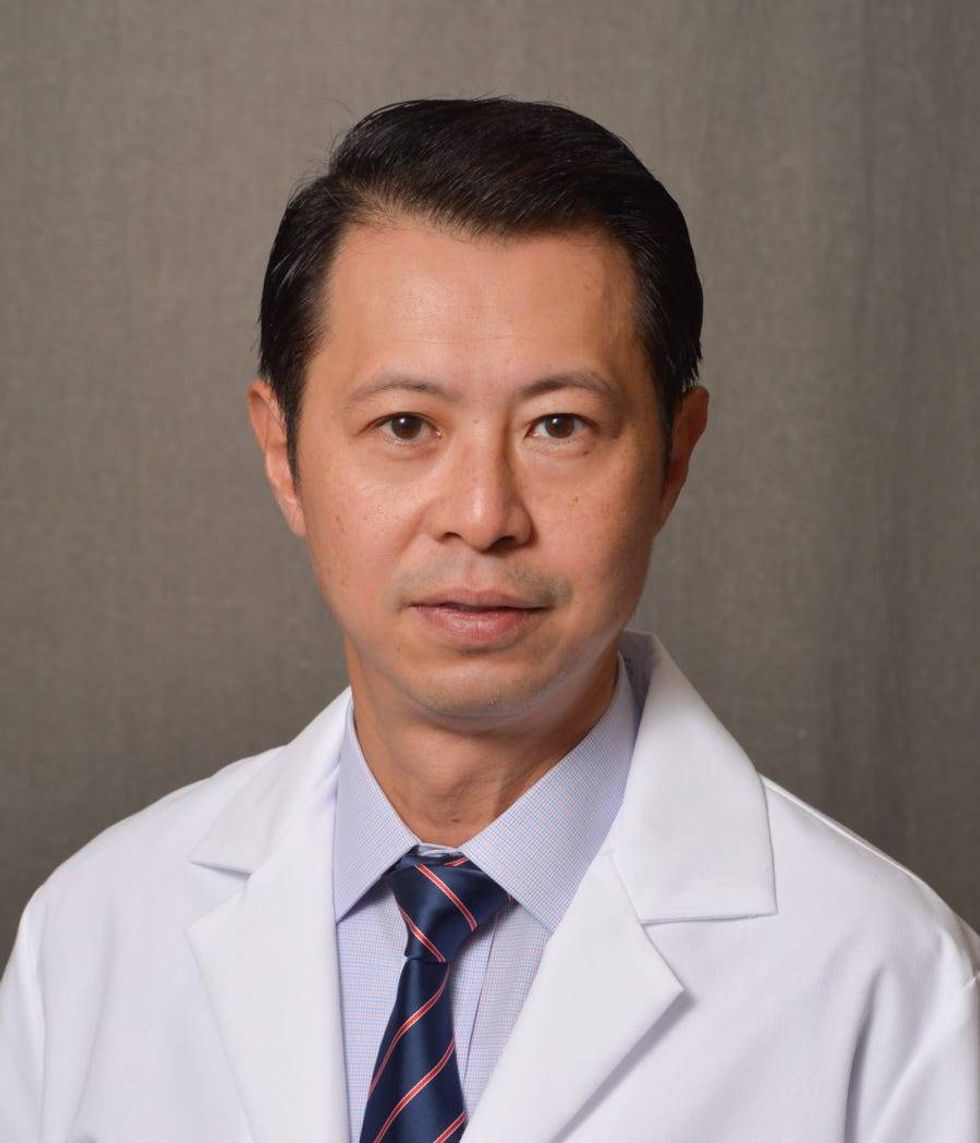 Allen Cheng, MD, Chair of Surgery, Deborah Heart and Lung CenterDeborah Heart and Lung Center
A major trend in cardiac surgery is what's called the "hybrid approach," which can involve applying open and catheter-based approaches in the same surgery session, allowing surgeons and patients "the best of both worlds," according to Dr. Cheng. "It adds to the toolbox that we have."
Another trend in cardiac surgery is the artificial-intelligence (AI) aided explosion in data collection and analysis. The Society of Thoracic Surgeons Adult Cardiac Surgery Database (ACSD) now includes over 8 million procedures across 97% of U.S. cardiac surgery programs, making it the most comprehensive cardiac surgery dataset in the world.
Dr. Cheng and his peers look to every ASCD update for new risk models for procedures, survival tracking, quality improvement, and more.
KYW's Rasa Kaye talks with Dr. Allen Cheng about the hybrid approach – including Deborah's hybrid operating room – and how data is driving the minimally invasive procedure revolution.
To schedule an appointment, visit DemandDeborah.org or call 609-831-4456.
This Health Report is sponsored by Deborah Heart and Lung Center.