


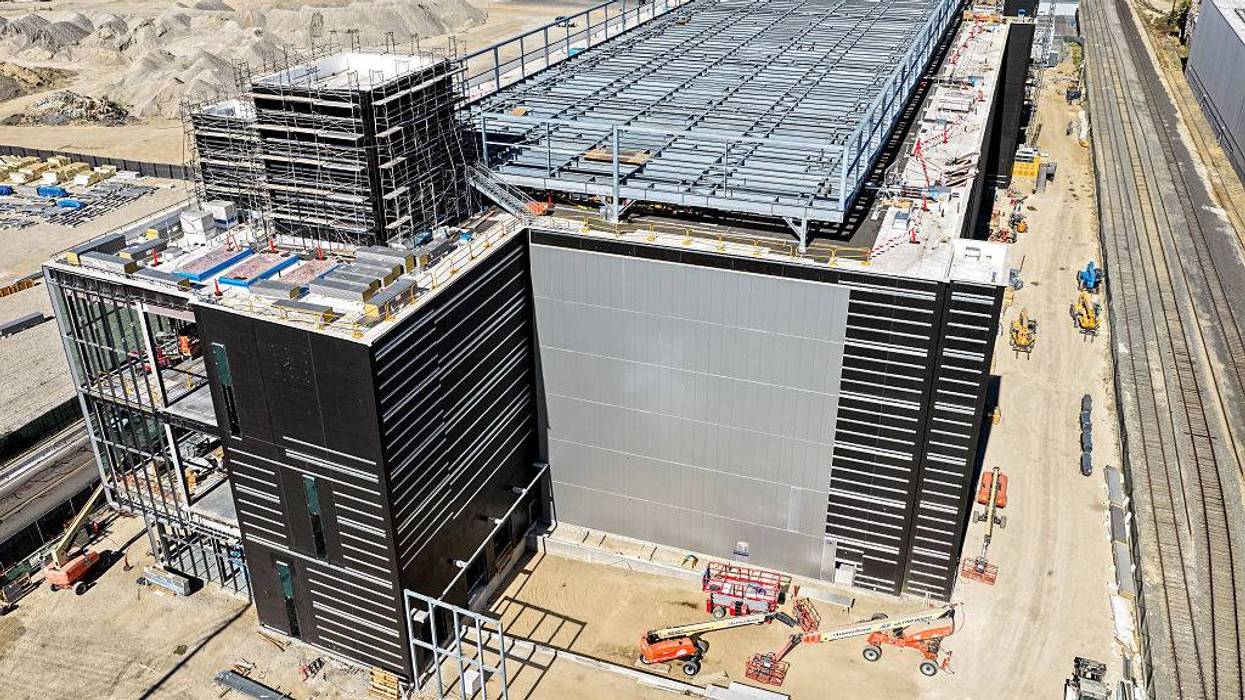

Today, data centers account for around 5.9% of the energy consumption in the U.S. If we fast forward to 2035 – not even a decade in the future – that’s expected to nearly quadruple to around 20%, according to new research from BloombergNEF.
Already, growth in the artificial intelligence field is putting stress on electric grids, said Bloomberg. When 2035 comes along, data center power needs are expected to hit 194 gigawatts, up 83% compared to BNEF’s December forecast.
Just one gigawatt is equal to the capacity of a nuclear reactor and could power 750,000 homes, Bloomberg explained. Some data centers, which help power digital services from streaming to cloud storage and AI chatbots, use more than one gigawatt continuously, such as Meta’s 5GW data center in Louisiana, per Reuters.
Annually, data centers around the U.S. are using terawatts (trillions of watts) of energy. Of course, as more data centers are built that will only increase.
“Every coal plant, every gas plant, every solar farm in the U.S. – one unit of energy out of five generated by them is going to data centers,” said Lloyd Arnold, an analyst at BNEF and one of the authors of the new report. “So that’s the same energy that's going to be going into powering electric vehicles, powering cities, et cetera.”
According to independent electricity marketplace Electric Choice, there are more than 4,500 data centers using 176 terawatts per hour (TWh) in the U.S. and 700 data centers under construction. Electric Choice also provides a map of where these data centers are located, though the Pew Research Center has noted that there is no federal registration requirement for data centers.
Based on its Electric Choice’s data, here are the states with the most centers using the most power:
1.Virginia – 665 facilities, 24 TWh per year
2.Texas – 413 facilities, 17 TWh per year
3.Illinois – 244 facilities, 12 TWh per year
4.California – 321 facilities, 11 TWh per year
5.Arizona – 190 facilities, 10.5 TWh per year
6.Georgia – 162 facilities, 9 TWh per year
7.Ohio – 203 facilities, 7.5 TWh per year
8.Oregon – 168 facilities, 6.5 TWh per year
9.New York – 155 facilities, 4.5 TWh per year
10.North Carolina – 115 facilities, 4.5 TWh per year
While they don’t use as many terawatts per hour as these states, Florida (135 centers), Iowa (115 centers) and Washington (142 centers) all have more than 100 data centers. Every state in the nation has multiple facilities, per the Electric Choice map.
BNEF’s report said that the record amount of data center capacity that can get connected to the grid is 7.1 gigawatts in a single year. At that pace, analysts project a 19-gigawatt shortfall by 2035 “under the base-case scenario despite additions of on-site gas generation, assuming that demand is served from the on-site gas pipeline,” said Bloomberg.
Although growth in AI and of data center locations is expected, polls consistently show that Americans are wary of AI in general and have an overall negative view about data centers. Pew Research Center data from earlier this year found that half of Americans were concerned about the increased impact of AI on their daily life.
This spring, seven in 10 Americans oppose constructing data centers for artificial intelligence in their local area, according to Gallup polling. Just this week, a poll from RedFin found that 53% of U.S. residents oppose building a data center in their area and another poll from POLITICO, 41% of Americans would oppose a data center being built within three miles of their home, up from 28% in January.
“It’s rare to see political attitudes change this fast in an era where they are often quite static and partisan,” said Seb Wride, head of polling at Public First, which partnered with POLITICO to conduct the survey.
Gallups’s data indicates that those opposed to data centers have a variety of concerns, from environmental issues and excessive water use to air and noise pollution. Proponents typically cite economic benefits, and Redfin noted that areas where data centers are concentrated in Virginia have been benefitting via tax dollars used to fund education.
Bloomberg said that political opposition to data centers and permit freezes by local governments are obstacles for developers of the facilities going forward.


