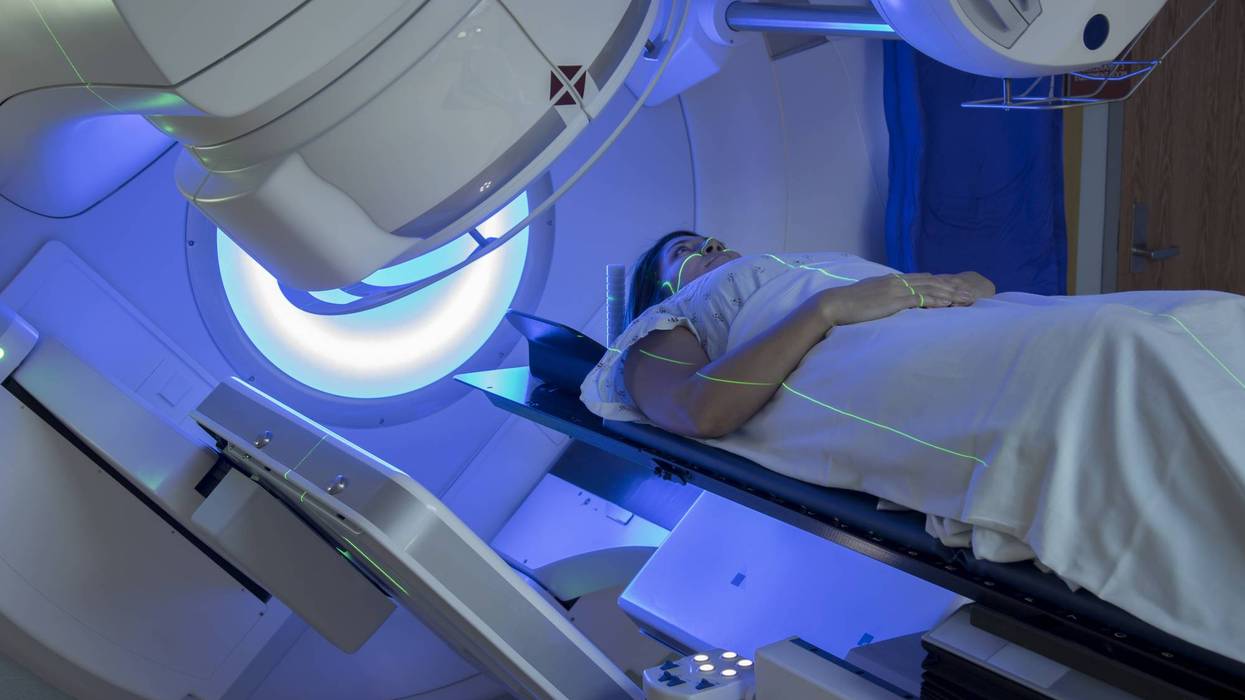

Cancer cases worldwide could double in the next 25 years if action isn’t taken to strengthen prevention and early diagnosis, according to a new report from the World Health Organization.
There are already an estimated 20.6 million new cancer diagnoses around the world annually, per the Global Status Report on Cancer 2026, produced with the International Agency for Research on Cancer (IARC) a specialized WHO agency. By 2050, the WHO is predicting that number to rise to almost 35 million.
At the current rate, there are 26,000 global deaths from cancer every day, adding up to nearly 10 million each year. That makes cancer the second leading cause of death worldwide, behind cardiovascular disease.
Those two leading causes of death are mirrored in the U.S., where new data about the death rate was recently released by the U.S. Centers for Disease Control and Prevention. Although the American Cancer Society announced earlier this year that the survival rate for all cancers combined reached 70% for the period from 2015 through 2021 – a record-breaking feat – cancer deaths in the U.S. still increased in 2025 compared to 2024, according to CDC data.
The WHO’s new report indicates that survival rates around the world differ “sharply” between wealthy and poor nations. For example, 87% of women diagnosed with breast cancer survive for at least five years in high-income countries, compared to around 42% in low income countries.
In an interview with Audacy station KCBS Radio earlier this year on improved cancer survival rates in the U.S., Dr. Bill Dahut, chief scientific officer for the American Cancer Society, explained some of the contributing factors.
“I think for those cancers that we can screen for, we are definitely finding those cancers earlier. And I think really the improvement in therapies has really been spectacular…” said Dahut. “New therapies available, much more targeted therapies. And for the population at large, you know, having less tobacco use has really led to a decrease in cancer mortality. So those three things have been actually really important.”
According to the WHO’s new report, progress has been made in tobacco control, vaccination and cancer prevention, worldwide. However, millions of people continue to face major inequalities in access to life-saving care.
“Cancer is a deeply personal disease that touches nearly all of us. But whether a person survives cancer should never depend on where they were born or what they earn,” said WHO Director-General Dr. Tedros Adhanom Ghebreyesus, he added that “the inequities documented in this report are not inevitable; they are the consequence of choices, and they can be reversed through stronger and unified action.”
Of all types of cancer, lung cancer is the leading cause of cancer death worldwide. When cases are broken down by men and women, lung, prostate and colorectal cancers are the most common among men, while breast, lung and colorectal cancers “account for a large share of cases among women,” said the United Nations in a summary of the WHO report.
“WHO estimates that nearly four in 10 cancer cases are linked to preventable risk factors, including tobacco use, alcohol consumption, obesity, physical inactivity, unhealthy diets and infections such as human papillomavirus (HPV) and hepatitis B and C,” said the organization.
Looking to the future, it stressed the need for prevention efforts. Dr. Elisabete Weiderpass, director of IARC, said that experts are already seeing reductions in some counties where prevention policies have been implemented.