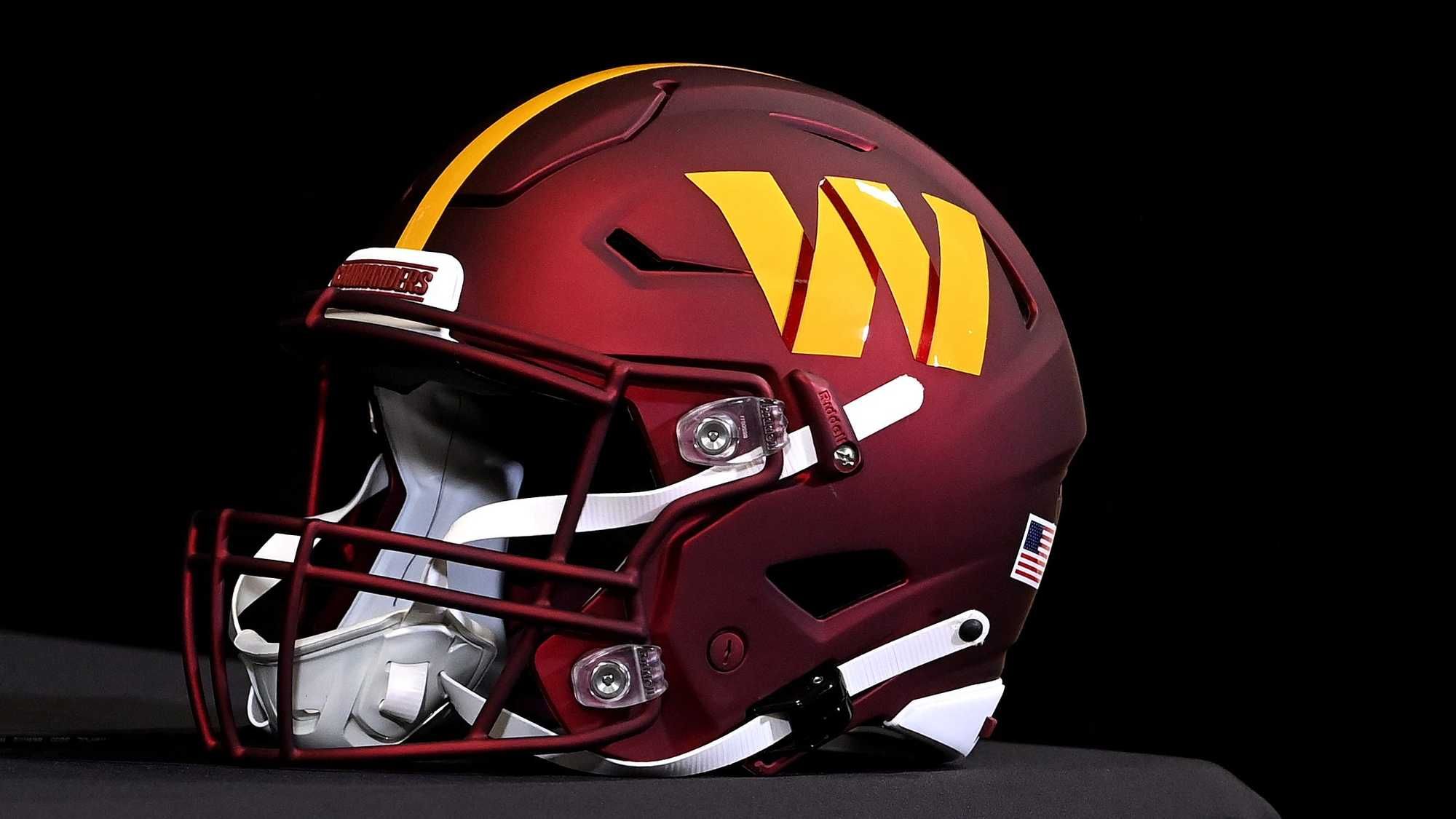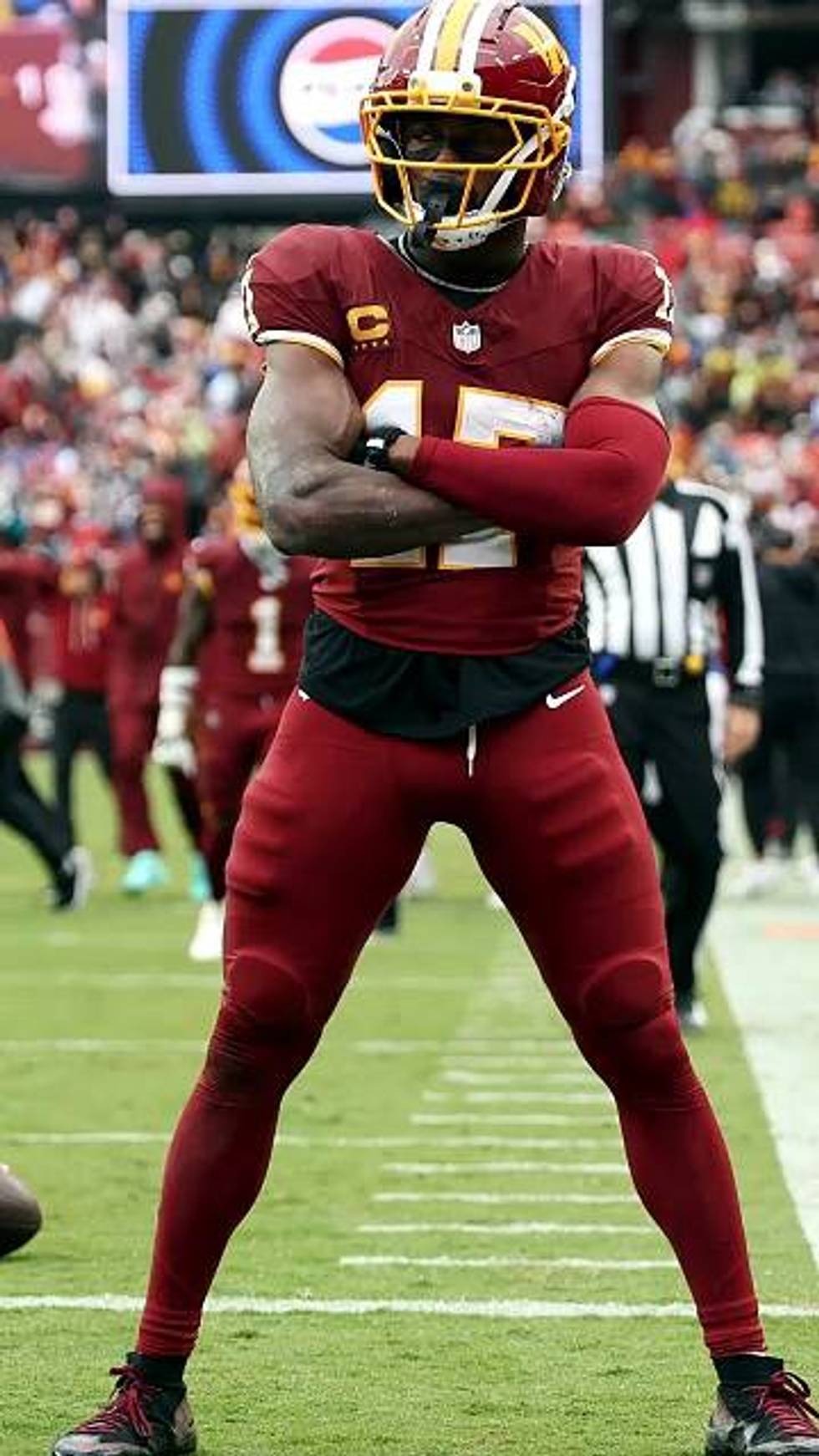

The Washington Commanders are losing support, from fans and politicians, as they look to chart out the destination of their next stadium.
That's according to one Virginia state senator, Chap Petersen (D-Fairfax), who has withdrawn his support for a bill that would help finance a new stadium in the commonwealth.
One of Petersen's primary concerns is that the team is trending downward in popularity in the region, something that makes him worry about the long-term viability as a whole when considering whether taxpayers should be making a long-term investment by funding a stadium.
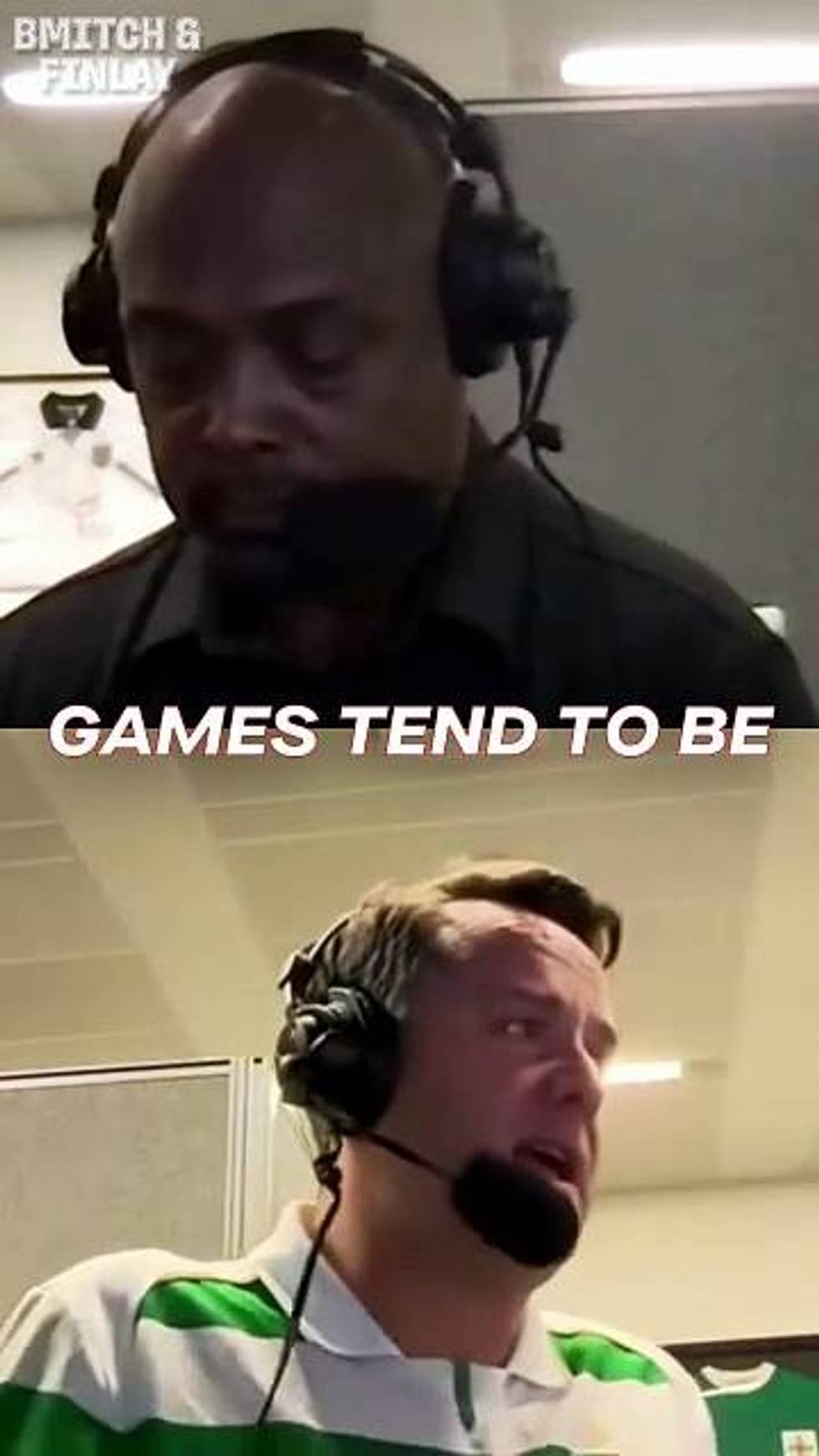
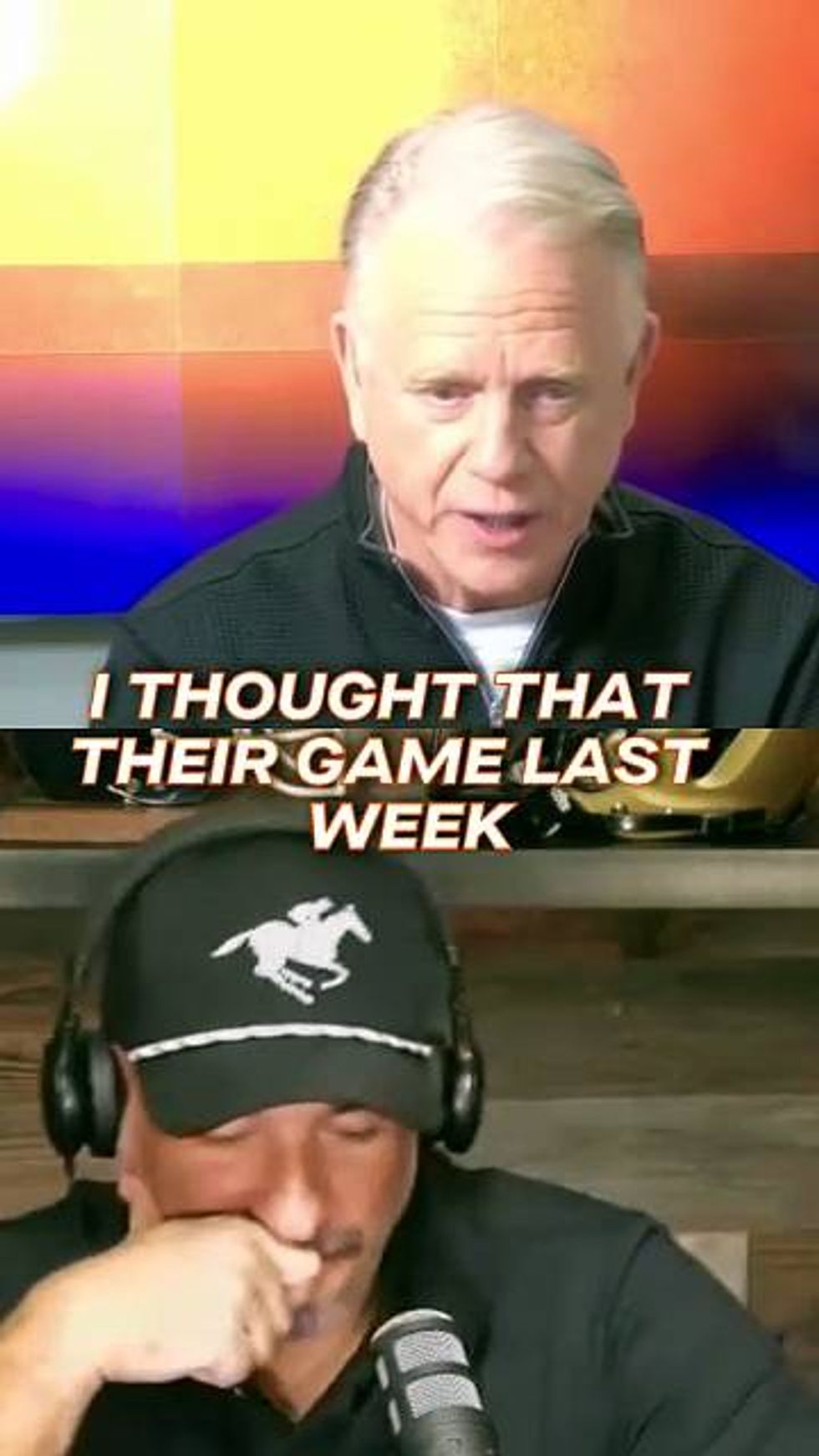
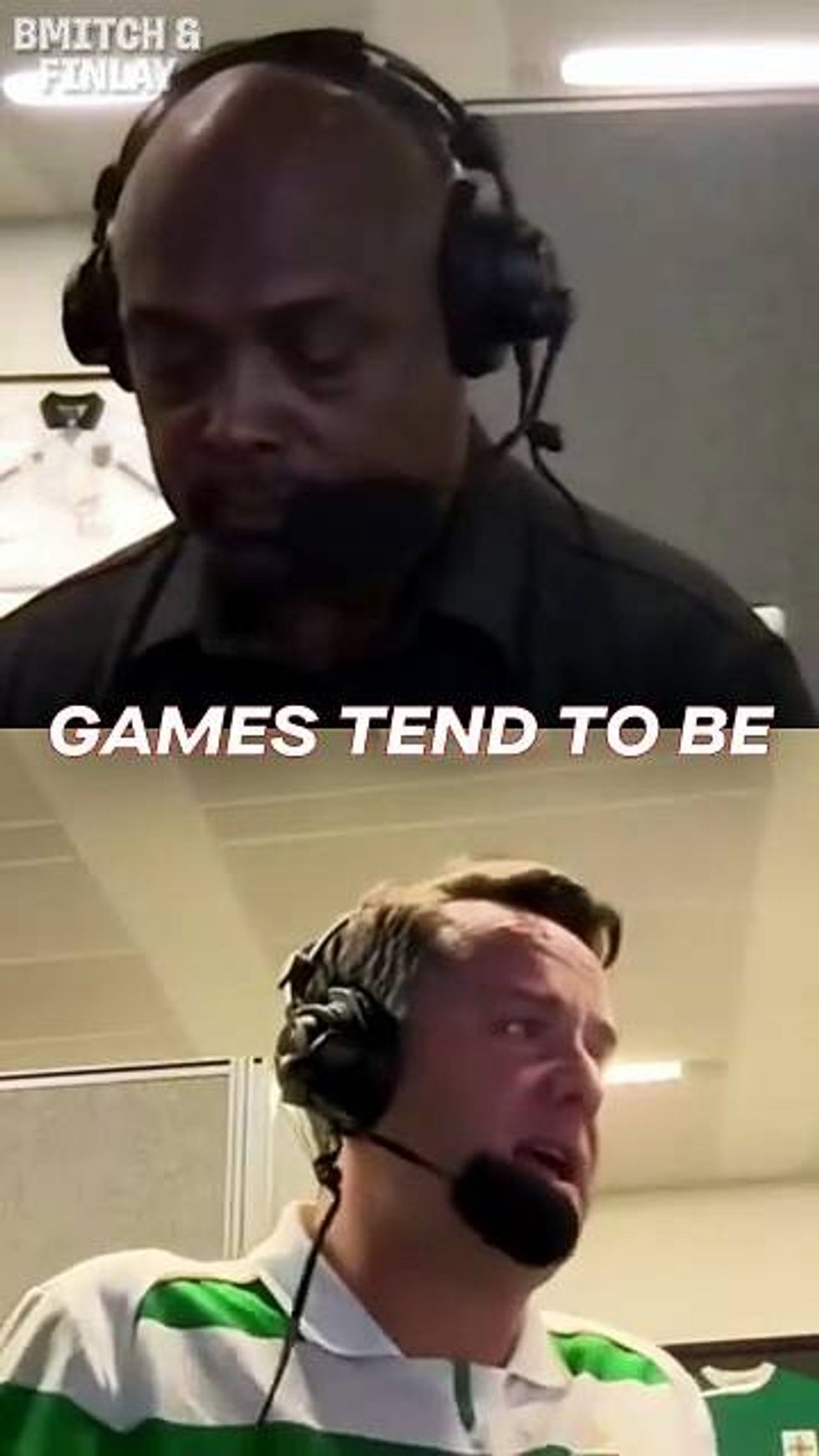
In an interview with 106.7 The Fan's Brian Mitchell and JP Finlay, Petersen divulged that the Commanders were unable to produce objective metrics proving their popularity in the area, furthering his skepticism about the team's apparent dwindling fan engagement.
Essentially, if Petersen — a former Washington Redskins season-ticket holder — was seeing fans wearing Commanders gear in public regularly, he could live with the lack of metrics proving the team's popularity footprint. But he's seeing neither the numbers proving their popularity nor that real-world engagement, a double red flag, in his view.
Editor's Note: Below is an abridged version of the Q&A conducted on the air by BMitch & Finlay, with the questions paraphrased to be more concise. All of Petersen's responses appear in full and in quotations. You can listen to the interview in full above.
To people who would say this is a state senator who withdrew his support because he doesn't like the new name, how do you respond to that?
"Well, it's not that I don't like the new name. I mean I don't care. The problem is the team has no brand. It has no identity. And you're asking the Commonwealth of Virginia to enter a long-term economic relationship with a team that effectively has no brand. This was not a question of whether I like it or don't like it. Look, if the team was called the 'Washington Lions' or what have you, and they're playing and getting 75,000 fans in the stadium every day, my opinion doesn't matter. I mean if they're out selling merchandise, if they're out selling season tickets, box seats and everything, who cares about my opinion? I mean the team, if they can show objective criteria, objective metrics that they're a popular team, that they've got the TV ratings, that they've got the season ticket sales, that they've got the attendance — my opinion is irrelevant. But they don't have any of that. So what they're asking us to do is say, 'Well, we don't have any of that right now, but we're gonna grow, we're gonna step into that,' and I just haven't seen any evidence of it. So when I say this team, they don't have the history of the Washington Redskins, they don't have the tradition of the Washington Redskins, they don't. I mean, granted, that's my opinion, but I think it's a pretty solid opinion."
You question the viability of the Commanders organization. I have a tough time with that. The worst NFL franchises in the world are still viable. They're making hundreds of millions of [dollars].
"When I say viable, I look at a team that has been losing attendance. I look at a team that's been losing market share. I look at a team that's been TV ratings tracking down for years. And I look at a team that does not — in my opinion — have a recognizable brand. And, again, you're asking the Commonwealth of Virginia to enter a long-term agreement with this team. And, sure, an NFL franchise on its face is gonna be worth two, three, four billion dollars. I get that. But that team could be anywhere. They could be in D.C., they could be in, I don't know, Vegas, they could be wherever. My concern is if we do a long-term deal with this team, what's the proof that they're gonna be still the same team in 10 years? I mean, do we know? What's the proof they'll have the same ownership in 10 years? Do we know? I mean there's so many variables, and it's not like the deal we did with Amazon. Amazon could show that they were growing market share. Amazon could show that they were growing in popularity. I mean when they said, look, we're gonna create 2,000 jobs, we could feel pretty confident about that. Can we feel confident about this? Those are the type of metrics that I'm talking about."
Do you think it is as easy as: if the organization starts to win again, the metrics would turn around? Or do you believe it's something broader than that?
"I think it's a little bit broader, and this may be where it's, again, more my opinion. And again, I grew up rooting for the Redskins going back to Billy Kilmer, Chris Hanburger, I mean the old school guys. I actually sat next to Charley Taylor and Bobby Mitchell at a welcome home luncheon about four years ago, and I couldn't imagine. I mean I've met presidents, and I've never been more excited to meet people. My point is that what that team meant to the community I don't think will ever be duplicated. Now, okay, I'm living in nostalgia. I get that. But even moving forward, you want to have a team that: 1) they have popularity in terms of getting people in the seats, in terms of TV ratings, in terms of all of that; 2) you know, you're making an investment with a team like this, you want to feel some type of engagement. And this is more sort of amorphous and it's harder to put a number on it, but I just don't feel the engagement. And, again, if I didn't see the numbers but I felt the engagement, I'd say, 'You know what? Let's take a chance.'"
What do you feel can be changed to make you feel that engagement? Because you're not the first person I've heard. I'm talking about people in the decision-making position like you are, and people that have a lot of money, they've made that comment and that's something I never heard around this team when I first got here.
"I'm not saying anything that people haven't been saying for the past two, three, five years. It's just for me, I just felt the need to speak publicly. Look, I was a season-ticket holder for 22 years. My last year as a season-ticket holder, my law firm had club seats. It cost me I think $14,000. And you know what? I was willing to do it because I've made a couple nickels in my career and I loved taking people to Redskins games and that was kind of our identity. And people like that, you just don't find much anymore. And people have sort of moved on, and nobody really wants to talk about it, you know, because everybody wants to hey, positive, and it's an NFL team. We want an NFL team. And I get that, okay, and if it was a franchise sort of expansion team, it may be different. But the problem is, you've got this legacy of the Redskins that nobody wants to talk about, but that legacy is not part of the current package anymore. And that's what makes it to me so difficult, because if it was the old legacy, then of course. You'd be like this is a team that the community identifies with, it brings people together. But that team sadly doesn't really exist anymore."
Let's drill down on that idea of an expansion team, because some of your concern is the metrics. But municipalities make deals with expansion teams that have no metrics. And some of it is believing in the overall product, right?
"Right. JP, that would be the irony. The irony would be: Would it be almost more palatable to do this with an expansion franchise than with the current franchise? And, let's face it, the answer to that may be yes."
If Dan Snyder no longer owned the Commanders, would you support a new stadium?
"I'm gonna keep my options open on that, JP. I don't want to say one way or the other. I think, again, this team needs a reboot. If that's what the reboot is, then I think we'd have to take a second look. I'm not committing one way or the other. I'll just leave it at that."