

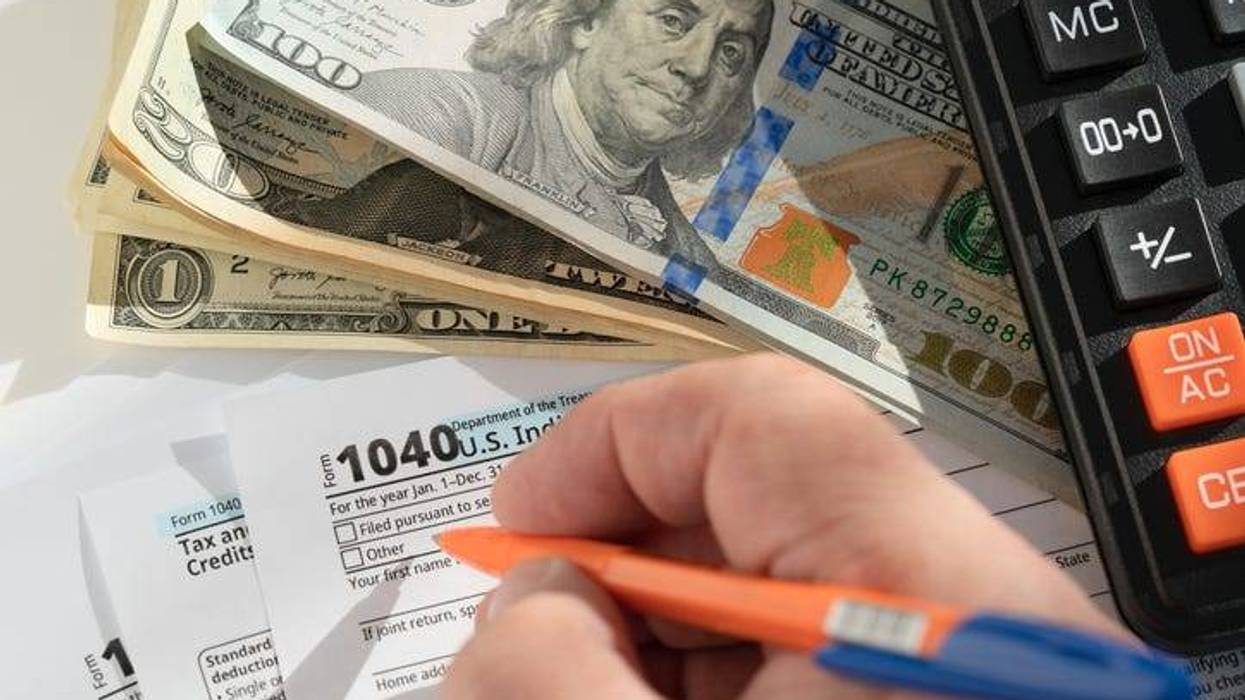

April's tax deadline is coming up soon, which means that many Americans will be getting some sort of refund. So, what should they do with that extra money?
First, they shouldn't think of it as "extra money," according to Bill Ulivieri, owner of Cenacle Capital Management. He joined WBBM Newsradio's Rob Hart on the Noon Business Hour this week.
"I think we have to just change our frame of mind because it isn't a windfall, it's not like a holiday bonus," Ulivieri told Hart. "It's just money you overpaid the government without receiving any interest in return."
While the idea of using that refund for a little splurging might seem fun, Ulivieri suggests putting it to work strengthening your overall financial health. That could start with paying down credit cards, especially ones with high Annual Percentage Rates (APR).
"I always ask people to look at their credit card balances, pay down the interest on the outstanding balances that are between 15 and 20% APR," Ulivieri said. He added that there's no investment that can yield 20% like paying down those balances, because every month the fees are taking thousands of dollars that could be used for savings or investments.
Another way to make your refund work for you is to put it in an emergency fund. However, Ulivieri says just putting it in a checking account, like many people do, might not be the best option.
That's because, while inflation creeps higher, the money in those accounts isn't earning much interest, if any. Money that's in a high yield savings account earning 4% to 5% is a better option, and Ulivieri said it would beat most investments.
"It's not sexy, it's not fun, but you know… have three to six months of expenses saved and just put it there… in a high yield savings account," he said.
Then, there's the investment option. Ulivieri suggested Roth IRAs for those new to investing as well as exchange-traded funds (ETFs).
"There's no bad time to begin," said Ulivieri of investing.