

Lincoln's midsize luxury SUV gets the design, technology, and space right. The harder question is whether the Black Label is worth nearly $86,000 when a carefully equipped Reserve can deliver many of the same features.
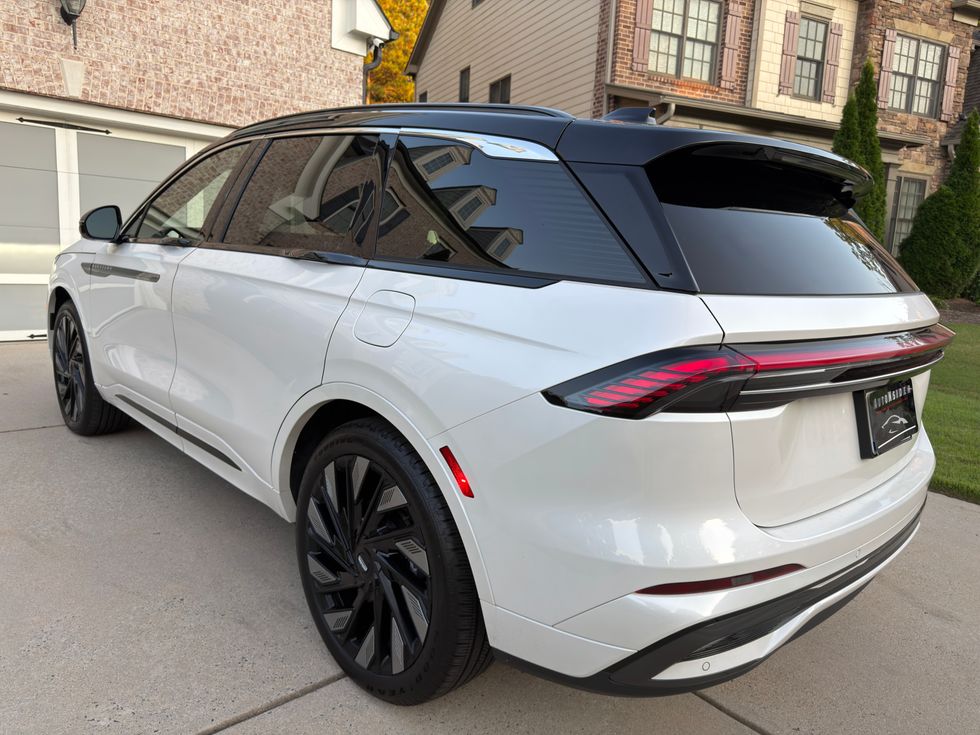
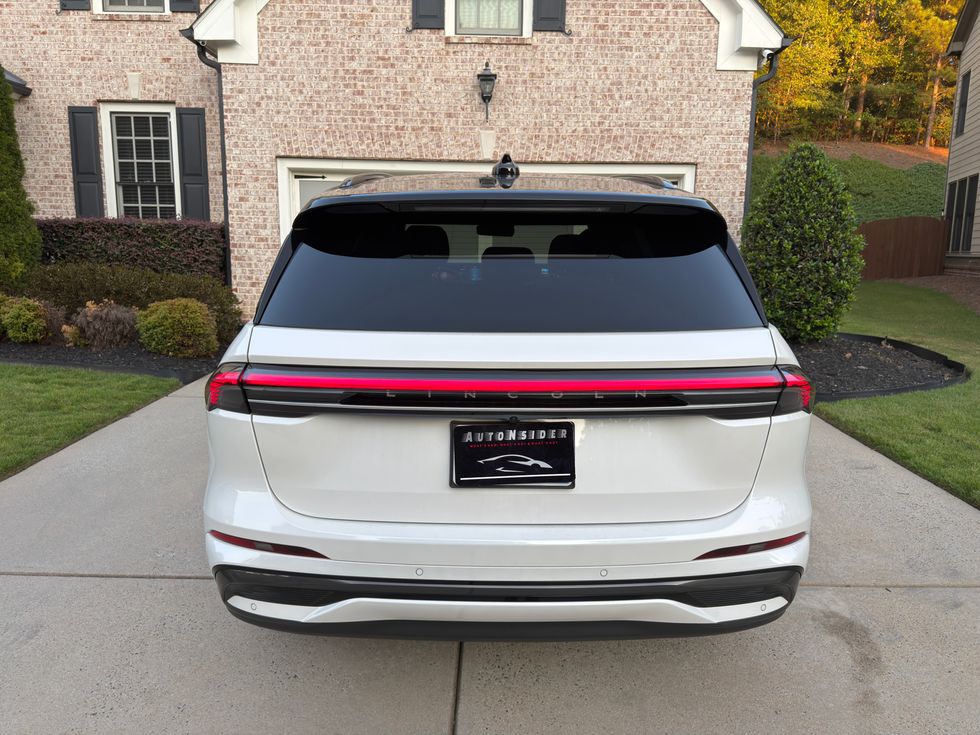
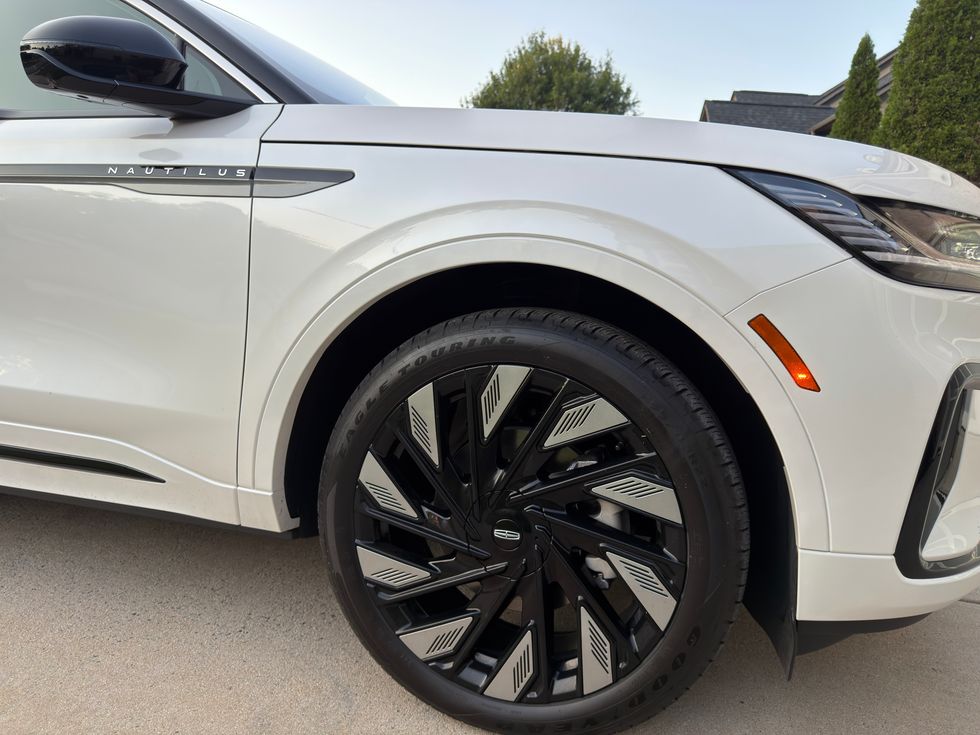
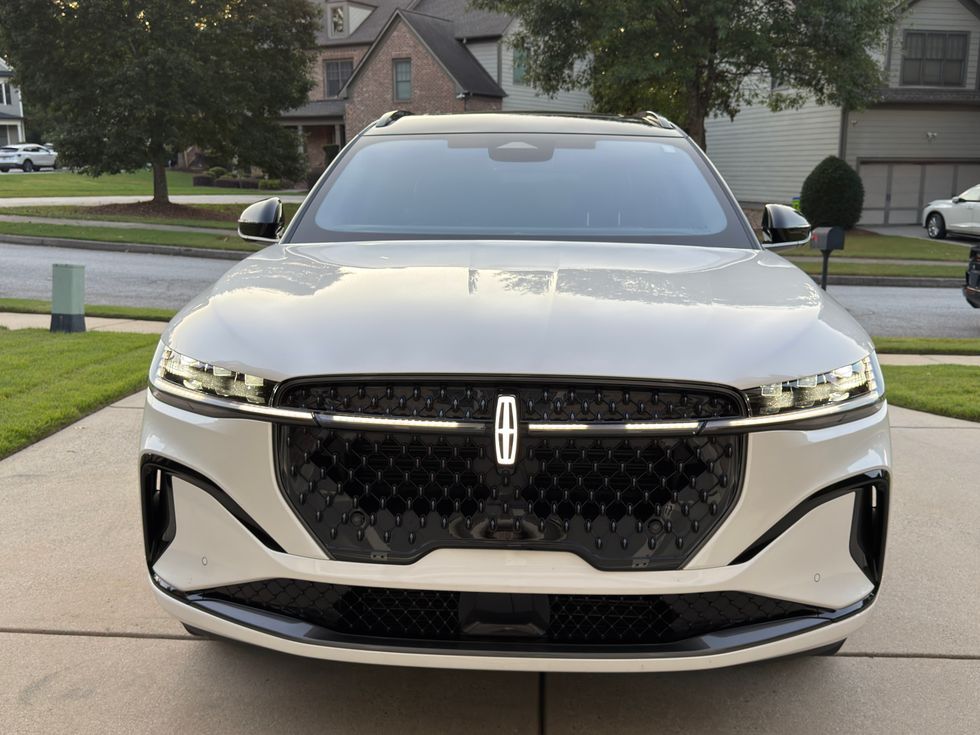
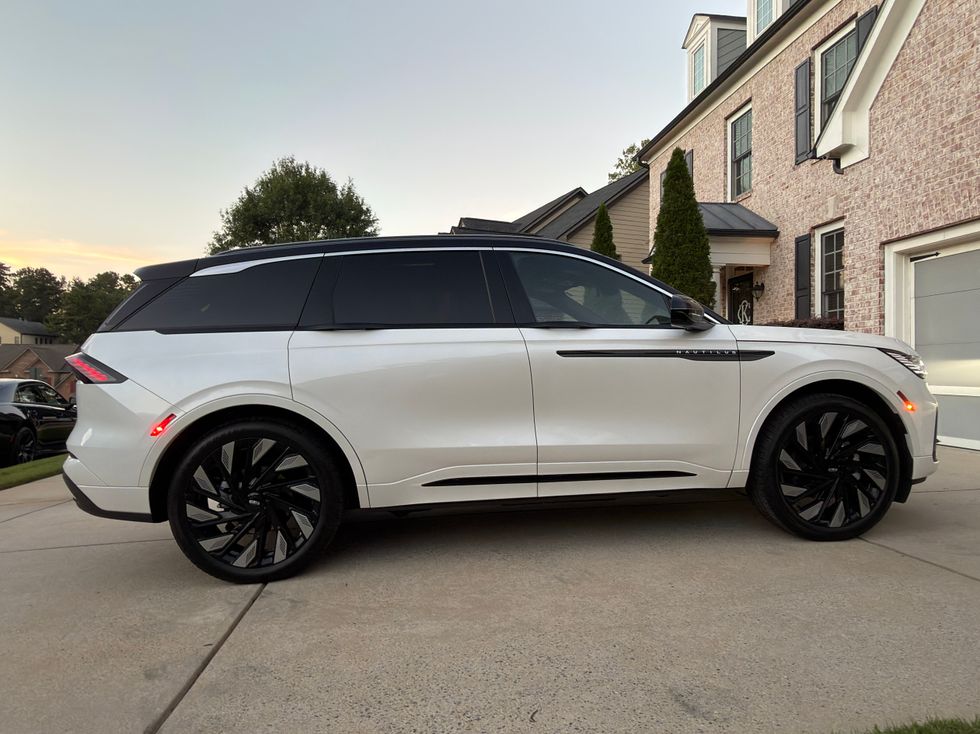
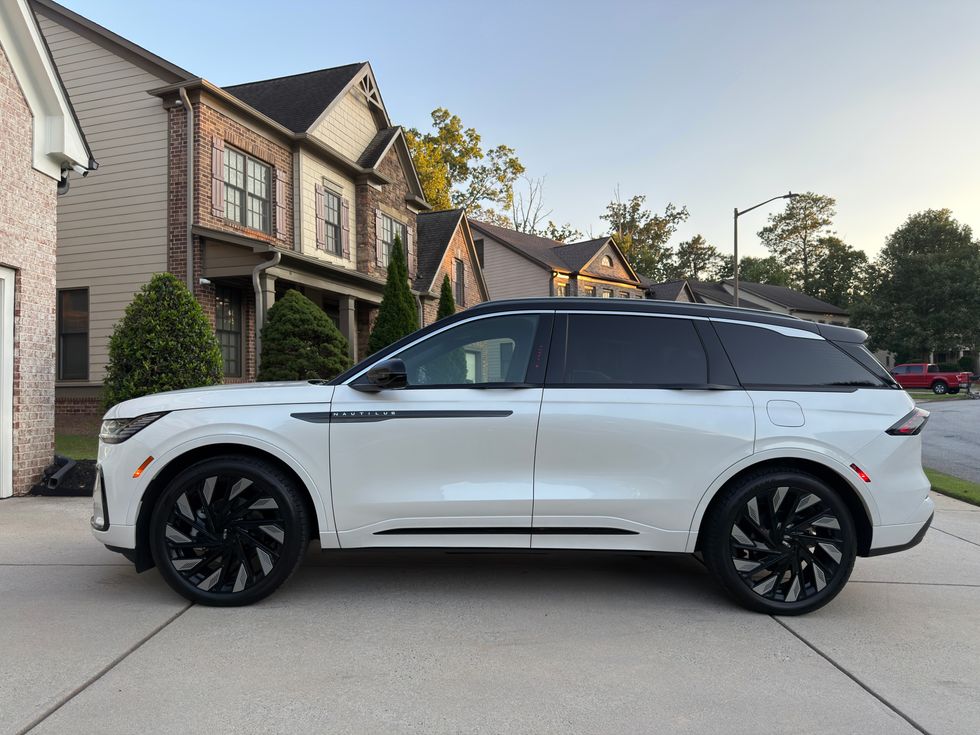
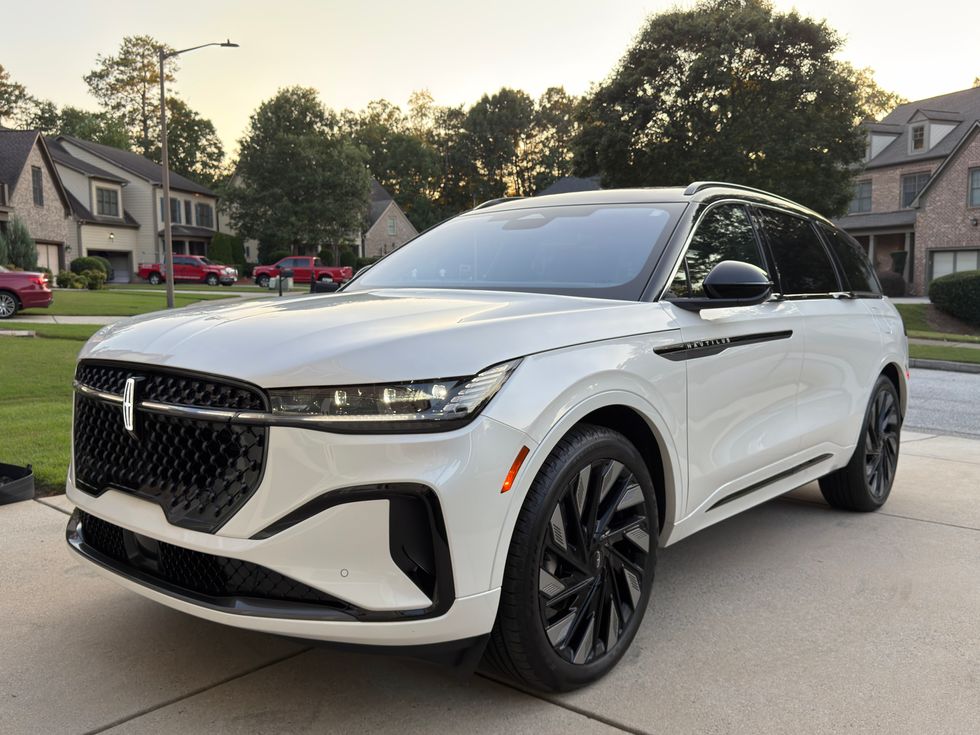
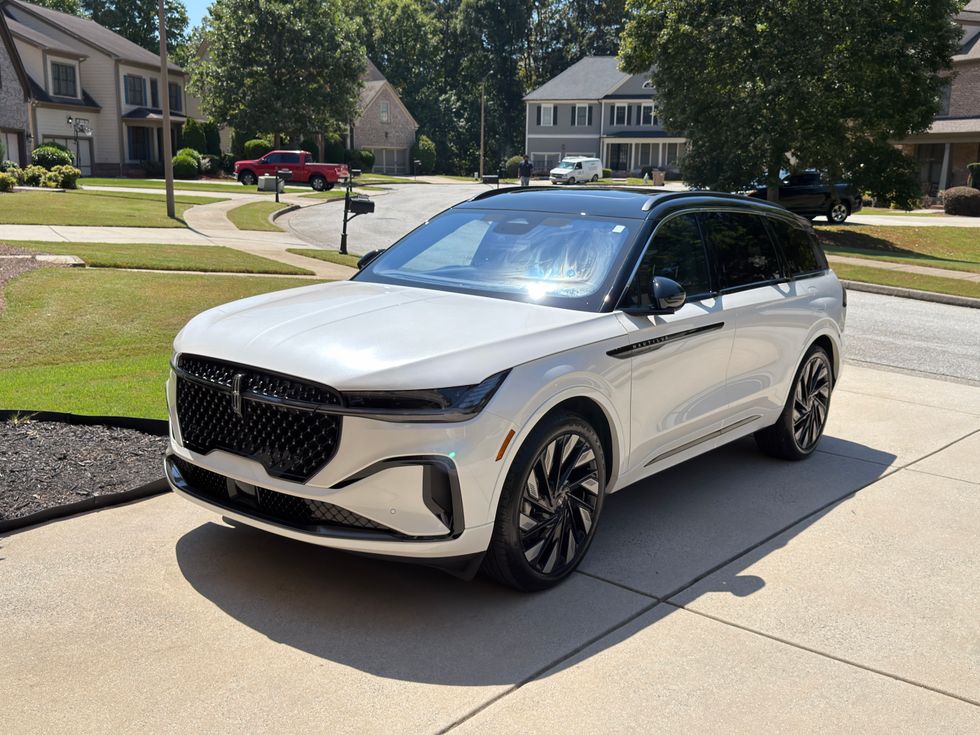
I have liked the direction Lincoln has taken with its recent SUVs. The current Nautilus is one of the best examples. It has a sleek shape, a clean profile, and the kind of European influence that makes it look more expensive than many people may expect from Lincoln. My White Platinum test vehicle added a black roof, dark exterior details, and 22-inch wheels through the Jet Appearance Package. It looked modern without trying too hard to look aggressive.
 Daryl Killian
The Nautilus also lands in a useful middle ground. It is large enough to feel spacious, but it does not feel oversized in a parking lot. The seating height worked especially well for me. At this stage of life, I appreciate a vehicle that does not force me to drop down into the seat or climb up into the cabin. The Nautilus was easy to enter, easy to see out of, and comfortable for everyday use.
 Daryl Killian
My test vehicle was a 2026 Lincoln Nautilus Black Label with all-wheel drive and the hybrid powertrain. Its window sticker came to $85,875. That price turns a good luxury SUV into a much harder buying decision.
Test Vehicle Specifications
| Item | Test vehicle |
| Model | 2026 Lincoln Nautilus Black Label AWD |
| Powertrain | 2.0-liter turbocharged four-cylinder hybrid with CVT |
| Output | 285 total system horsepower |
| EPA fuel economy | 29 mpg city, 31 highway, 30 combined |
| Exterior | White Platinum Metallic Tri-Coat with Jet Appearance Package |
| Interior | Aurora theme with Allura Blue seating surfaces |
| Key equipment | 48-inch panoramic display, 24-way massaging front seats, Digital Scent, 28-speaker Revel Ultima3D audio, BlueCruise |
| As-tested MSRP | $85,875 including $1,595 destination charge |
| Final assembly | Hangzhou China |
The Screen Is Huge, but It Works
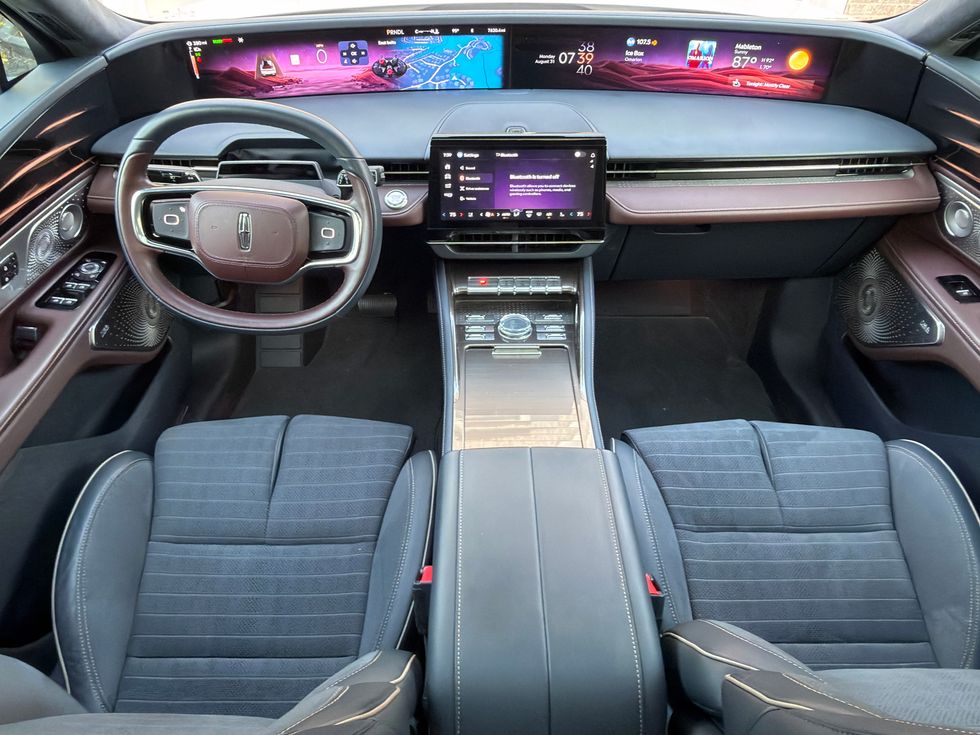
The first thing most people will notice inside is the 48-inch panoramic display stretching across the dashboard. I originally wondered whether Lincoln had gone too far. Traditional Lincoln buyers may look at that much screen and see more technology than they want. I understand that reaction because the display dominates the cabin.
 Daryl Killian
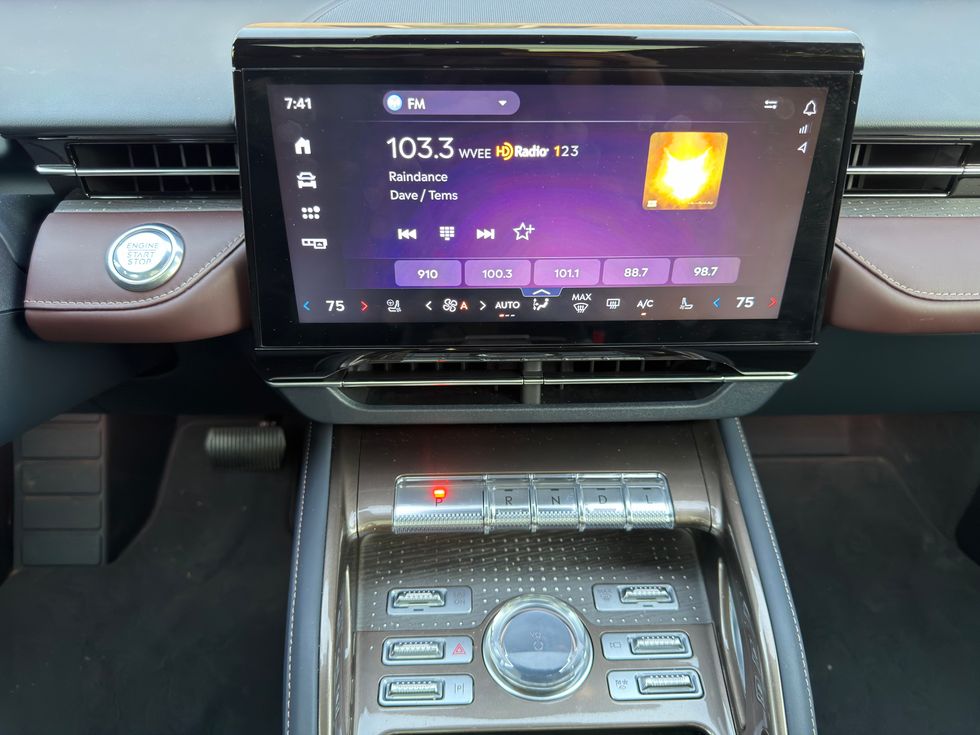
After I adjusted the layout and text size, my opinion changed. The screen puts useful information high in the driver's line of sight, and the content can be configured so it doesn't feel like one long wall of clutter. Speed, navigation, media, and vehicle information are easier to read without looking far away from the road. It still has an 11.1-inch center touchscreen for the controls you need to touch directly.
 Daryl Killian
The system requires some setup and patience. Once I had it arranged the way I wanted, it felt less like a gimmick and more like a thoughtful way to present information. Buyers who dislike complicated interfaces should spend time with it before buying, but they shouldn't dismiss it after the first five minutes.
A Spacious Cabin With One Personal Reservation
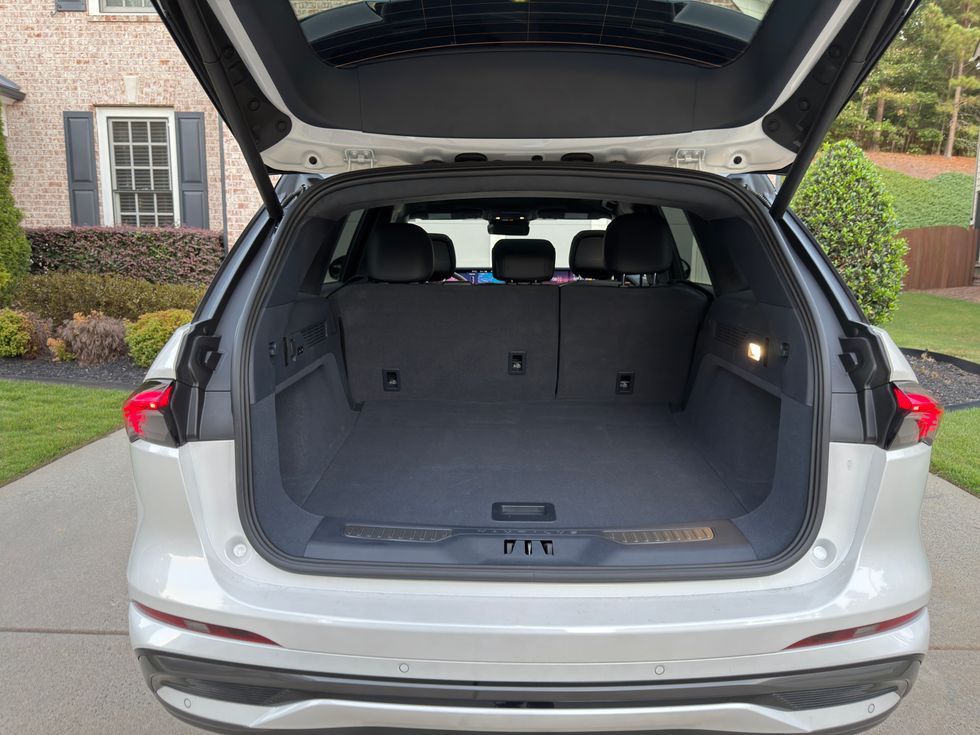
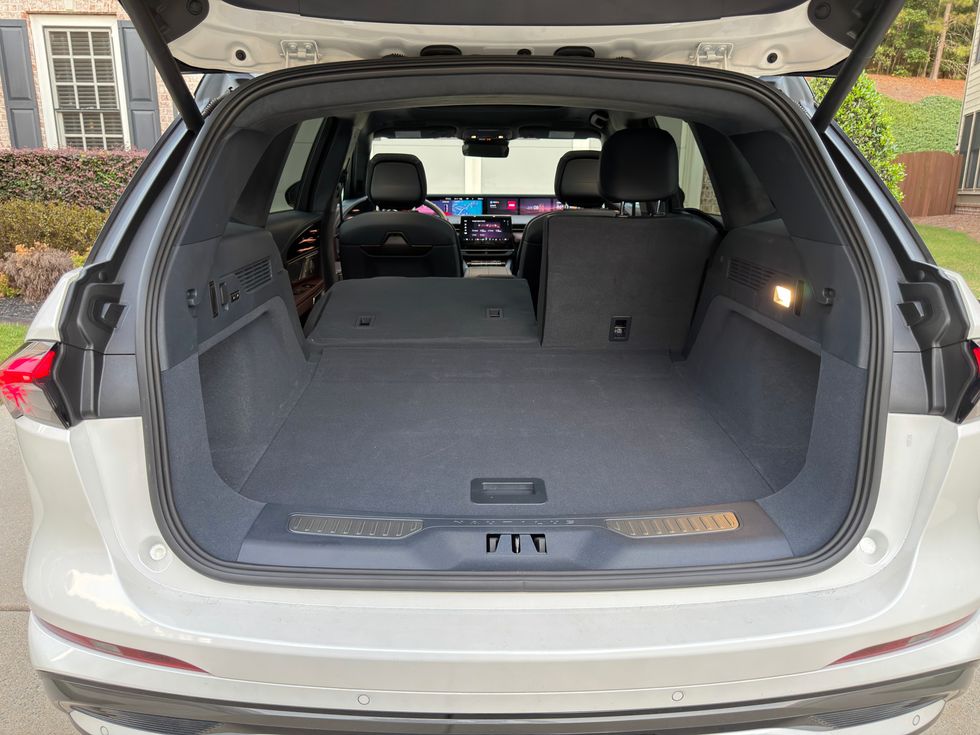
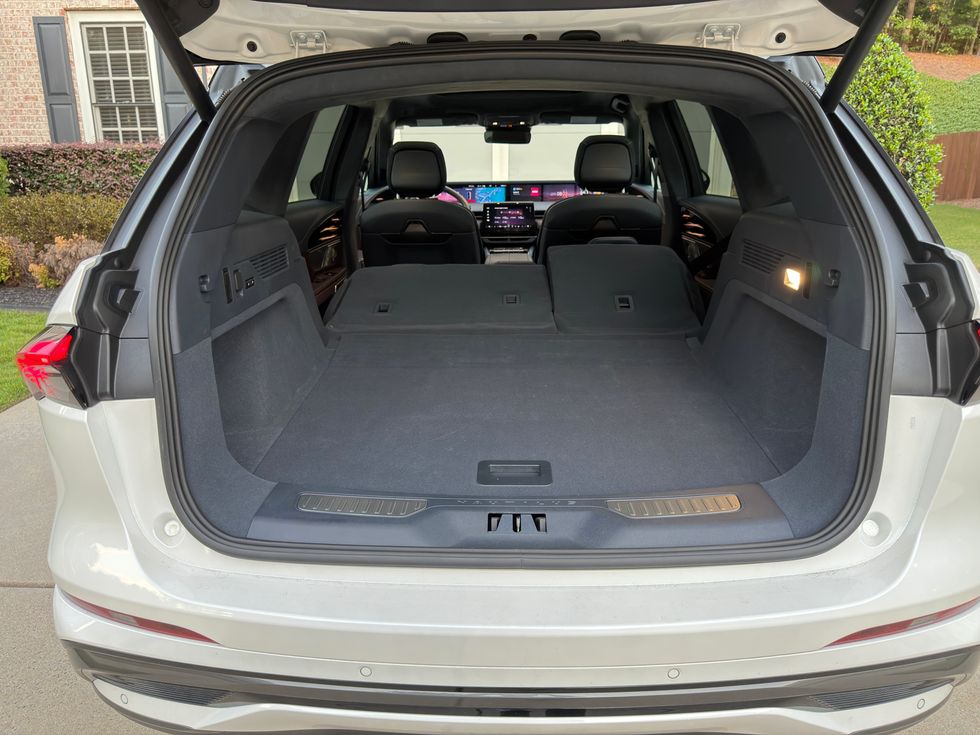
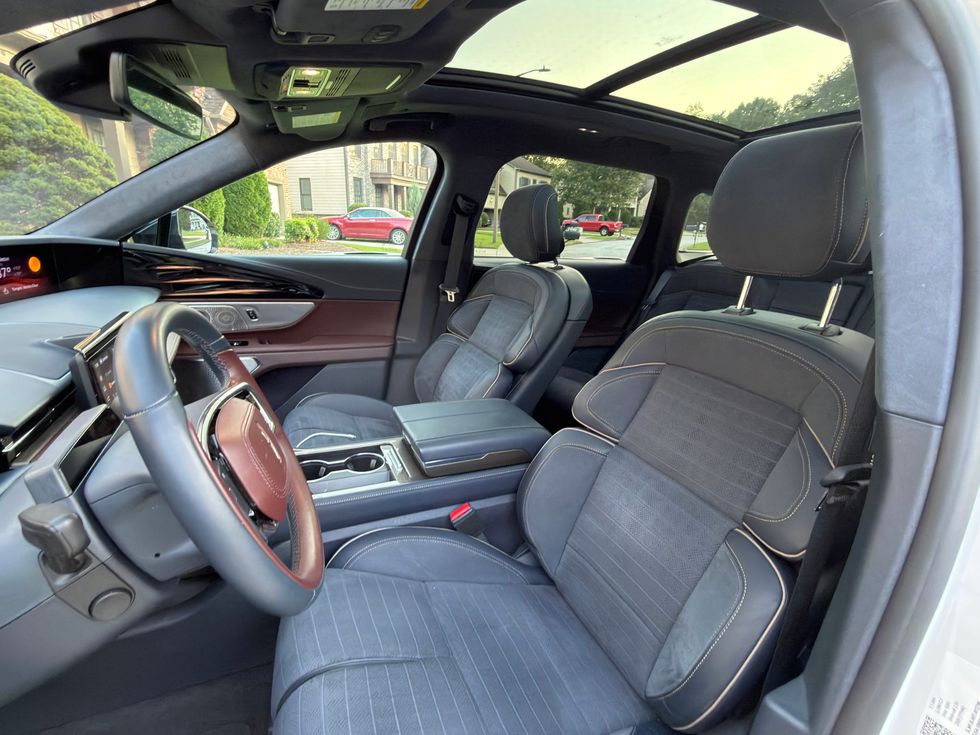
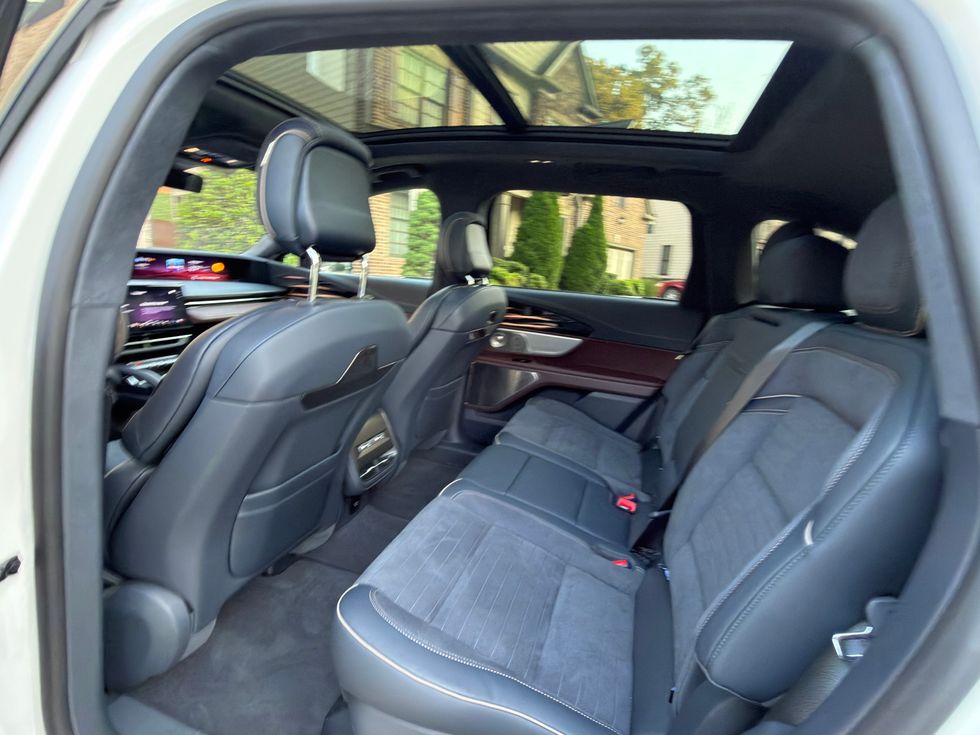
The panoramic roof brings a lot of light into the cabin, and the power sunshade lets you control how open the interior feels. Rear seat space is generous. Lincoln lists 43.1 inches of rear legroom, which helps the Nautilus work for adults in both rows. Cargo volume is 35.2 cubic feet behind the second row in Reserve and Black Label models, so this remains a practical two-row SUV rather than a design exercise with limited usefulness.
 Daryl Killian
 Daryl Killian
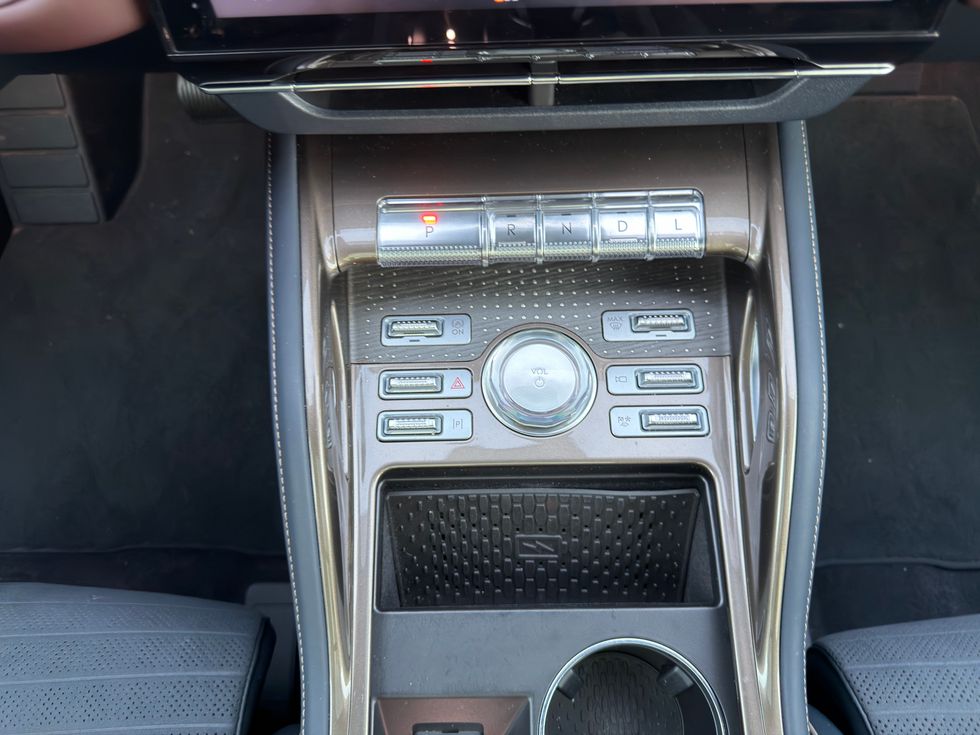
Fit and finish were generally strong, and I liked the colors in the Aurora interior. The Allura Blue surfaces, copper accents, and wood trim gave the cabin a distinctive identity. Still, some of the textures reminded me of the blue interior in my Aunt Helen's 1978 Pontiac Grand Prix. That is not a complaint about assembly quality. It is a personal reaction to the way some materials looked and felt. At nearly $86,000, I expected every surface to feel more special than it did.

The same tension showed up in the seats and ride. The 24-way Perfect Position seats provide almost endless adjustment, including separate thigh support and Active Motion massage. My wife liked the massage and lumbar support more than I did. I could find a good position, but the seat cushion felt firmer than I expected from a Lincoln. The ride also transmitted more of the road than I wanted, even with the adaptive suspension. The 22-inch wheels in the Jet Appearance Package likely contributed to that impression.
I liked the Nautilus more after a week with it, but at nearly $86,000, I wanted softer seats, a calmer ride, and materials that felt special everywhere I touched.
Hybrid Power Fits the Nautilus
The available hybrid combines a turbocharged 2.0-liter four-cylinder engine with electric assistance for 285 total system horsepower. It is not trying to turn the Nautilus into a performance SUV. The appeal is smooth response, quiet operation, and better fuel economy. The EPA estimates 29 mpg in the city, 31 on the highway, and 30 combined.
That personality fits the vehicle. The Nautilus moves with enough confidence to merge and pass, while the electric assistance helps it feel responsive in normal traffic. Buyers seeking the sharp acceleration and handling of a BMW X5 may want something else. Buyers who want a quiet luxury SUV that can return about 30 mpg have a stronger reason to consider the hybrid.
Lincoln also includes the driver assistance technology expected at this price. My test vehicle had a 360-degree camera, adaptive cruise control, lane centering, blind spot monitoring, automatic emergency braking, and four years of BlueCruise hands-free highway capability. The technology is useful, but it should support an attentive driver rather than replace one.
Digital Scent Massage and Rejuvenate
Lincoln is trying to separate the Nautilus from other luxury SUVs through comfort features that engage more than one sense. Digital Scent uses replaceable fragrance cartridges to add a selected aroma to the cabin. Lincoln Rejuvenate can coordinate the display, lighting, seat massage, and available scent into a short relaxation experience while the vehicle is parked.
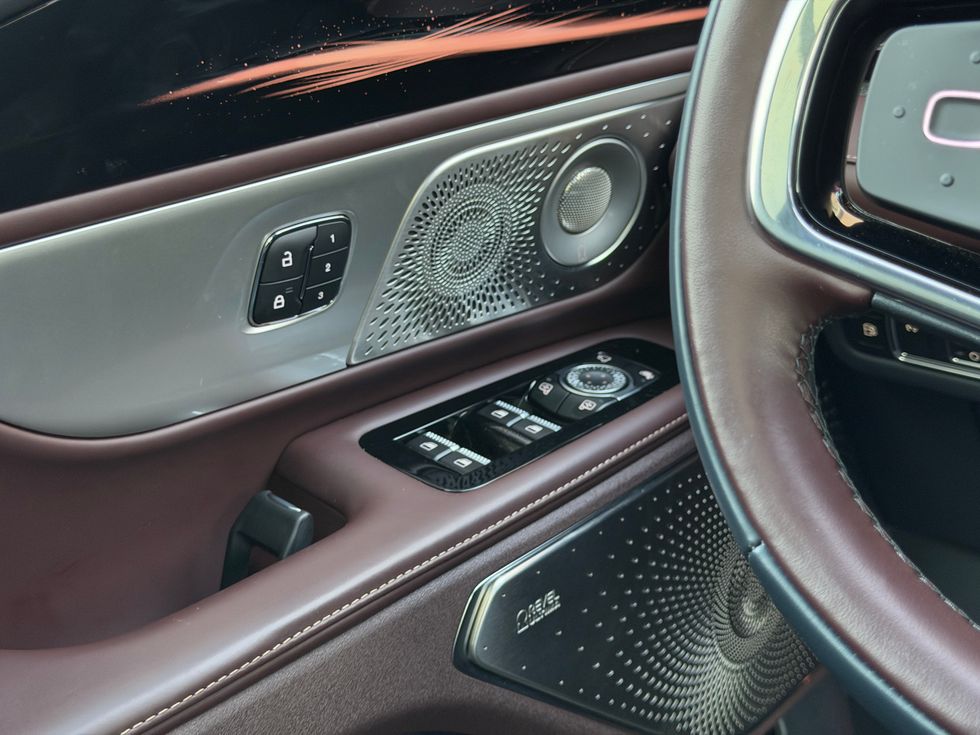
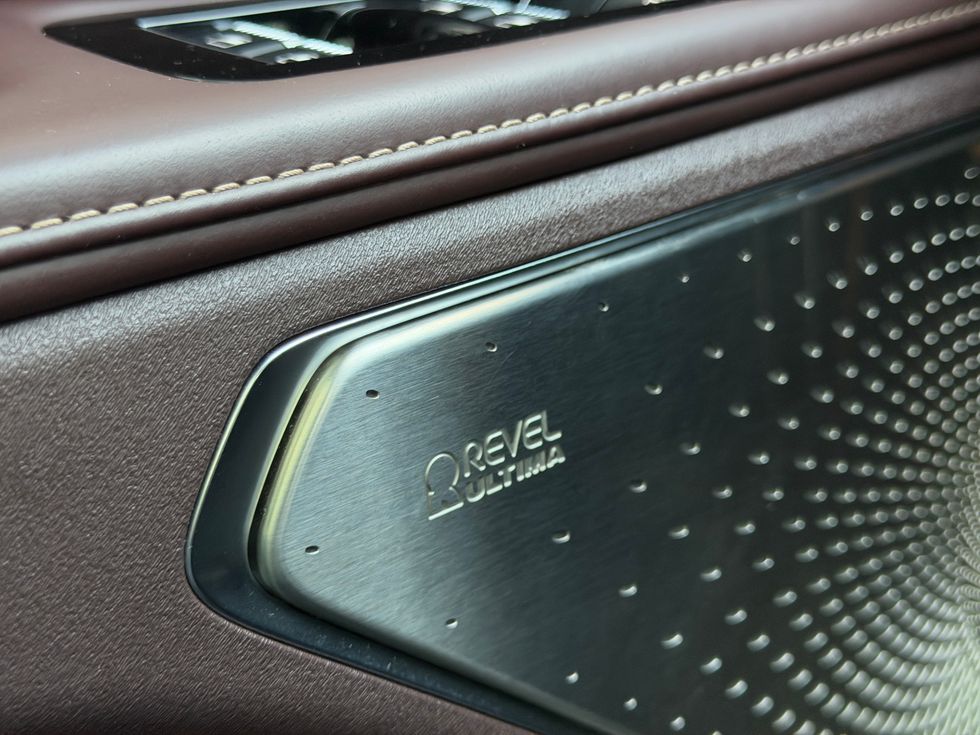
Some buyers will call it unnecessary. I see the logic. Luxury is not always about horsepower or leather. Sometimes it is about creating a cabin that feels different from the vehicle you traded. The massaging seats, 28-speaker Revel Ultima 3D audio system, and Digital Scent give the Nautilus a personality many competitors don't match in the same way.
The important discovery is that these features are not all limited to the Black Label. Digital Scent is standard on the Reserve and available on the Premiere. The 24-way massaging seats and 28-speaker audio system are optional on the Reserve through the Reserve III Equipment Group. Lincoln Rejuvenate is also available on Reserve. That changes the value conversation.
The Reserve III Changes the Math
Lincoln's current starting prices list the Reserve at $63,595 and the Black Label at $77,660 before destination. The Reserve III Equipment Group is listed at $4,455 and adds the 24-way Perfect Position front seats with Active Motion massage and the 28-speaker Revel Ultima 3D audio system.
| Pricing item | Reserve III | Black Label |
| Starting MSRP before destination | $63,595 | $77,660 |
| Reserve III Equipment Group | $4,455 | Standard equipment equivalent |
| Comparable subtotal | $68,050 | $77,660 |
| Price difference | $9,610 |
The comparison is not exact until both vehicles are configured with the same powertrain, paint, and appearance options. Destination charges and model year pricing can also change. The main point is still clear. A Reserve III can get much closer to the Black Label experience than the trim names suggest.
The Reserve already includes Digital Scent, leather-trimmed seating, heated and ventilated front seats, heated rear outboard seats, adaptive suspension, the panoramic roof, and a 14-speaker Revel system. Reserve III adds the two features I noticed most: massaging seats and the 28-speaker audio system. A buyer can then decide whether to add the hybrid and other options without automatically moving into Black Label territory.
What Black Label Adds
Black Label is more than a bundle of equipment. It gives buyers access to exclusive interior themes and an ownership program. My test vehicle had the Aurora theme with Allura Blue seating surfaces, a matching headliner, laser-etched Grated Maple trim, and copper-colored details. The alternative Chalet theme uses Cashmere leather and Silverwood trim.
Black Label ownership also includes four years or 50,000 miles of premium maintenance, pickup and delivery, remote new vehicle delivery, complimentary car washes, and a higher level of Lincoln Access Rewards. Those services have real value for owners who plan to use them. They do not automatically make the Black Label the right choice for everyone.
A buyer focused on the colors, materials, and dealership experience may prefer the Black Label. A buyer focused on the panoramic screen, hybrid fuel economy, Digital Scent, massage, and audio should price a Reserve III first.
The AutoNsider Buyer Guide
| Trim | Best for | What to know |
| Premiere | Buyers who want the Nautilus design and technology at the lowest entry price | The 48-inch display and BlueCruise are standard. Digital Scent is available, but this trim doesn't include the 24-way massaging seats. |
| Reserve | Buyers who want leather, adaptive suspension, and more standard comfort | Digital Scent is standard. It adds 21-inch wheels, heated and ventilated front seats, heated rear seats, and a14-speaker Revel system. |
| Reserve III | Value-focused luxury buyers | Adds 24-way Active Motion massaging seats and the 28-speaker Revel Ultima 3D system. This is the trim package I would price first. |
| Black Label | Buyers who want the exclusive themes and full ownership program | Includes the top comfort equipment plus Aurora or Chalet materials, premium maintenance, and additional concierge-style benefits. |
Where I Would Spend My Money
After driving the Black Label, I would configure a Reserve III Hybrid before signing for the $85,875 vehicle I tested. I would compare the actual stickers line by line, including the hybrid powertrain, wheel size, paint, and any appearance packages. I would also drive both on the same roads. The available 22-inch wheels look excellent, but I would want to know whether the standard 21-inch setup delivered the softer ride I expected from Lincoln.
If the Black Label interior theme and ownership benefits still felt worth the additional money, I would understand the decision. The Aurora cabin has a look that a Reserve cannot fully duplicate. But if the price difference approached $10,000 after matching the equipment, I would have a difficult time passing up the Reserve III.
The AutoNsider Verdict
The 2026 Lincoln Nautilus is more competitive than some luxury shoppers may assume. It looks good, provides real passenger and cargo space, offers a well-matched hybrid, and uses its enormous display more intelligently than I expected. Digital Scent, Lincoln Rejuvenate and the massaging seats also give it a character of its own. I would not dismiss it simply because the badge is Lincoln.
I would, however, judge it more critically as the price climbs. At nearly $86,000, it sits in the same shopping conversation as established luxury SUVs from Lexus, BMW, Mercedes-Benz and Audi. At that level, the firm seat, firmer ride, and a few interior materials became harder for me to overlook.
The most important lesson from my week with the Nautilus Black Label is that you may not need the Black Label to get most of what makes the Nautilus special. The Reserve III Hybrid may be the smarter place to spend the money.
The Black Label is the emotional purchase.
The Reserve III Hybrid may be the smarter one.
2026 Lincoln Nautilus
Daryl Killian