



The Trailseeker delivers the style, comfort, and utility of a raised electric wagon, but its range and charging speed require buyers to know how they will use it.
The AutoNsider Take
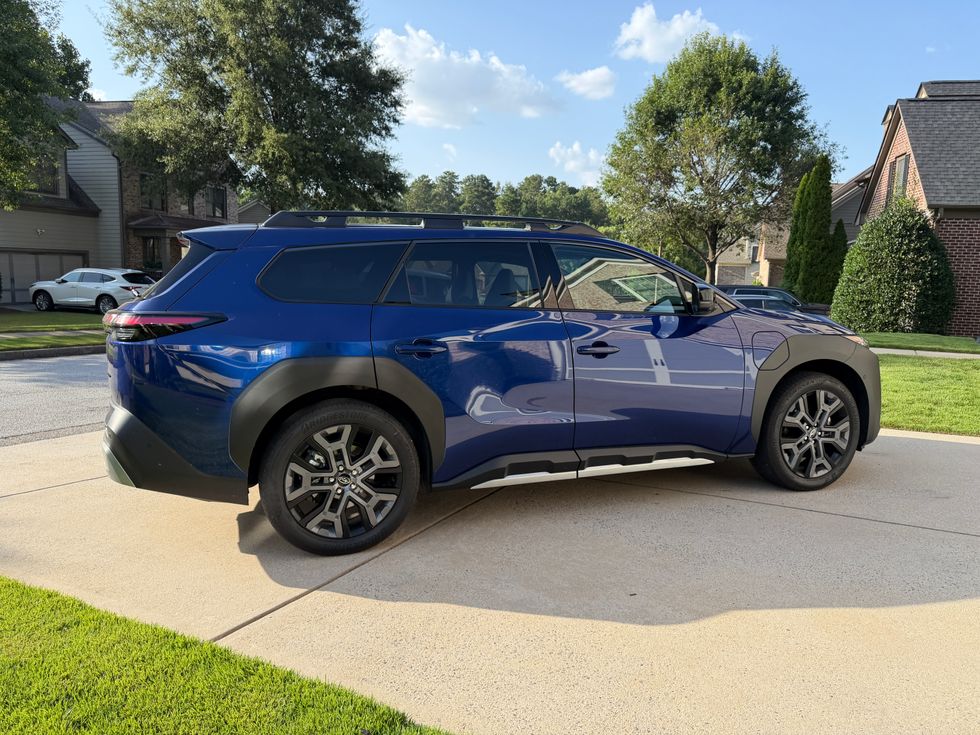
The 2026 Subaru Trailseeker may be the best-looking Subaru ever made. That is a strong statement from me because Subaru styling has often been one of the main reasons I admired the brand from a distance. The Trailseeker changes that. Its long roof, raised stance, and clean profile give it the usefulness of an SUV without making it look like every other SUV in the parking lot.
I have learned something about my own taste while watching the market fill with taller crossovers. I still like the station wagon shape, especially when it sits a little higher and can handle rough roads. The Trailseeker delivers that shape in a modern electric package, suggesting raised wagons may be finding their way back into the industry.
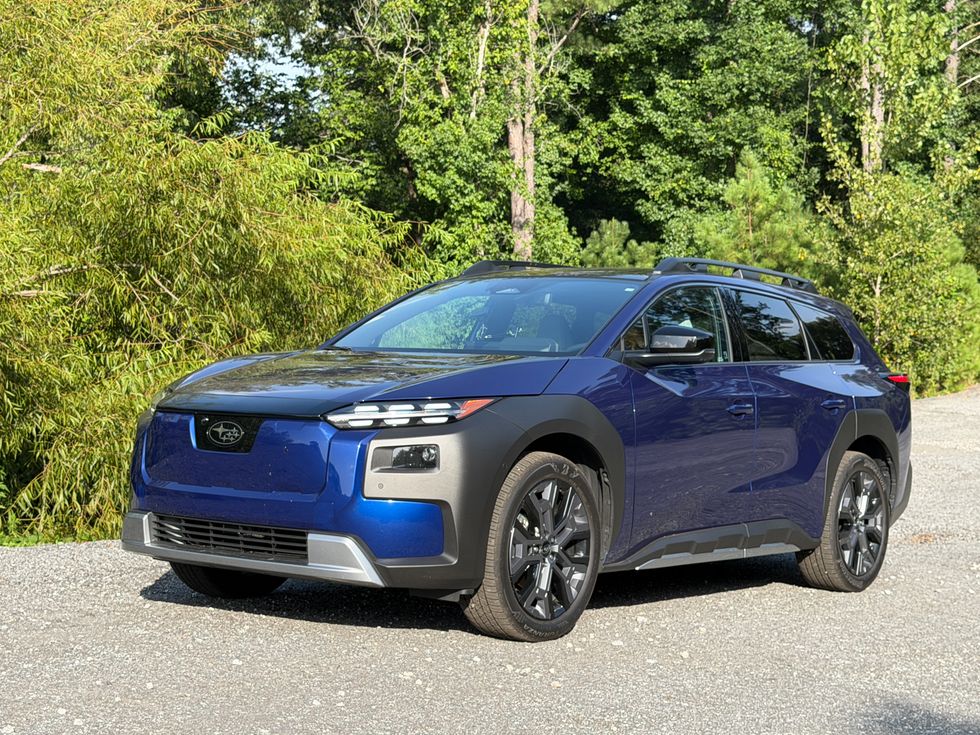 Daryl Killian
The design attracted me first, but the ride, cabin comfort, and practical space made the stronger case. The main question is whether the range and charging speed fit the way a potential owner travels.
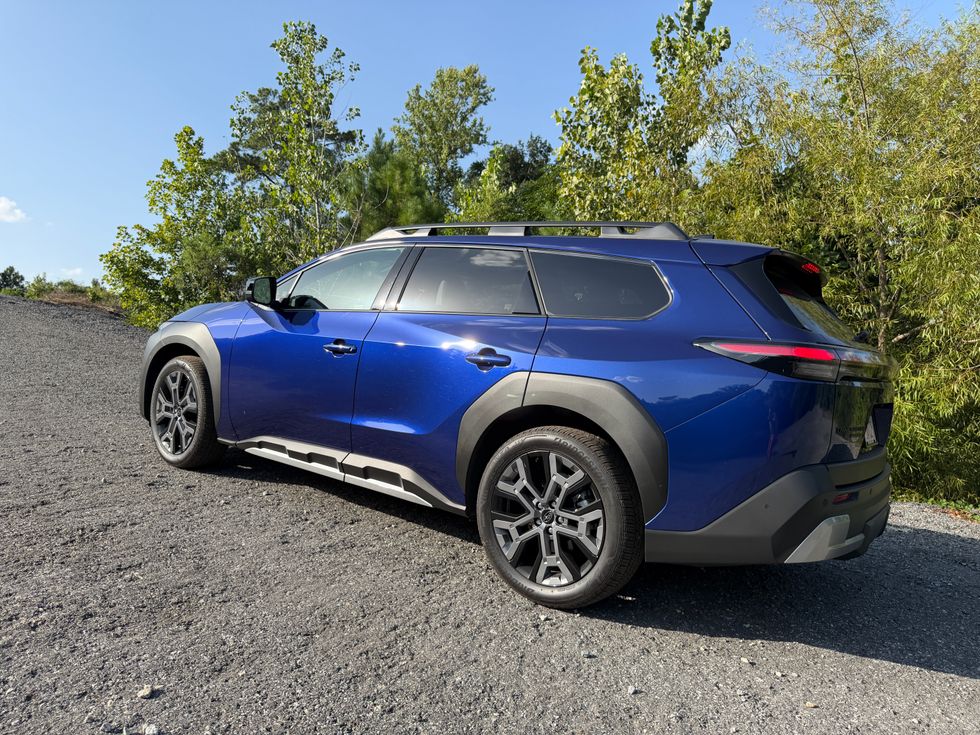 Daryl Killian
A Subaru Design That Feels More Aspirational
For years, Subaru design often seemed to make a statement: “I am different.” At times, the brand image also seemed tied to an environmentally aware, pet-friendly lifestyle that could feel more like a judgment than an invitation. That may not be a fair description of every Subaru owner, but it explains why some of the brand’s styling and personality felt off-putting to me.
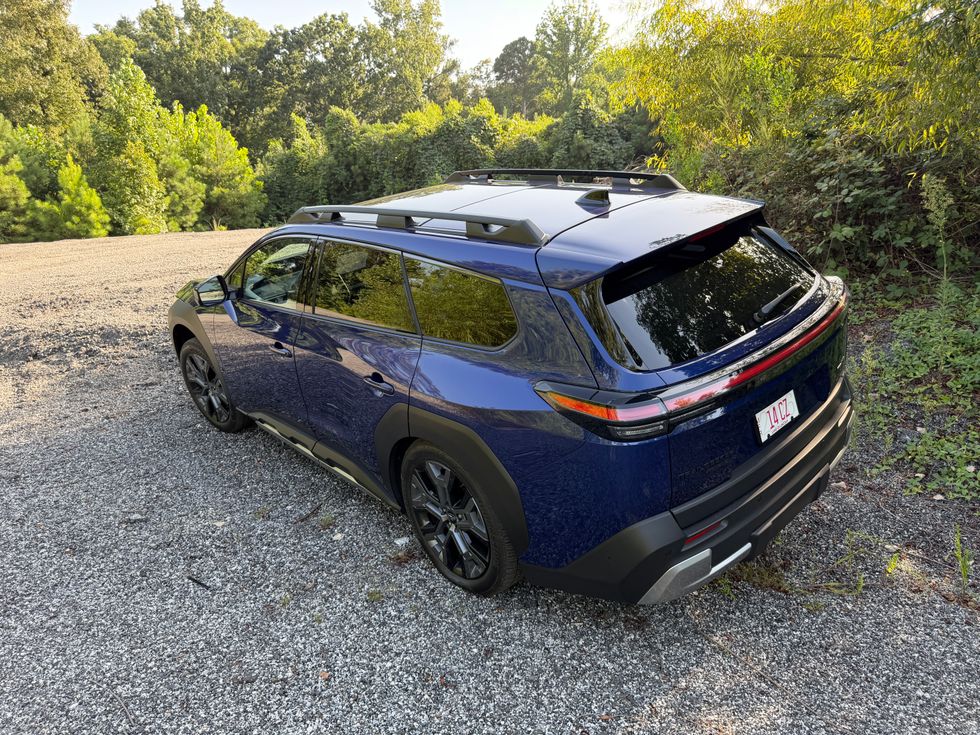
The Trailseeker sends a more welcoming message. Its grille and headlights look confident without trying too hard. The body still communicates outdoor capability, but the overall shape feels understated, sporty, and upscale. It looks as though Subaru heard the criticism, recognized that being different does not mean being better than everyone else, and found a cleaner way to express the brand.
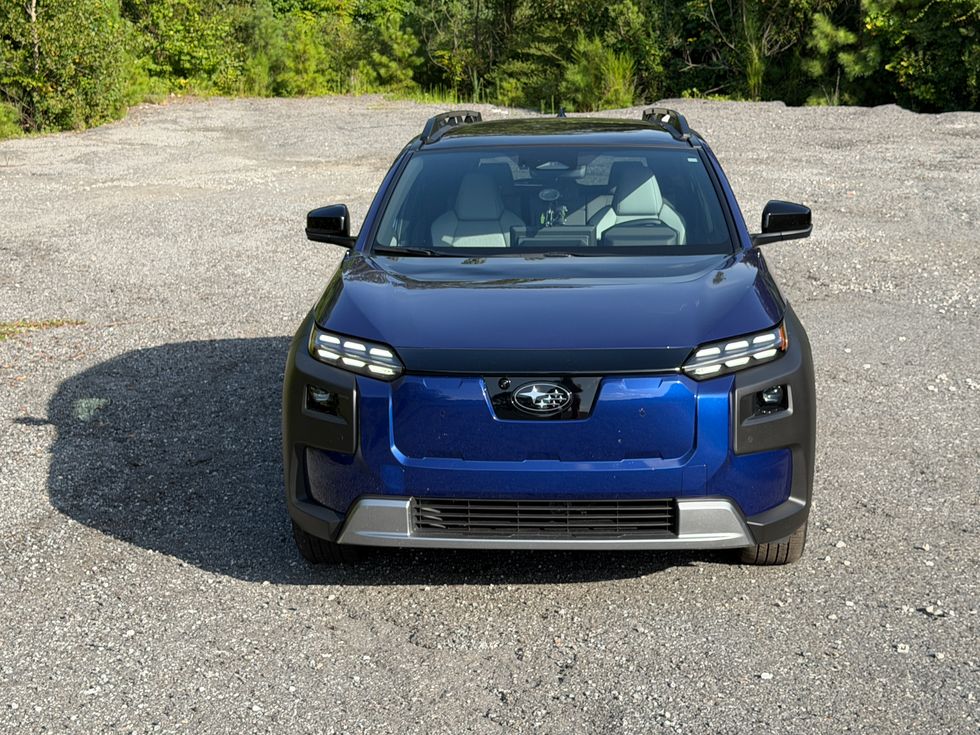 Daryl Killian
Our test vehicle’s blue paint works well with the black cladding around the wheel wells. The contrast gives the car definition without making it look overdone. I am not sure the same amount of black cladding would look as balanced against every lighter paint color, so buyers should see their preferred color in person.
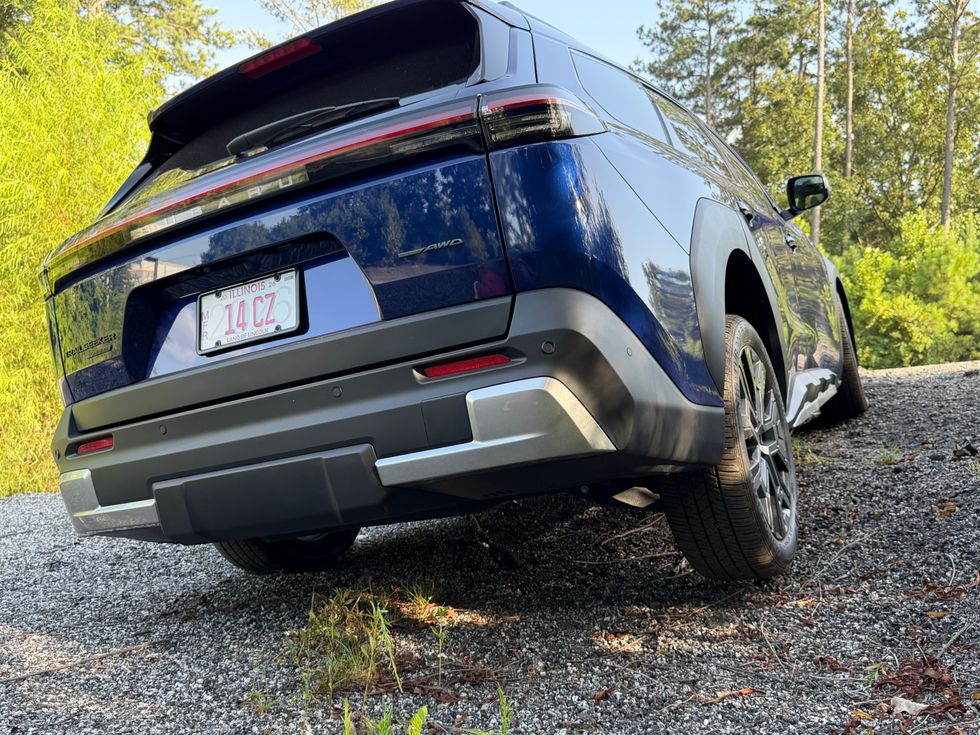 Daryl Killian
My only disappointment about the design is that Subaru has reserved this general look for its electric vehicles. I could see more buyers moving toward the brand if this cleaner and more attractive design language appeared across its gas-powered lineup.
Smooth On The Road And Confident Away From It
The Trailseeker’s ride impressed me on paved roads and away from them. It is quiet, settled, and smooth enough to compare favorably with several luxury vehicles I have tested in recent years. Subaru didn't have to sacrifice a sense of control or capability to make the Trailseeker comfortable.
Every Trailseeker uses two electric motors and standard Subaru Symmetrical All Wheel Drive. The system produces 375 horsepower, and Subaru estimates a 0-60 mph time of about 4.4 seconds. Acceleration feels stronger than what I experienced in the smaller Subaru Uncharted, but the power doesn't overwhelm the car's calm nature.
The Trailseeker also provides 8.5 inches of ground clearance, dual-function X MODE, Grip Control, and Downhill Assist Control. I drove it off the pavement and found that its traction and composed ride matched its rugged appearance. Subaru rates towing capacity at up to 3,500 pounds, though I did not conduct a towing test.
 Daryl Killian
A Comfortable Cabin With Two Awkward Details
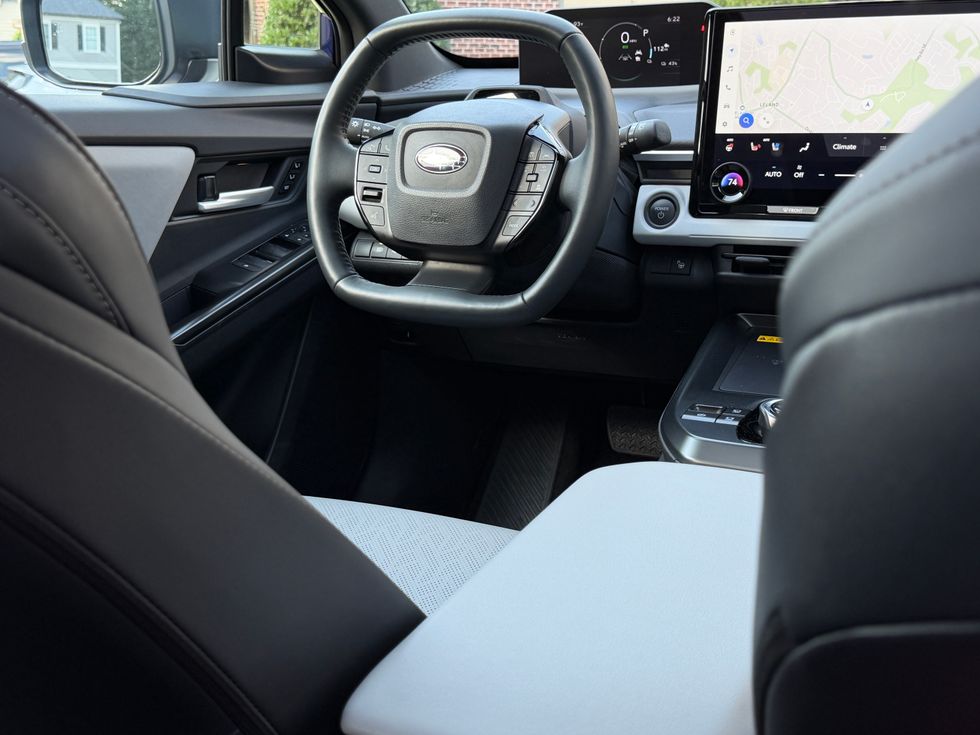
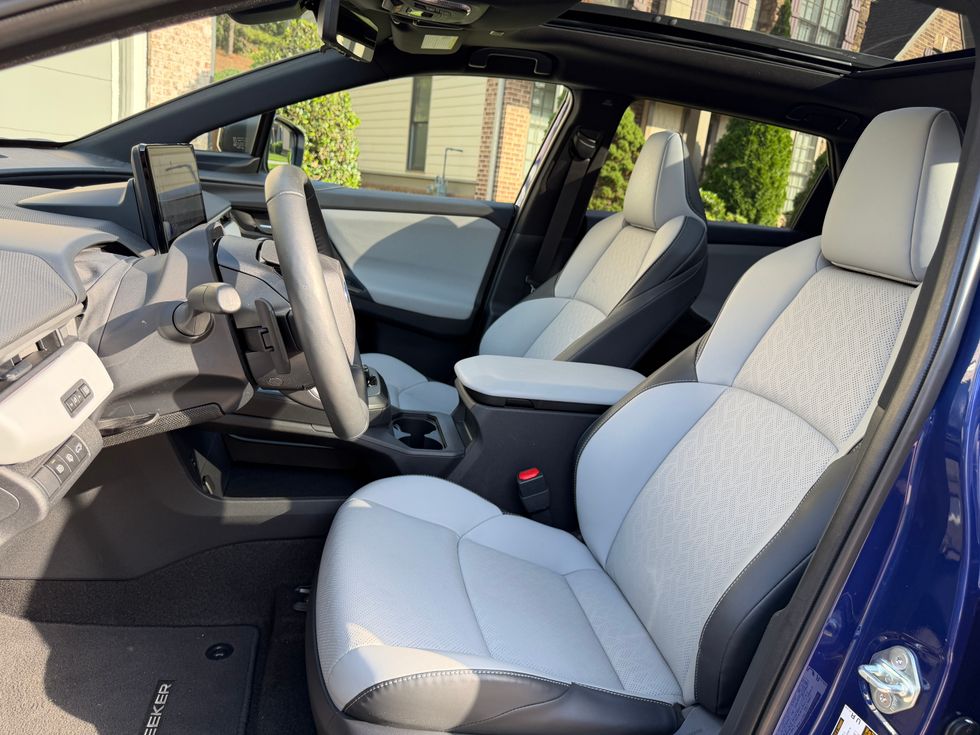
The interior shows that Subaru has been listening to consumers. The seats are comfortable, the materials feel more upscale than I expected, and the surfaces you touch most often are soft enough to reinforce the price. Nothing inside needs to shout for the cabin to feel like a step forward.
 Daryl Killian
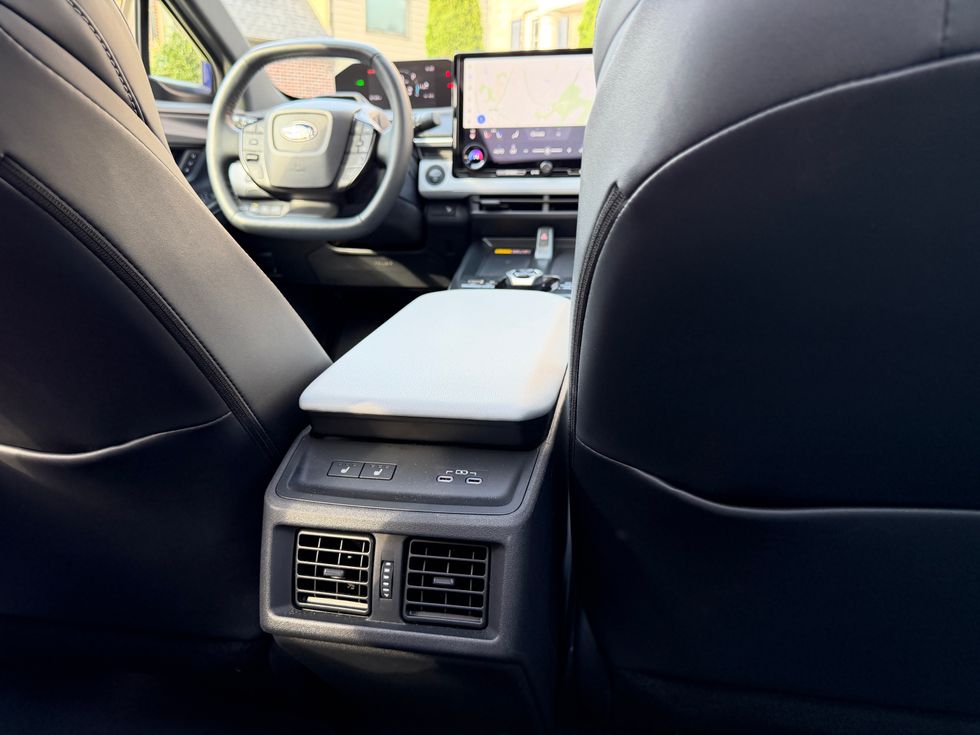
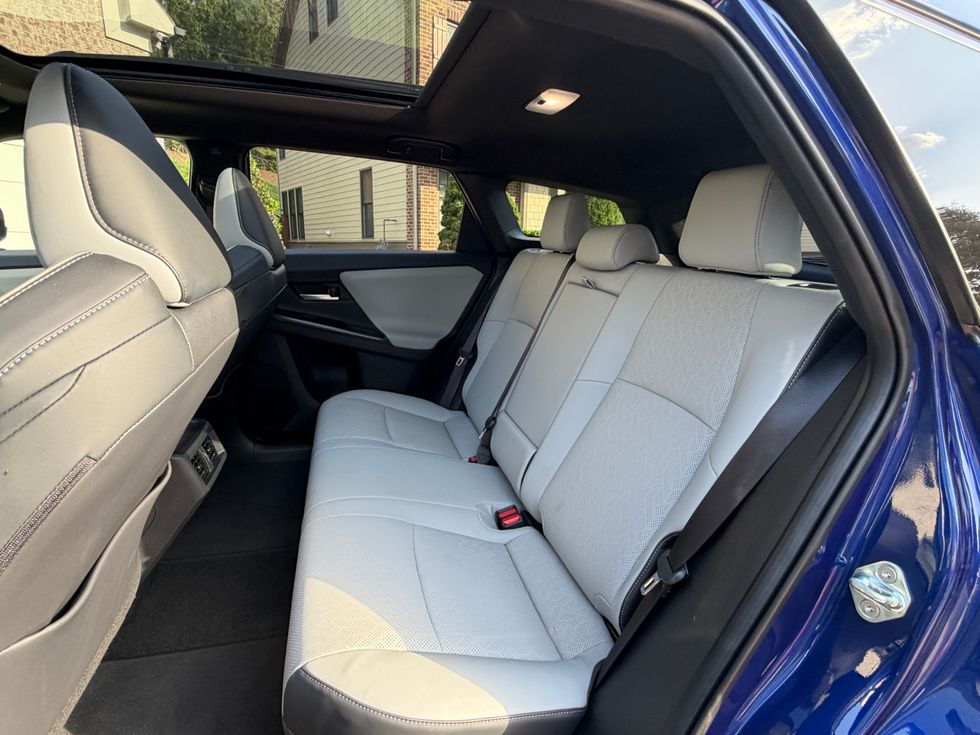
The back seat offers useful room for a modern family. Our Touring tester included rear air vents, USB-C charging ports, and heated outboard seats. Those features should help keep young children and teenagers comfortable without forcing the front passengers to manage every need.
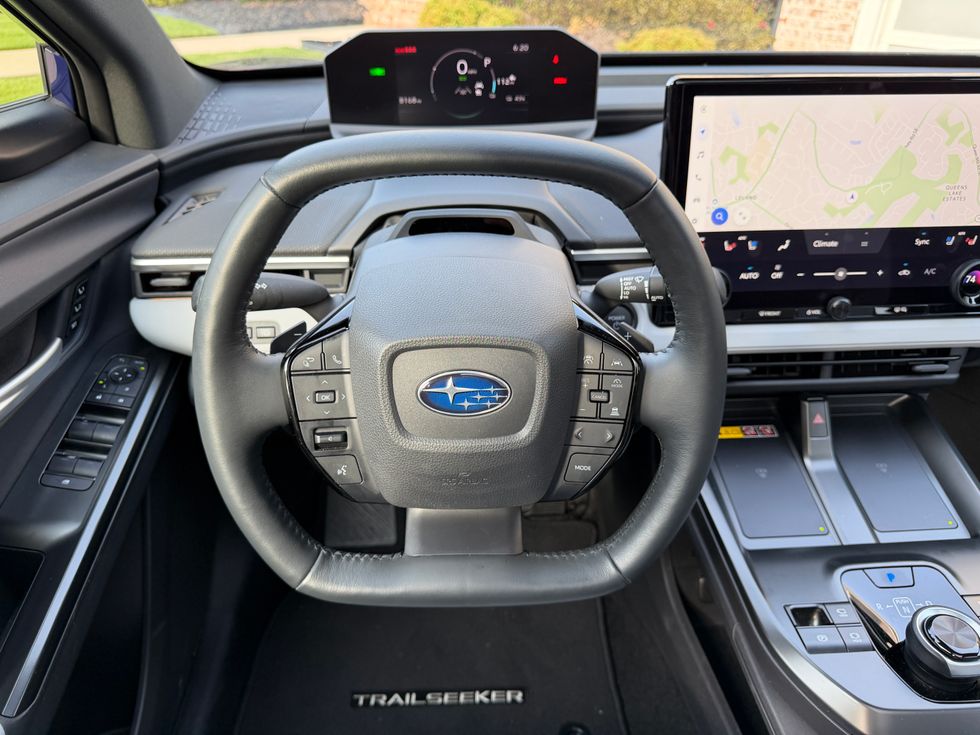
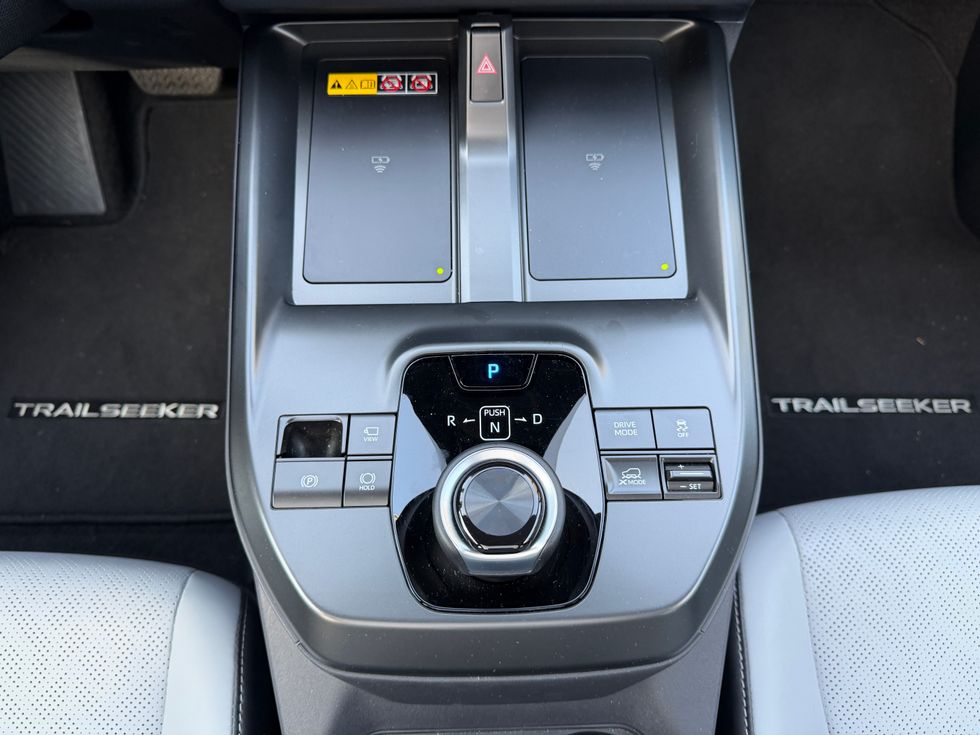
Subaru also provides two wireless charging pads up front. The idea is smart because two people can charge without competing for one pad, but the execution needs work. My phone moved around while I drove and maintaining a steady charging connection became a challenge.
 Daryl Killian
The shift selector also felt awkward at first. I adjusted to it over time, but it never became part of the interior I enjoyed. The Harman Kardon audio system, on the other hand, sounds excellent and suits the cabin’s quiet character.
SUV Utility With Easier Cargo Access
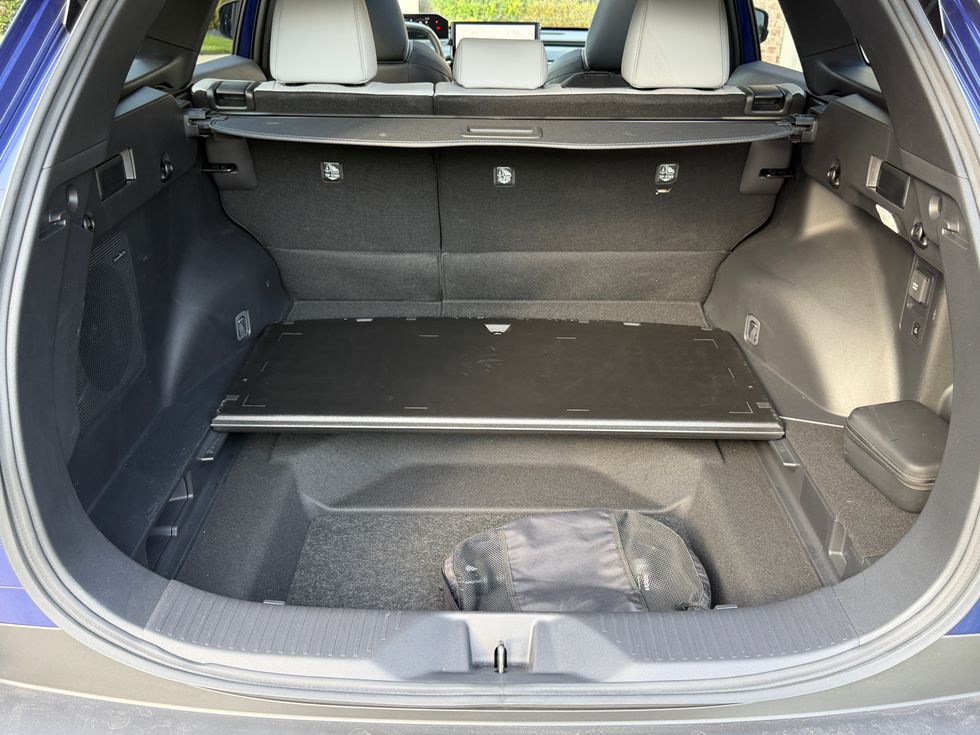
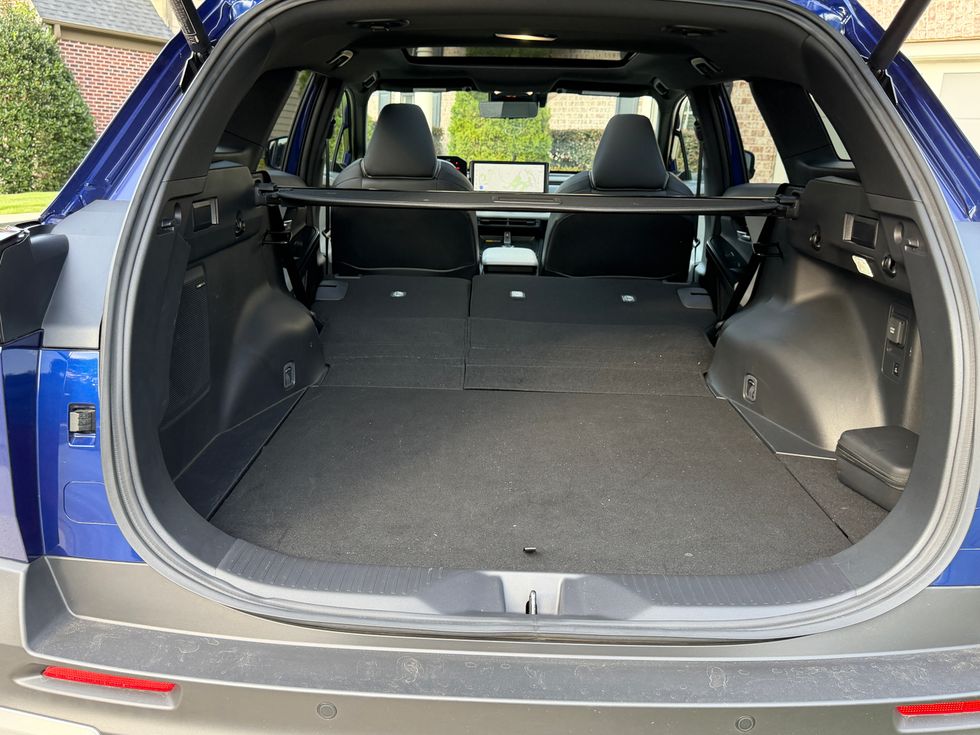
The TrailSeeker’s wagon-like shape pays off behind the rear seats. Premium and Limited models provide 31.3 cubic feet of cargo room and up to 74 cubic feet with the rear seats folded. Touring models provide 30.4 cubic feet behind the second row and 71.8 cubic feet at maximum capacity because of their added equipment.

 Daryl Killian
Those numbers matter, but the access height may matter more in daily use. The cargo floor is easier to reach than the floor in many taller SUVs. Families can load groceries, luggage, and everyday gear without giving up the ground clearance that helps the car away from smooth pavement.
Range And Charging Are The Main Buyer Questions
The Trailseeker Premium has an EPA-estimated range of 281 miles. Limited and Touring versions are rated at 274 miles. That should cover commuting, school runs, and most weekly driving, especially for an owner who can charge at home. Buyers who take frequent highway trips should look more closely at the distance between charging stops and the time they are willing to spend charging.
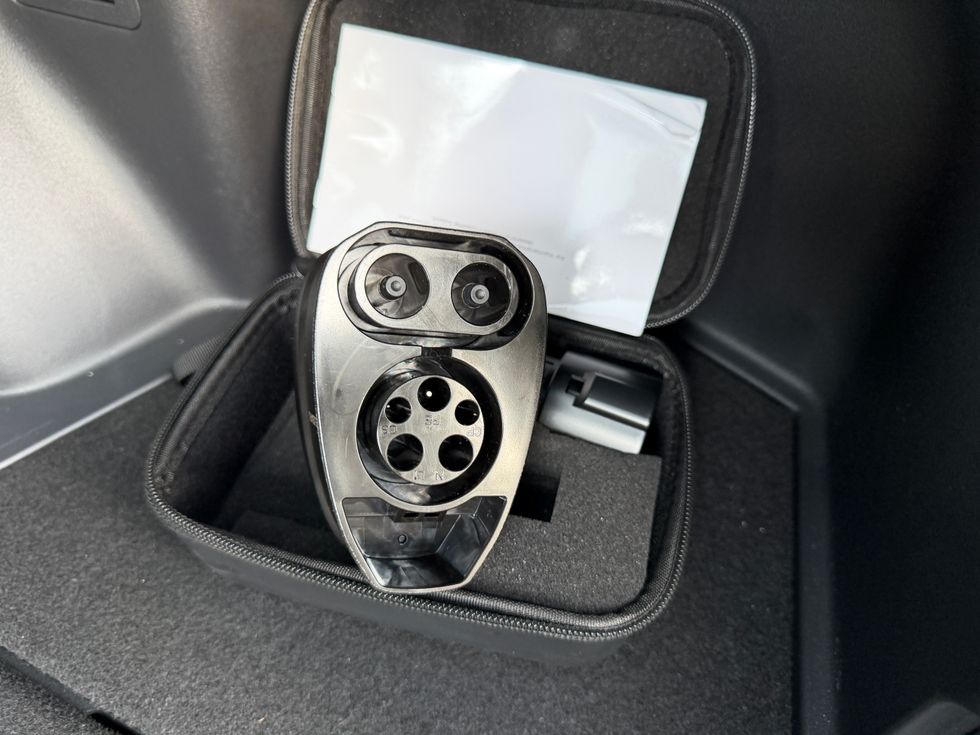
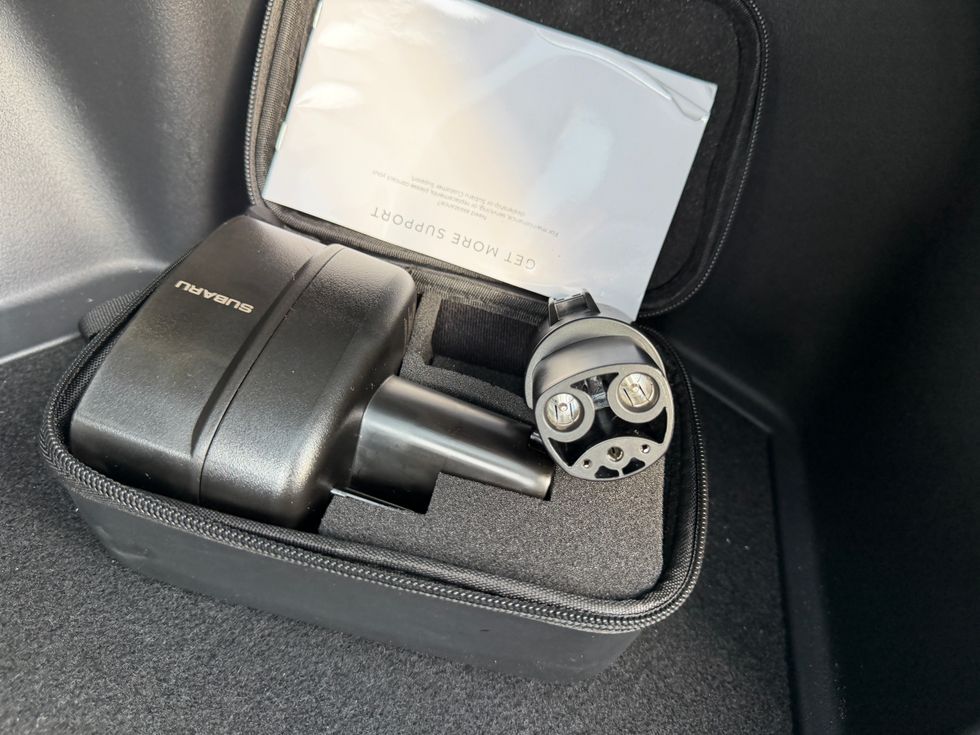
A built-in NACS charging port provides access to compatible Tesla Supercharger locations and makes public charging less stressful. The TrailSeeker can accept up to 150 kW at a DC fast charger. Subaru estimates about 28 minutes to move from 10 percent to 80 percent under suitable conditions. That is useful, but several newer EVs offer more range, faster charging, or both.
 Daryl Killian
 Daryl Killian
The Trailseeker makes the most sense when its capability matters. A buyer who regularly reaches campsites, trails, or unpaved destinations may reasonably accept the range compromise in exchange for its ground clearance, All Wheel Drive system, and useful shape. A long-distance highway driver may reach a different conclusion.
Price And Market Position
The 2026 Trailseeker starts at $39,995 before destination and other charges. The Touring begins at $46,555, while the Touring Leather starts at $46,855. Considering the power, standard All Wheel Drive, cabin equipment, and cargo capacity, the pricing is competitive within the electric SUV market.
Price alone shouldn't drive the decision. Buyers should compare the TrailSeeker with the gas-powered Subaru Outback, the closely related Toyota bZ Woodland, and electric crossovers such as the Tesla Model Y, Hyundai IONIQ 5 and Kia EV6. The right choice depends on charging access, trip length, cargo needs,, and how much true off-pavement ability matters.
AutoNsider Buyers Guide
| Premium | $39,995 | 281-mile range, 18-inch wheels, heated front seats, dual wireless charging pads, and 14-inch multimedia system | Value-focused buyers who want the longest Trailseeker range and can live without the premium audio and camera upgrades |
| Limited | $43,995 | 274-mile range, 20-inch wheels, Harman Kardon audio, heated rear outboard seats, panoramic view monitor, and cargo area power outlet | The strongest balance of comfort, technology, and price for most families |
| Touring | $46,555 | Limited equipment plus panoramic glass roof, ventilated front seats, radiant leg warmers, and digital rearview mirror | Buyers who want the most complete comfort package and accept the 274 mile range |
| Touring Leather | $46,855 | Touring equipment with leather-trimmed upholstery | Buyers who prefer leather and are already considering the Touring |
- Small families that want useful passenger and cargo space without driving a tall or oversized SUV
- Subaru owners who are ready for an EV and want familiar All Wheel Drive confidence
- Commuters who can charge at home and rarely need more than 274 miles in one day
- Outdoor buyers who value ground clearance and traction more than class-leading range
- Drivers who miss the look and function of a raised station wagon
Who Should Think Twice
- Frequent road trip drivers who want more than 300 miles of rated range
- Buyers who prioritize the fastest available DC charging speeds
- Drivers who do not have reliable home or workplace charging
- Shoppers who want a conventional gear selector or flawless wireless phone charging
The AutoNsider Decision
The Trailseeker gets the hard parts right. It looks good, rides well, accelerates with confidence, and provides the space a small family needs. The raised wagon shape gives it character in a market crowded with similar SUVs, and the NACS port makes public charging easier to plan.
The 274-mile range in our Touring tester is the biggest reason to pause. The 150 kW charging limit also trails behind the fastest-charging EVs. Neither issue makes the Trailseeker a poor choice, but buyers should match the car to their actual driving instead of assuming every EV works the same way.
One for the Road
Subaru built the Trailseeker for people looking beyond the pavement. Its design may be what finally makes a new group of buyers look beyond their old opinion of Subaru.
2026 Subaru Trailseeker
Daryl Killian