


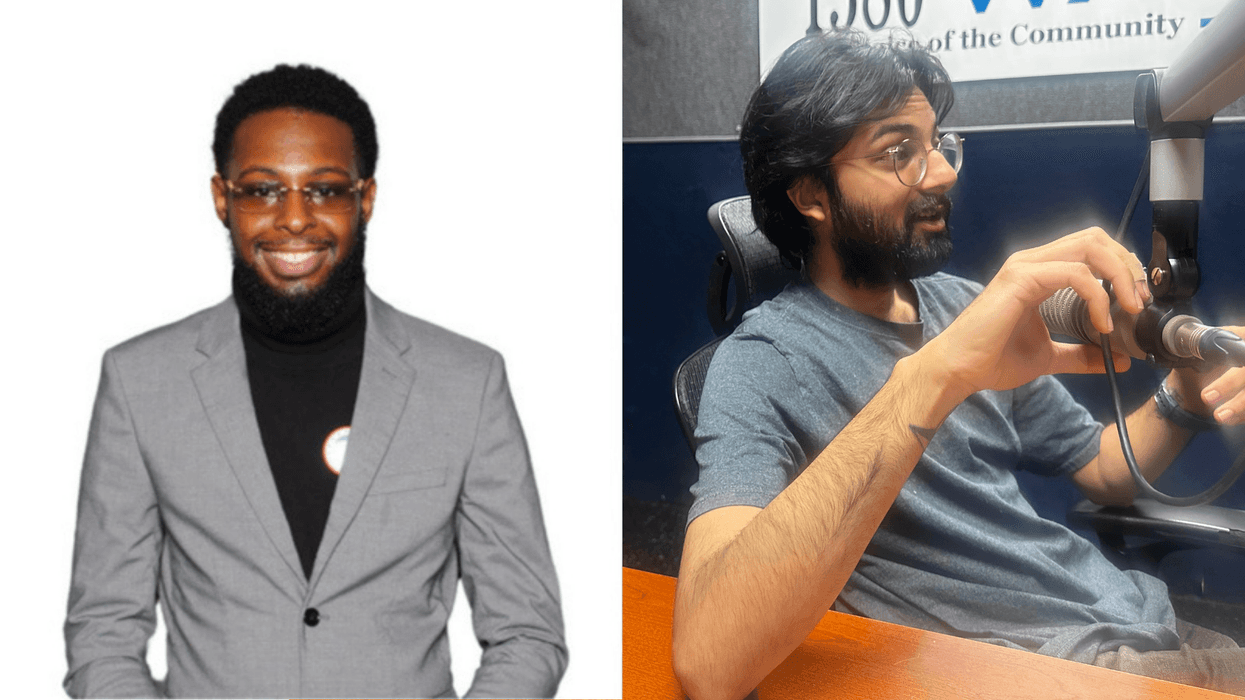
Musician and technologist Mihir Bagchi offered a thoughtful look at culture, creativity and the rise of artificial intelligence during a recent interview, highlighting how rapidly evolving tools are reshaping the musical landscape without replacing the human element behind it.
Fresh off the Thanksgiving holiday, Mihir shared that this year looked different as he balances graduate school and his creative pursuits. "I just started my master's this year and I've not been a student in years," he said, noting he stayed in to focus on coursework but plans to make up for missed family time during Christmas.
Mihir, who was born in Dallas and spent much of his childhood in India, said his musical foundation was set early. With a mother trained in classical Indian vocals and a father who played sitar, he grew up surrounded by sound. Piano lessons began as soon as he could press the keys, followed by drums, singing and the guitar, the instrument he eventually claimed as his own. His years in India exposed him to a range of languages, regional film industries and fast-changing pop trends, creating what he described as frequent culture shifts that broadened his musical vocabulary.
As the conversation shifted to AI's growing influence on creative industries, Mihir emphasized that new technology often brings both excitement and uncertainty. Still, he cautioned listeners not to view AI as a threat but as a tool that rewards those who learn to use it. "AI is not replacing your job. AI is replacing your job with people who know how to use AI," he said.
He described today as one of the most accessible eras for making music, with high-quality production possible from home and at little cost. At the same time, he acknowledged the saturation this creates, saying artists now face more competition and must work harder to develop their own distinctive sound. Ethical questions surrounding AI-generated songs, including concerns about transparency in training data, remain a major point of discussion.
Even with those challenges, Mihir urged creatives not to fear technological shifts. He pointed out that automation and studio manipulation have existed "in some capacity" in music for decades through tools like pitch correction, reverb and tempo adjustments, long before AI became a common phrase in creative spaces.
Throughout the interview, Mihir encouraged artists of all backgrounds and experience levels to stay curious, stay informed and use technology to enhance their craft rather than replace it. He highlighted the importance of learning emerging tools, continuing to evolve and keeping the artistic core at the center of the process.
For Mihir, the future of music isn't about machines taking over. It's about artists adapting, experimenting and maintaining ownership of their voice as the industry continues to change.
To listen to the full interview, click the link above.


