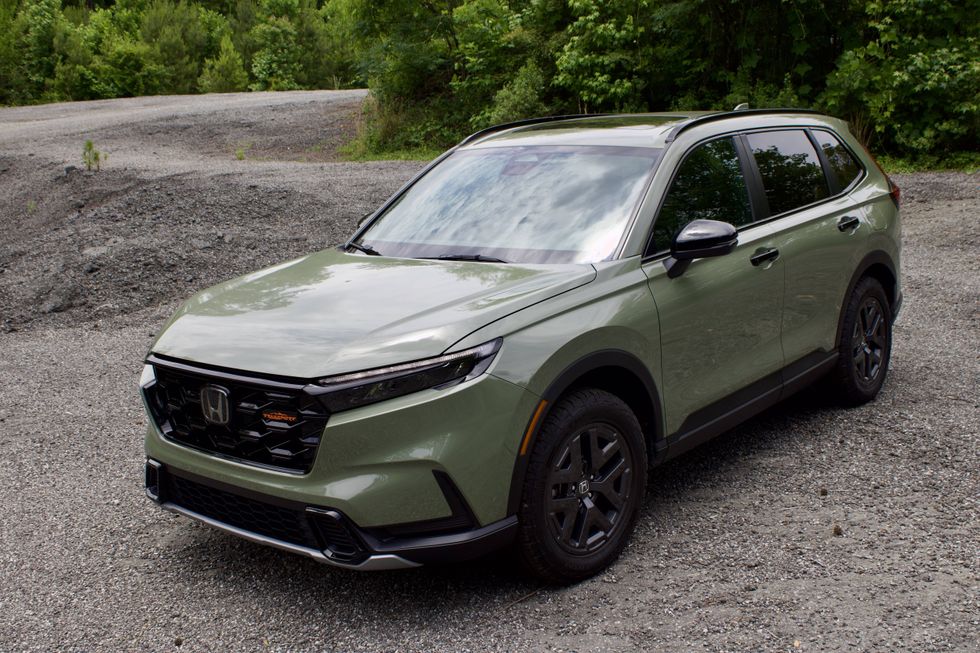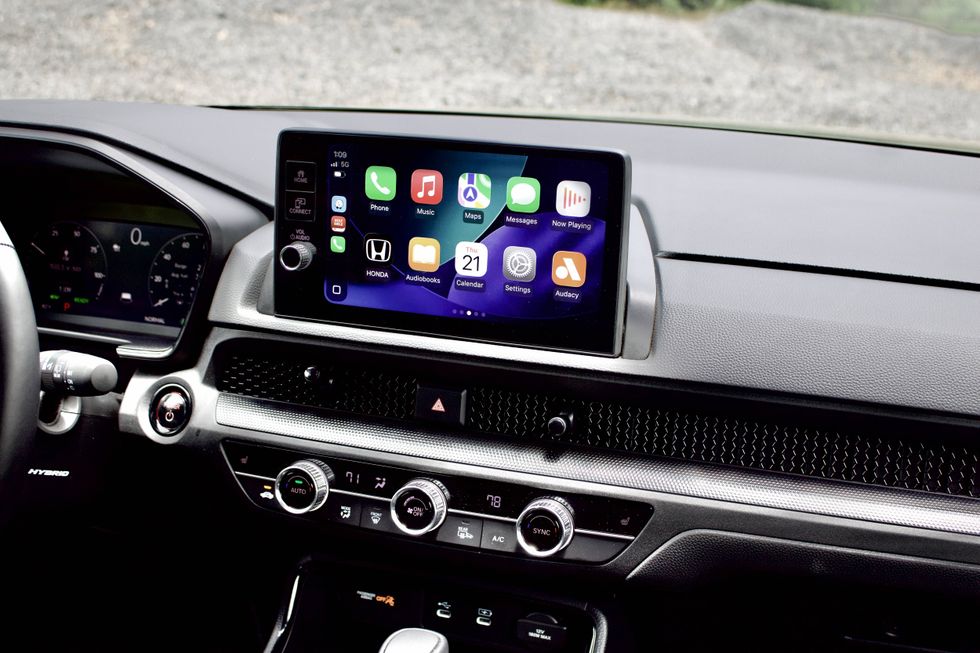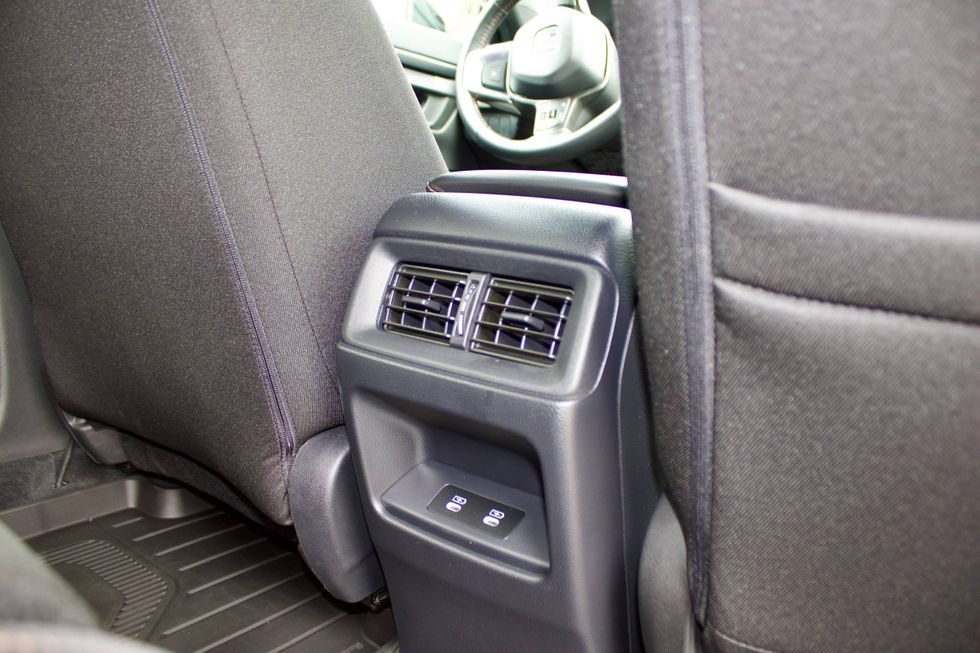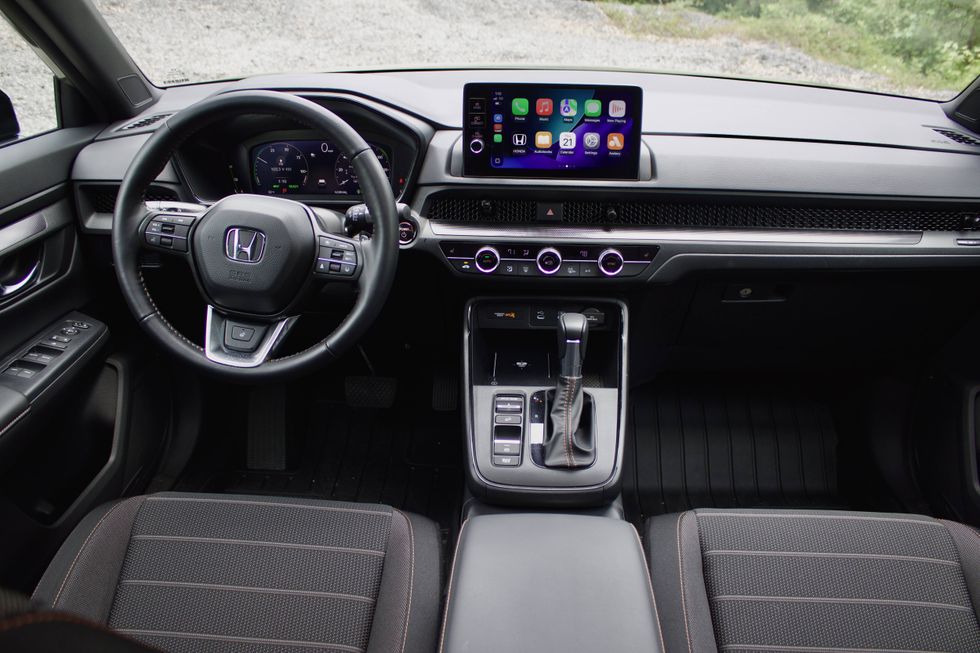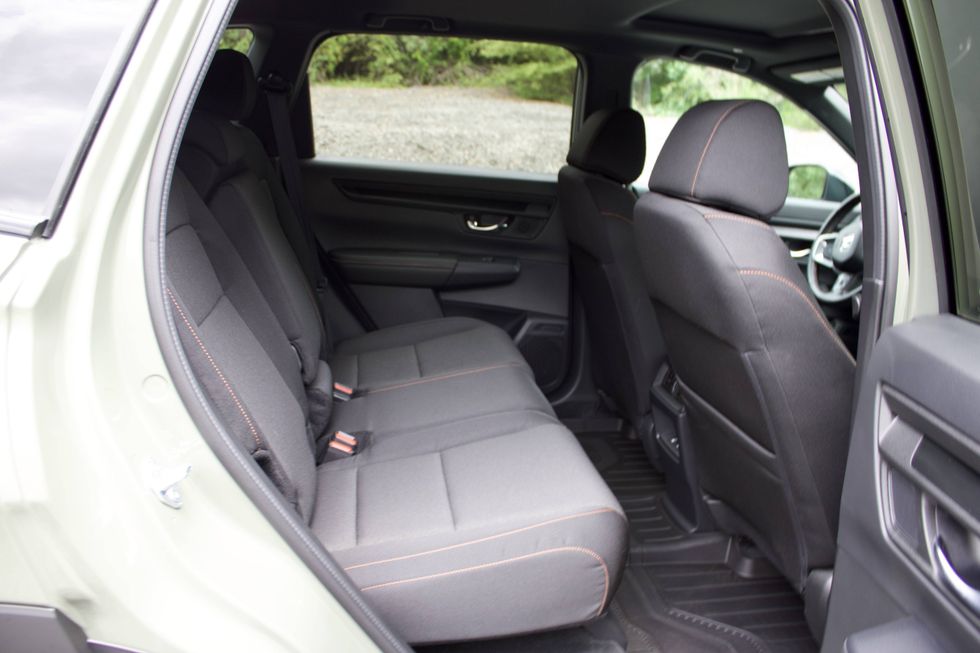


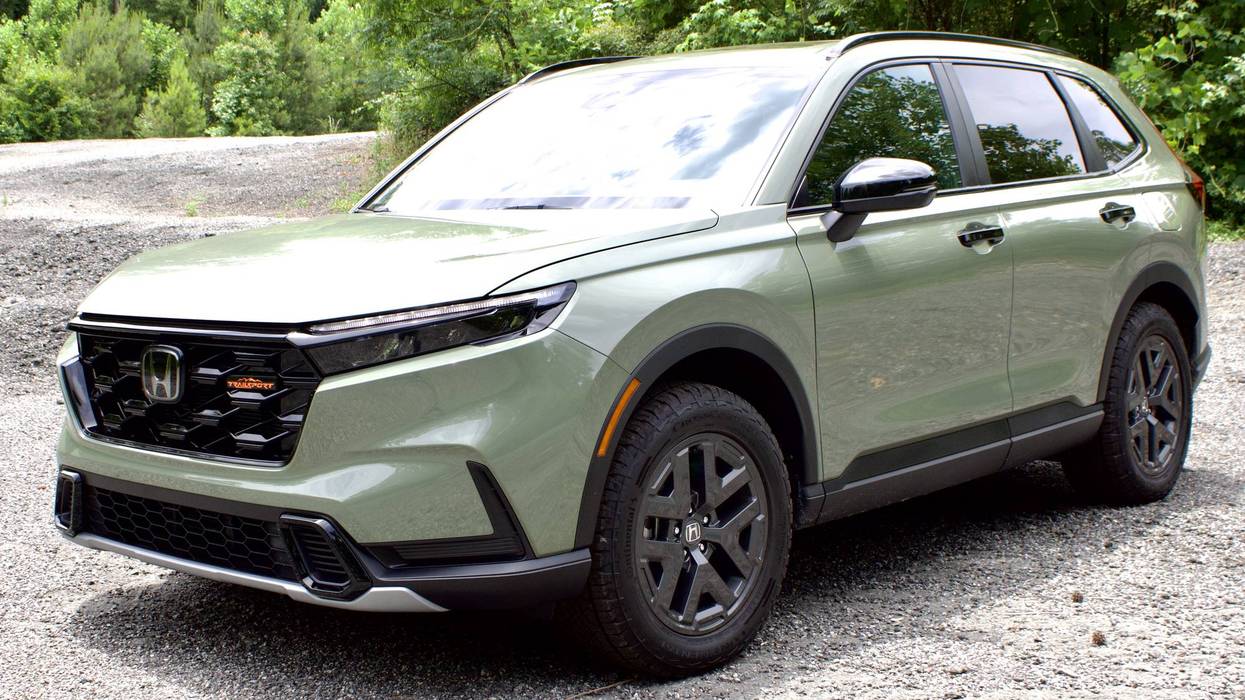

When I first drove the 2026 Honda CR-V TrailSport Hybrid at its media launch in San Diego last year, I came away impressed by Honda's attempt to add a touch of adventure to its best-selling SUV.
But I also left with questions.
During our drive route, which included significant elevation changes and long mountain climbs, the hybrid powertrain occasionally felt strained. Engine noise became more noticeable in the cabin than I expected, and I wondered whether the added weight of the TrailSport package was exposing the limitations of Honda's hybrid-CVT combination.
A year later, after spending extended time with the CR-V TrailSport Hybrid in my home environment around Atlanta, I have a different perspective.
The Press Drive Didn't Tell the Whole Story
Media launches are useful for introducing a vehicle, but they're not always representative of how owners actually use them.
In San Diego, Honda intentionally sent us into the mountains to demonstrate capability. Those long grades and higher elevations pushed the powertrain harder than most owners will ever experience during a normal week of driving.
Back in Atlanta, the CR-V TrailSport feels like an entirely different vehicle.
Around town, in suburban traffic, and on the interstate, the hybrid powertrain is smooth, quiet, and remarkably refined. The CVT transmission stays in the background where it belongs, and the hybrid system delivers power seamlessly.
In fact, one of the things I criticized during the launch event became one of the things I appreciated most during daily driving.
Honda continues to do a better job with CVT programming than many competitors. The transmission's simulated shift points help eliminate the rubber-band sensation that drivers often associate with CVTs. In normal driving, it feels natural and unobtrusive.
That doesn't mean my original observations were wrong.
When the road turns steep, and the vehicle is asked to pull its weight up long mountain grades, engine noise still increases, and the powertrain can feel like it's working hard.
The difference is that most owners simply won't spend much time driving under those conditions.
For the way most families actually use a CR-V, the powertrain is far more refined than my first-drive experience suggested.
TrailSport Is Better Than Most Buyers Need
The TrailSport treatment remains one of the more honest adventure packages in the compact SUV segment.
Honda isn't pretending this is a rock crawler.
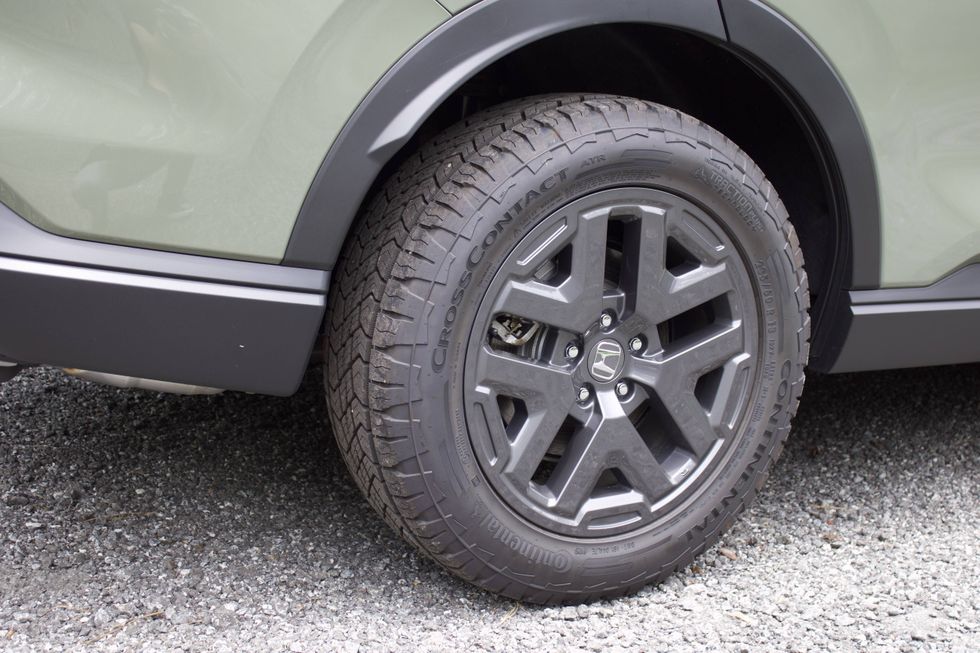
The Continental all-terrain tires, revised AWD calibration, and Hill Descent Control provide meaningful improvements in light off-road situations. During the trail drive in San Diego, Hill Descent Control worked exactly as advertised, maintaining steady speeds on moderate declines while giving drivers additional confidence.
But the CR-V TrailSport is still fundamentally a family crossover.
And that's perfectly okay.
The TrailSport does all of those things while maintaining the ride quality and efficiency that made the CR-V successful in the first place.
Fuel Economy Matters More Today Than It Did Last Year
One thing that didn't resonate with me during the launch event was fuel economy.
At the time, I was focused on capability, technology, and how the TrailSport compared to competitors.
Today, fuel economy matters a lot more.
Over the course of my evaluation, the CR-V TrailSport Hybrid delivered fuel economy that was remarkably close to its EPA estimates of 38 mpg city, 33 mpg highway, and 35 mpg combined.
That's genuinely impressive.
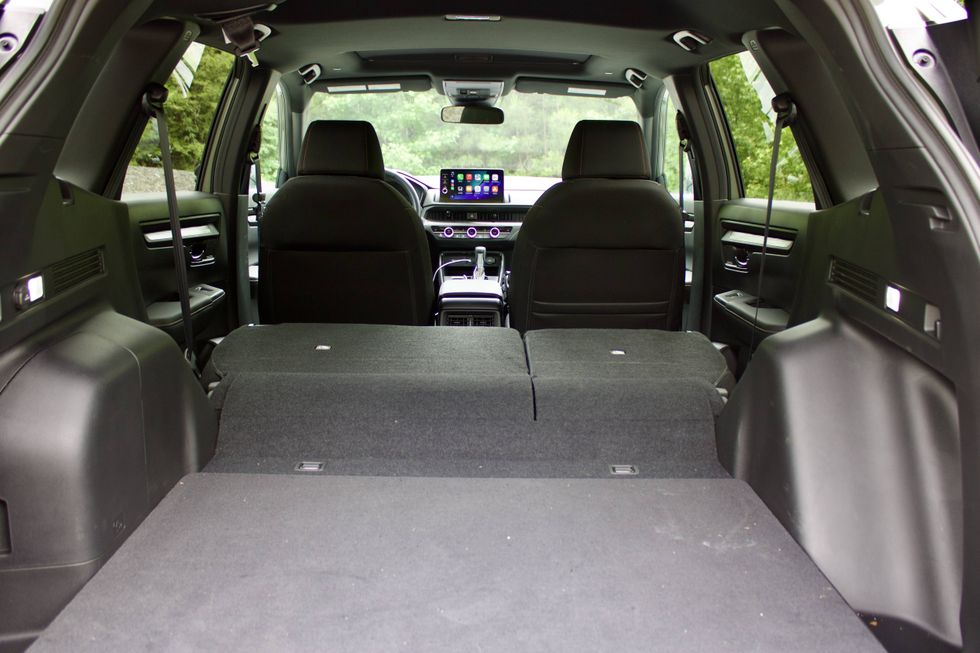
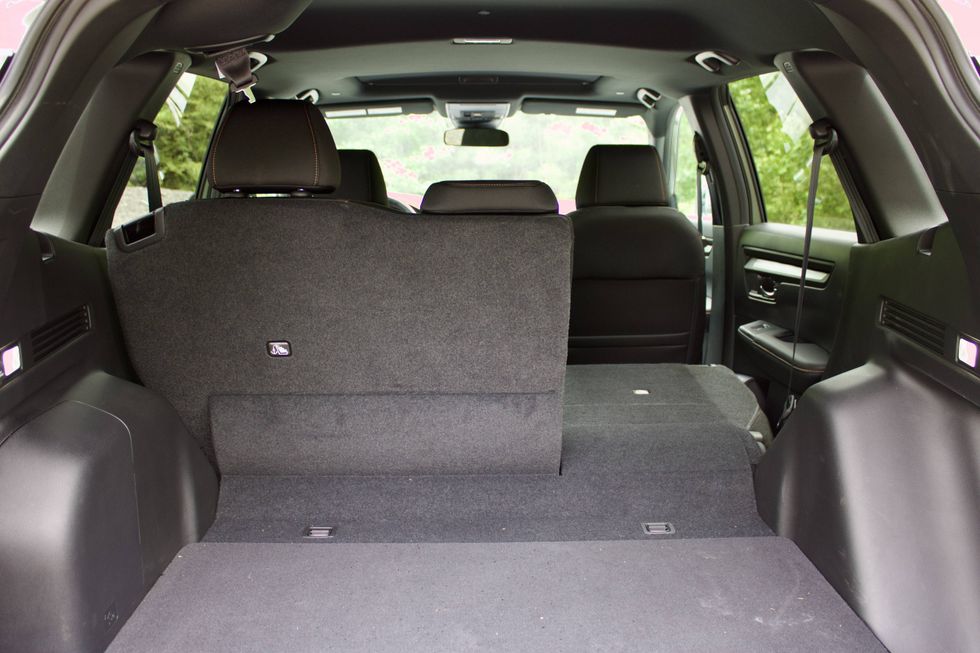
This isn't a compact sedan. It's a roomy family crossover with all-wheel drive, generous cargo capacity, and seating for five adults.
Achieving approximately 35 mpg in a vehicle this size can make a meaningful difference in a family's annual fuel budget.
And that's where the hybrid really separates itself from the standard CR-V.
Hybrid vs. Non-Hybrid: Spend the Extra Money
Honda still offers the CR-V with a 1.5-liter turbocharged four-cylinder engine.
It's a solid powertrain, but if you're shopping CR-Vs, the hybrid is the one I'd recommend.
CR-V Hybrid AWD- 38 mpg city
- 33 mpg highway
- 35 mpg combined
- 27 mpg city
- 31 mpg highway
- 29 mpg combined
A six-mile-per-gallon advantage in combined driving is significant.
The hybrid also delivers more torque and a smoother driving experience in everyday traffic.
For most buyers, the fuel savings alone make the hybrid worth serious consideration.
2026 Honda CR-V Buyer's Guide
Best Value: Sport Hybrid
Starting MSRP: $37,025
Why Buy: The hybrid powertrain, strong fuel economy, and lower price make this the sweet spot of the lineup.
Best for Families: Sport-L Hybrid
Starting MSRP: $40,120
Why Buy: Adds leather seating, power tailgate, memory seating, and additional comfort features without moving into luxury SUV pricing.
Best Lifestyle Model: TrailSport Hybrid
Starting MSRP: $40,195
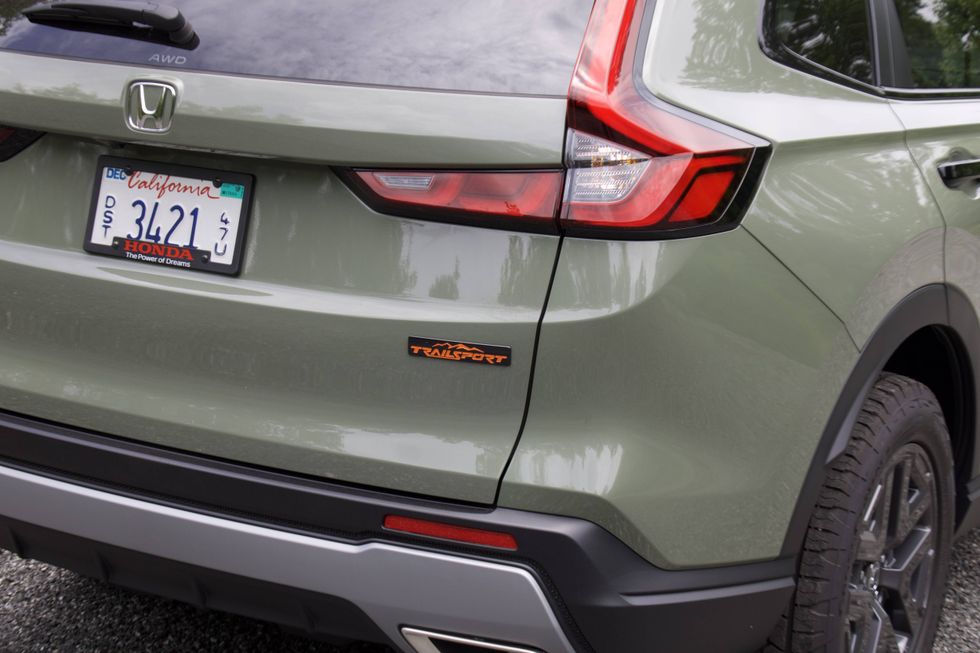
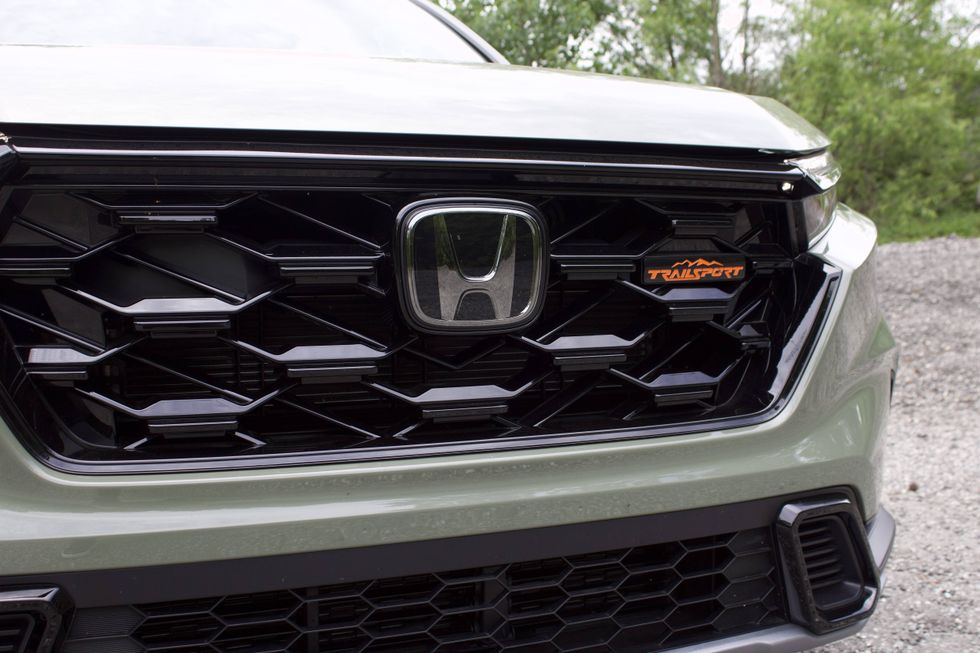
Why Buy: Adds all-terrain tires, standard AWD, Hill Descent Control, exclusive styling, and a more adventurous personality.
Best Overall: Sport Touring Hybrid
Starting MSRP: $43,645
Why Buy: Bose audio, Google Built-In, premium features, heated steering wheel, and every major technology feature Honda offers.
Final Thoughts
A year ago, I wondered whether the TrailSport Hybrid's powertrain was the right match for the vehicle.
Today, after spending considerably more time with it, I think Honda got it right.
The concerns I had during the launch event were real, but they occurred under conditions that most owners will rarely encounter.
In the real world, the CR-V TrailSport Hybrid delivers exactly what buyers expect from a Honda: comfort, efficiency, practicality, and reliability.
The TrailSport package doesn't transform the CR-V into an off-road SUV.
What it does is give America's best-selling SUV a little more personality without sacrificing the qualities that made it successful in the first place.
And for most buyers, that's exactly what they're looking for.
2026 Honda CR-V TrailSport Hybrid