


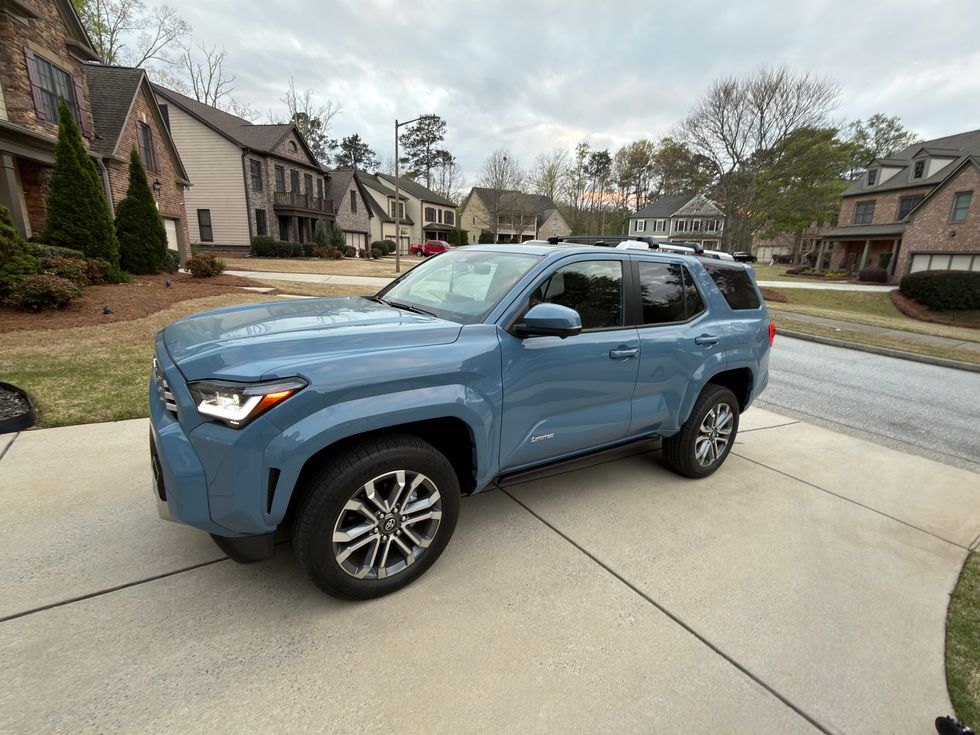
Since its 4th-generation introduction in 2025, the Toyota 4Runner has entered a new era. It’s now trying to balance its long-standing reputation for durability with modern expectations for comfort, efficiency, and technology.
 Daryl Killian
 Daryl Killian
 Daryl Killian
There’s one number that still defines this SUV better than anything else.
A 7-year-old Toyota 4Runner retains about 67% of its original value.
That level of resale value reflects trust that’s been built over decades.
With a redesigned platform and a new turbocharged powertrain, the question becomes unavoidable. Will this new 2026 model continue that legacy?
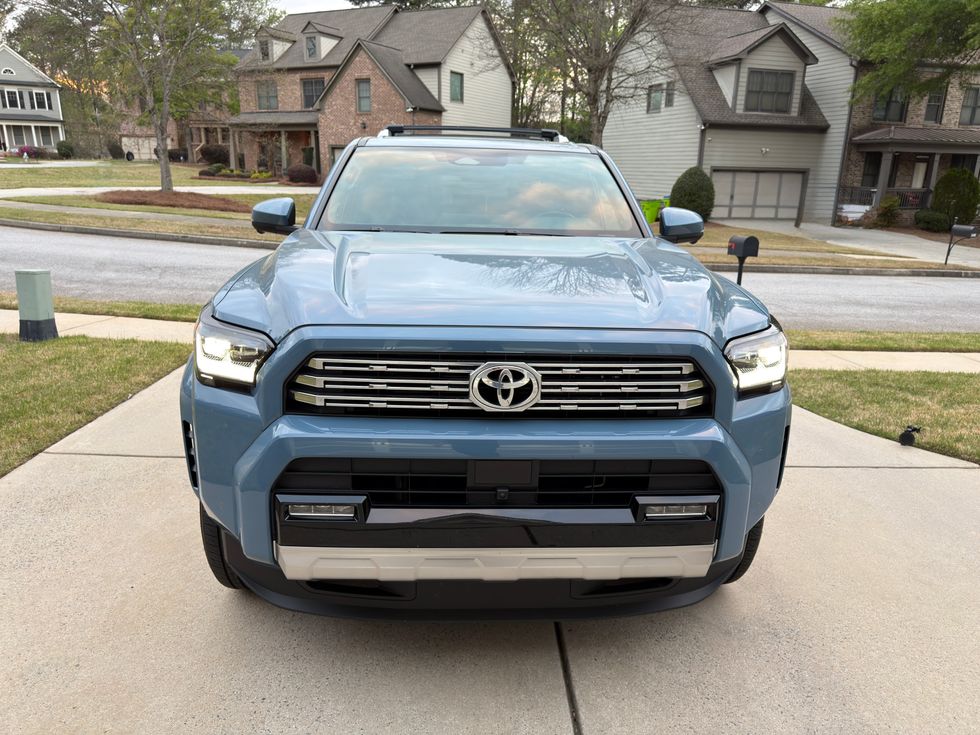
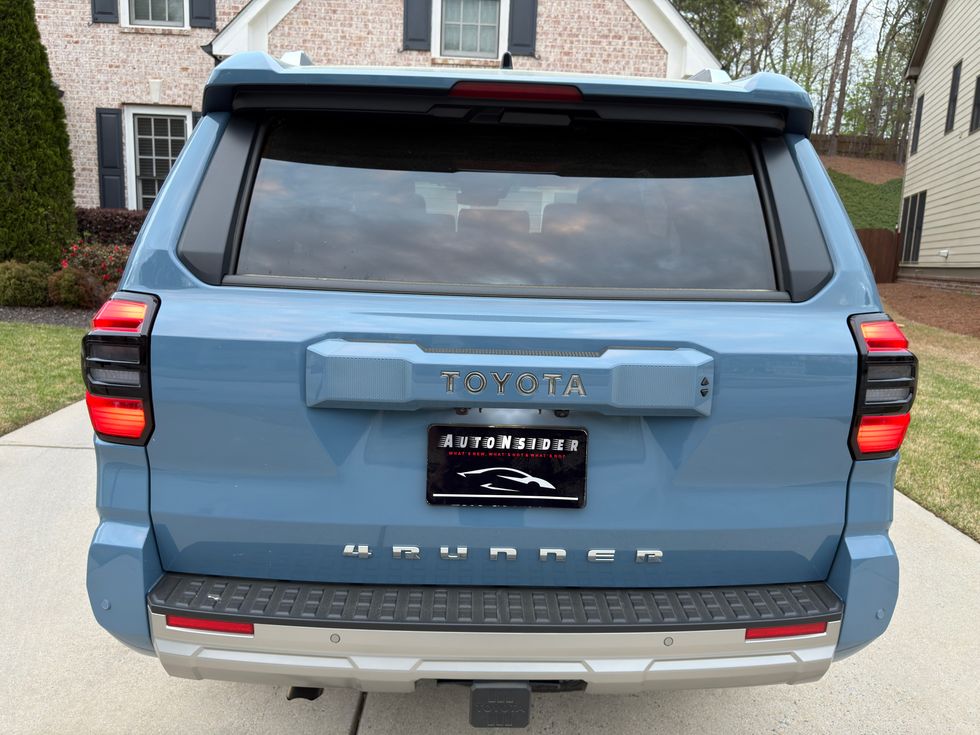
Week in the Seat: 2026 Toyota 4Runner Limited (Heritage Blue)
MSRP as tested: $62,560
Powertrain: 2.4L Turbocharged 4-Cylinder
Drivetrain: 4WD
Fuel Economy: 20 city, 24 highway, 21 combined
Estimated annual fuel cost: $2,500
Drivability
Toyota made a significant change under the hood.
The previous V6 is gone, replaced with a 2.4-liter turbocharged four-cylinder paired with an eight-speed automatic transmission.
In daily driving, the powertrain performs well. There’s enough torque to move this body-on-frame SUV with confidence, and it feels more responsive than previous versions.
But there’s a bigger consideration.
The 4Runner built its reputation on long-term durability and mechanical simplicity. A naturally aspirated V6 is a known quantity. A turbocharged four-cylinder in a vehicle like this is still being proven.
For buyers who plan to keep their vehicles for many years, that matters.
Fuel Economy and Range
On paper, the numbers suggest improvement.
This 4Runner is rated at 21 miles per gallon combined, with an estimated annual fuel cost of $2,500.
In real-world driving, the limitation becomes clear. The fuel range doesn’t support long-distance travel as well as expected. You’ll find yourself stopping for gas more often than you want to.
That interrupts the flow of a long drive.
This isn’t an ideal long-distance road trip vehicle.
Comfort and Interior
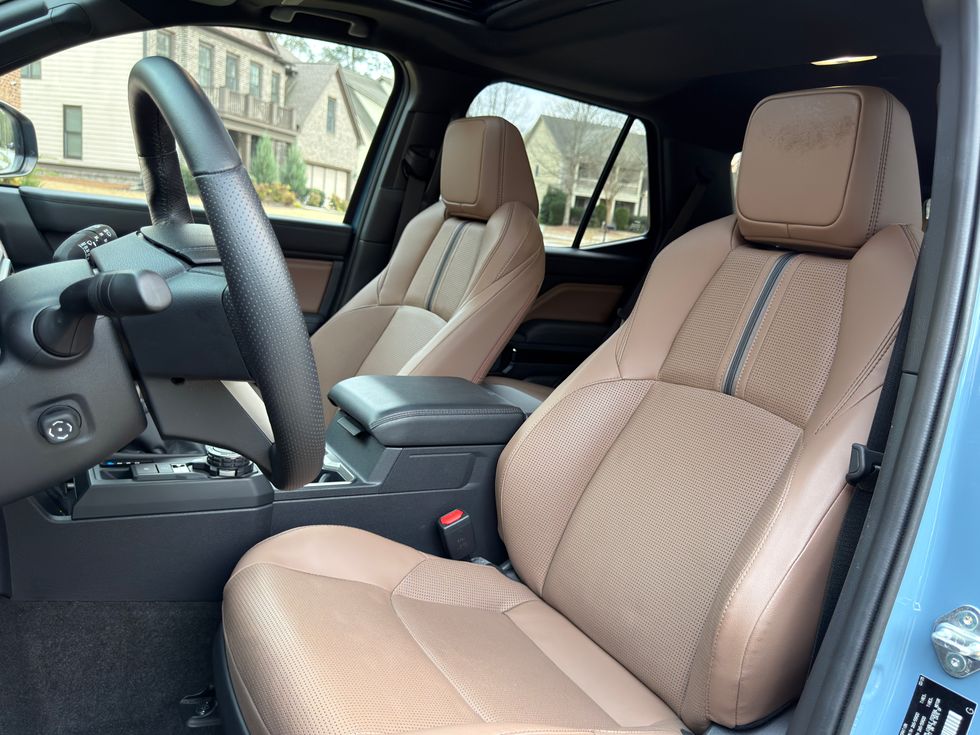
This is where the 4Runner Limited exceeded expectations.
Initially, it didn’t seem like a strong road trip option. My wife felt differently. After spending time in the vehicle, I’ve got to admit she was right.
 Daryl Killian
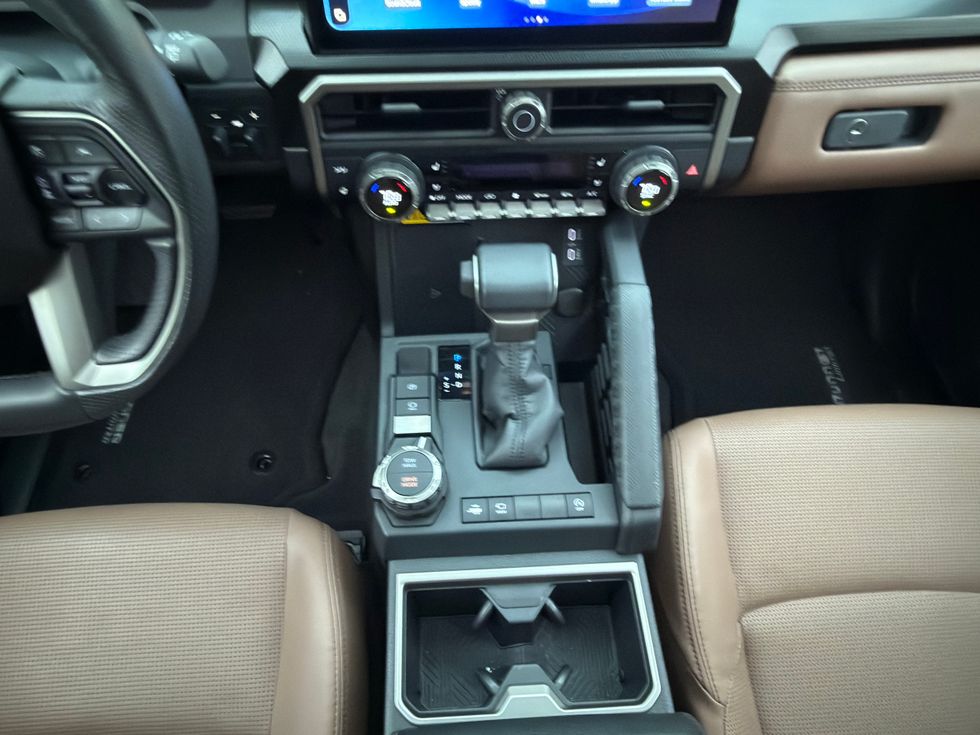
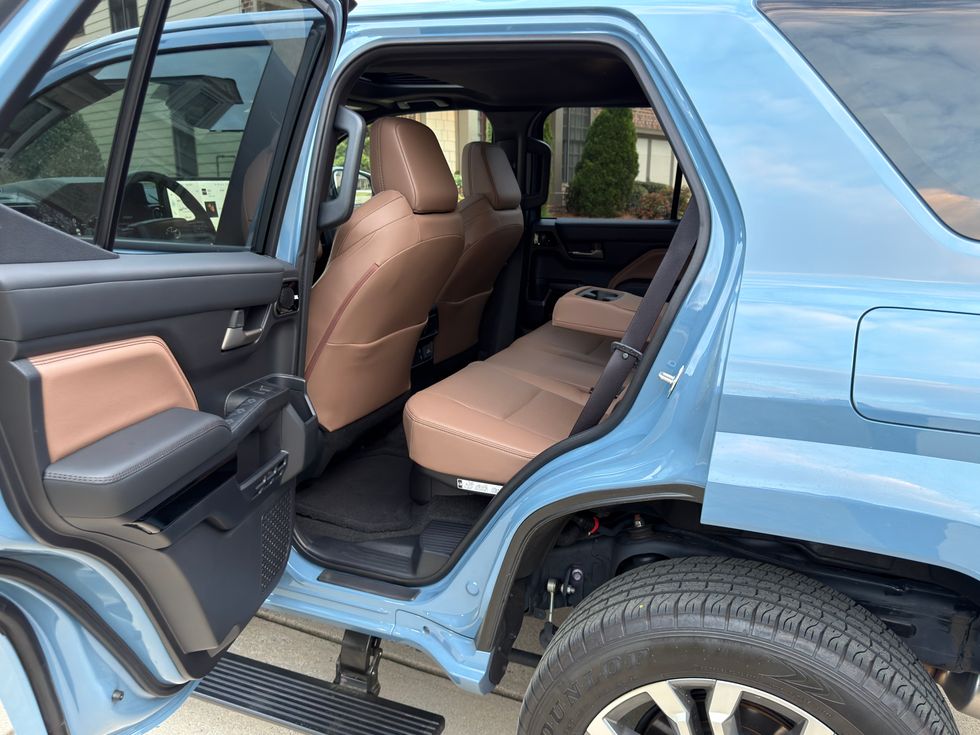
The seats are more comfortable than expected, and the Limited trim leans into a more refined experience overall.
 Daryl Killian
Materials feel upscale. The layout is clean. The technology is easy to use.
There is one drawback. The large sunroof cuts into headroom, and taller drivers will notice that immediately.
 Daryl Killian
Technology and Features
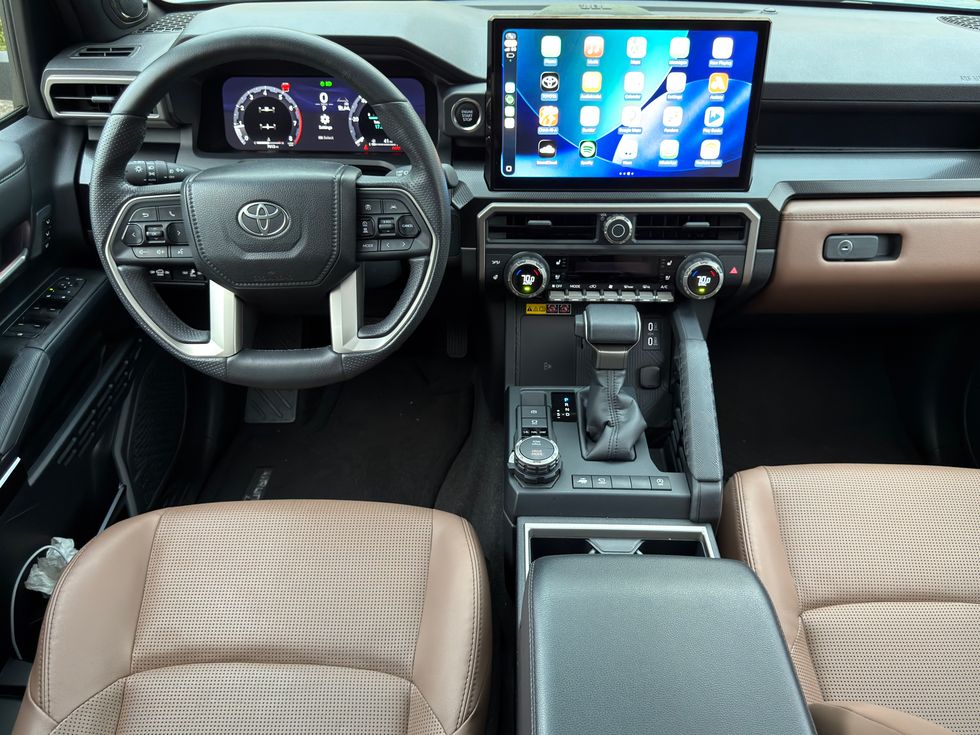
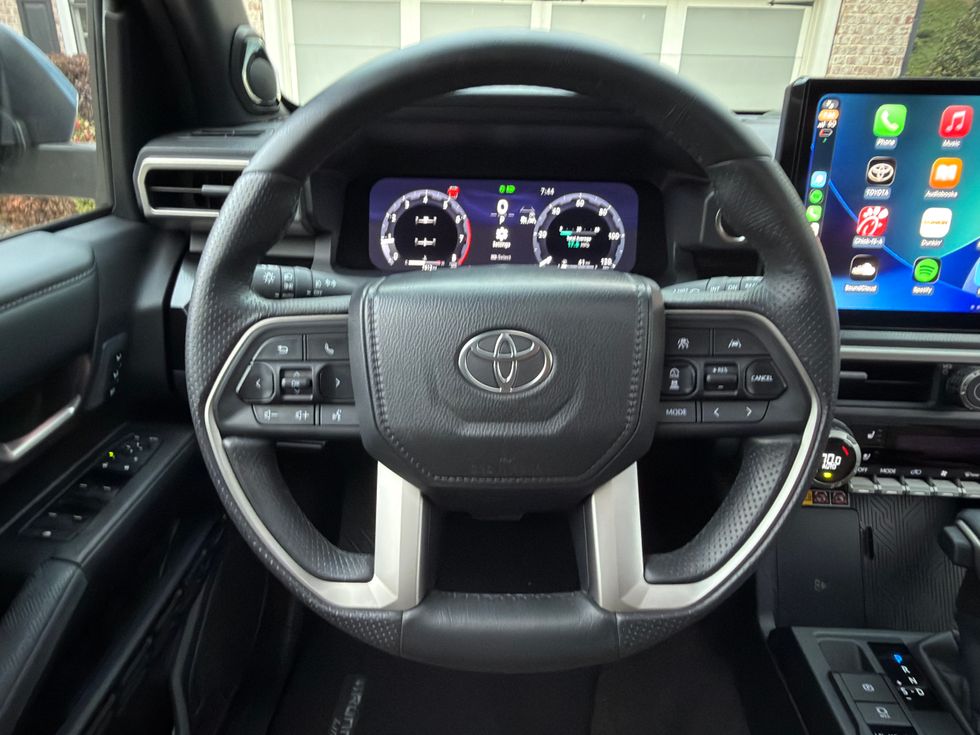
Toyota delivers a well-balanced technology experience.
The infotainment system is responsive and easy to navigate. Wireless connectivity works seamlessly. Physical controls remain intuitive, which makes everyday use simple.
 Daryl Killian
 Daryl Killian
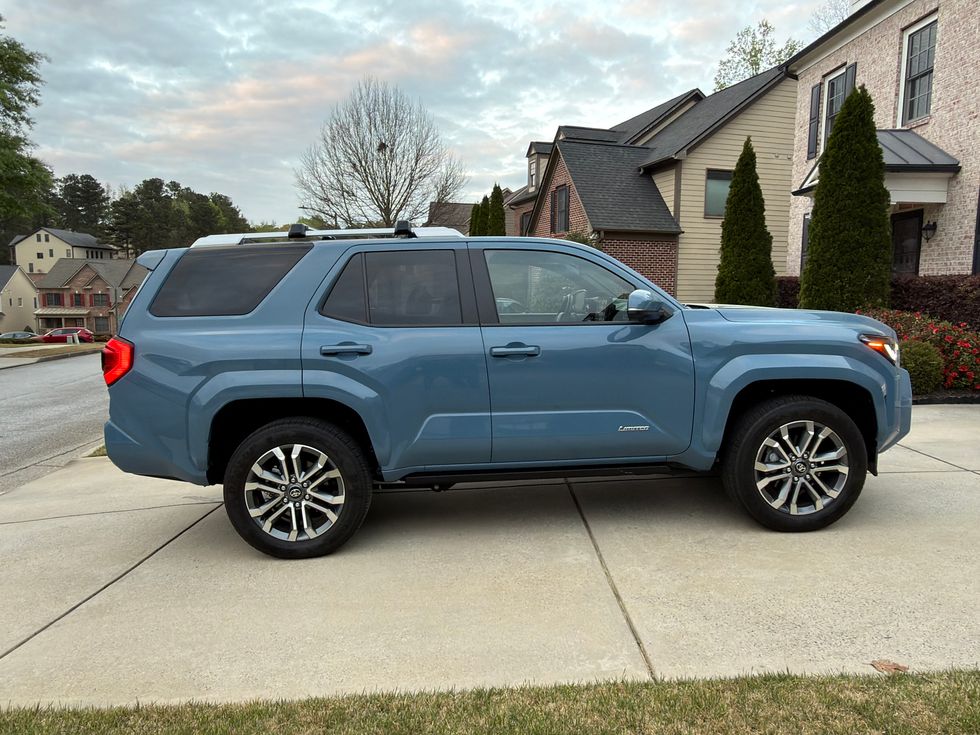
One standout feature is the power-retractable running boards.
They make getting in and out easy, then tuck away when you don’t need them. That also preserves ground clearance if the vehicle ever sees off-road conditions.
 Daryl Killian
Third Row Reality
Toyota deserves credit for creativity in packaging.
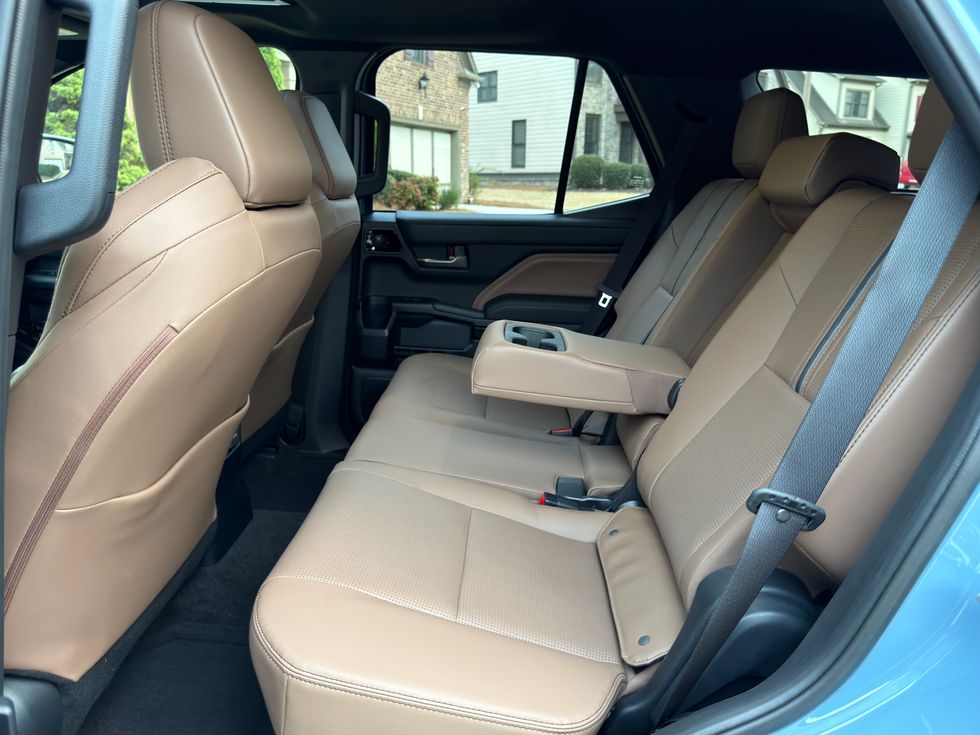
But the third row doesn’t offer meaningful usability.
It’s not suitable for adults, and even for occasional use, it falls short of expectations. It’s there, but it doesn’t add real value.
 Daryl Killian
Off-Road Perspective
Even in Limited form, the 4Runner still carries its core identity.
It remains a body-on-frame SUV with real capability. Most Limited buyers won’t take it off-road, but the engineering foundation is still there.
Final Thoughts
The 2026 Toyota 4Runner Limited is more refined, more comfortable, and more modern than previous generations.
At the same time, it introduces new considerations.
Fuel range limits long-distance usability.
The third row doesn’t add practical value.
And the long-term durability of the new turbocharged engine remains unknown.
The 4Runner built its legacy on reliability and strong resale value.
So the real question is straightforward. Will this new generation retain 67% of its value after seven years?
That answer will come with time.
Buyers Guide: 2026 Toyota 4Runner
| Trim Level | Starting MSRP (Est.) | Powertrain | Key Features |
| SR5 | $42,000 | 2.4L Turbo | Cloth interior, standard safety tech |
| TRD Sport | $45,000 | 2.4L Turbo | Sport styling, upgraded suspension |
| TRD Off-Road | $47,000 | 2.4L Turbo | Locking differential, terrain modes |
| Limited | $55,000 | 2.4L Turbo | Leather, premium tech, running boards |
| Platinum | $58,000 | 2.4L Turbo | Luxury features, advanced tech |
| TRD Pro | $60,000+ | Hybrid i-FORCE MAX | Off-road suspension, skid plates |
| Trailhunter | $60,000+ | Hybrid i-FORCE MAX | Overlanding equipment |
Competitive Comparison
| Vehicle | Starting Price | Strength | Weakness |
| Lexus GX 550 | $64,000 | Luxury and capability | Higher price point |
| Ford Bronco | $40,000 | Off-road performance | Interior refinement |
| Jeep Grand Cherokee | $42,000 | Comfort and technology | Resale value |
| Toyota Land Cruiser | $55,000 | Hybrid efficiency and heritage | Pricing overlap |