



In 1986, my parents bought me the wrong Honda Prelude.
I had asked for a 1983 second-generation model with the pop-up headlights. That was the Prelude I had pictured in my driveway.
Unfortunately, it was also more than my parents could afford.
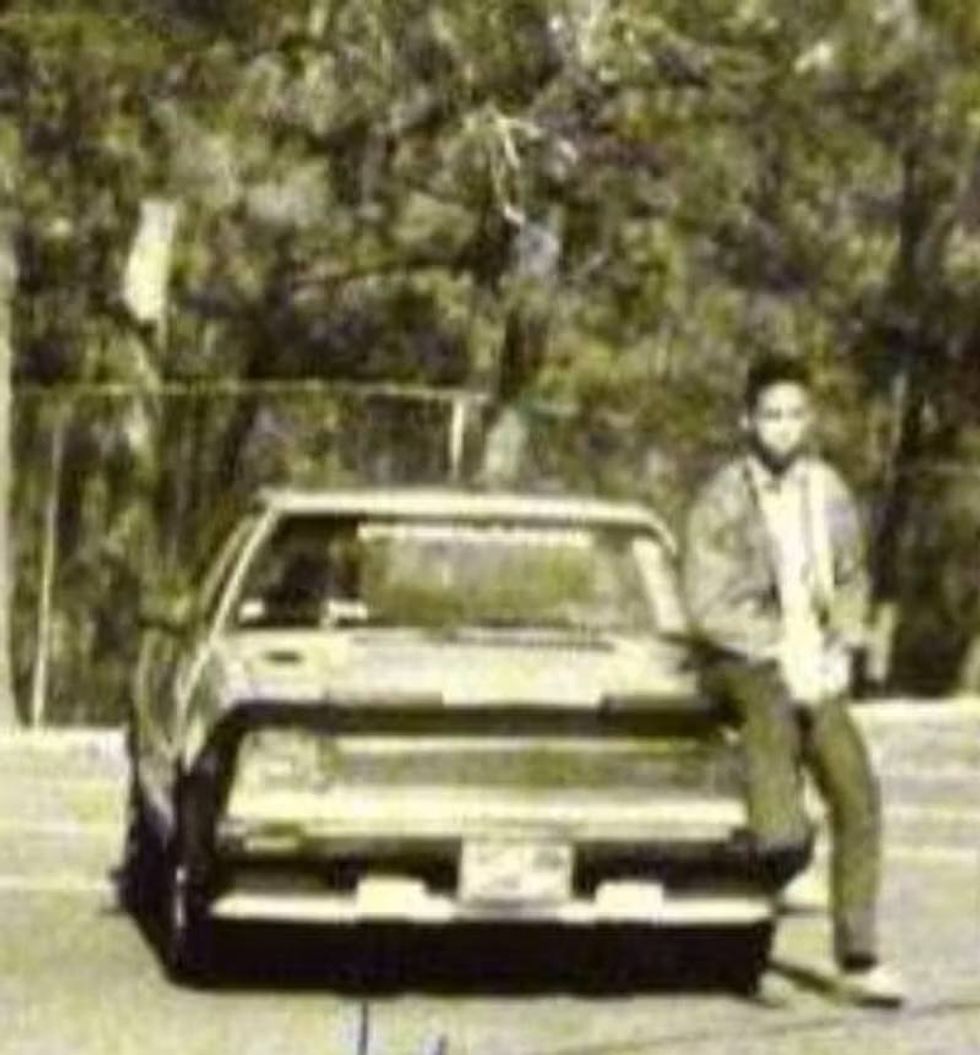
They found me a used 1981 Prelude instead. It was silver with a burgundy interior, which seemed to be one of the most common Honda color combinations of that period.
 Daryl Killian
Any disappointment disappeared quickly. I fell in love with that car.
I also drove it like I believed I was behind the wheel of a genuine sports car. The multiple head gaskets I damaged provided evidence of how seriously I took that belief.
The repair bills produced one positive result. I enrolled in automotive classes at my high school and learned how to repair the car myself.
Looking back at a career that has included automotive manufacturing, sales, service, fixed operations management, wholesale purchasing, automotive radio, and hundreds of vehicle reviews, that first Prelude may have been my introduction to the automotive business.
That history explains why I was excited when Honda announced the Prelude would return for 2026.
My excitement faded when I learned the new model would be a hybrid with no manual transmission. I expected Honda to revive the name without reviving its character.
After spending a week with the new Prelude, I respect what Honda has done.
Understanding What the Prelude Is
The first mistake a shopper can make is evaluating the Prelude as a replacement for the Civic Type R.
Honda doesn’t call it a sports car. The company positions it as a grand touring coupe that combines sophisticated styling, dynamic capability, Type R chassis hardware, and a driver-focused cabin.
 Daryl Killian
 Daryl Killian
Within Honda’s performance lineup, the Civic is the everyday fun option; the Civic Si represents pure sport; the Prelude serves as the hybrid grand touring model; and the Civic Type R remains the ultimate performance vehicle.
That positioning explains many of Honda’s decisions.
The Prelude is intended to be comfortable enough for daily driving, efficient enough for commuting, and engaging enough to make an ordinary road interesting. It is not intended to deliver the raw performance of a track-focused coupe.
Styling That Looks More Expensive
The Prelude’s appearance may be its strongest selling point.
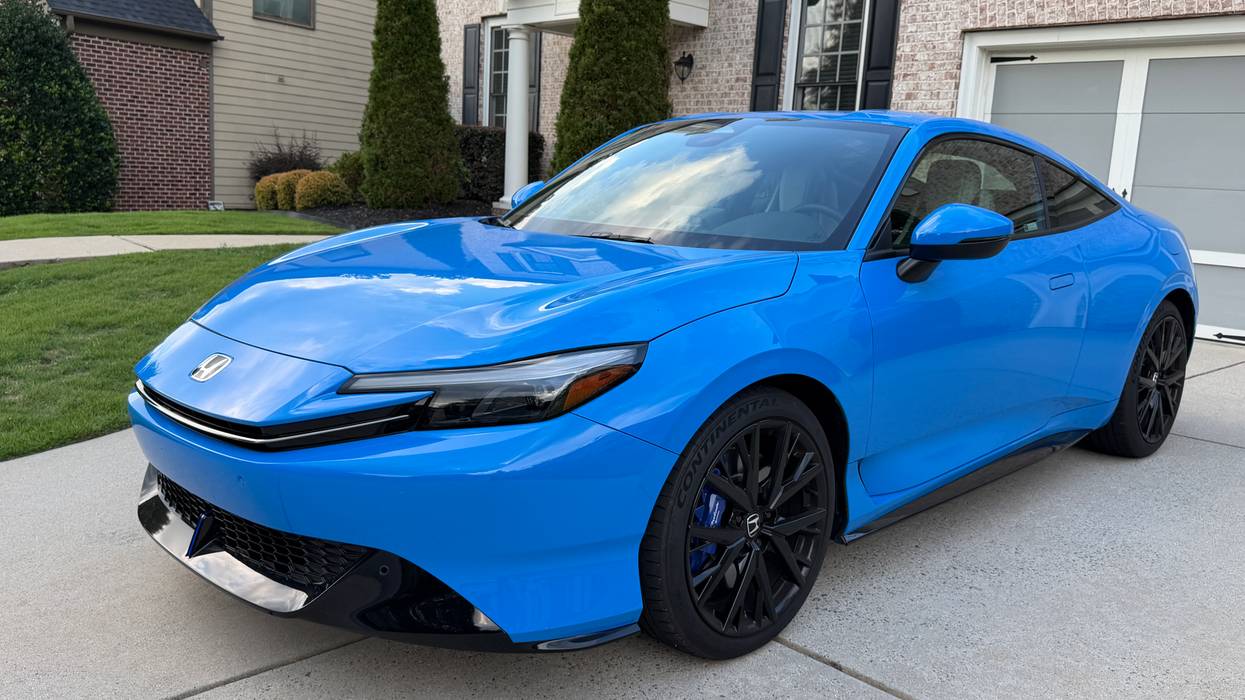
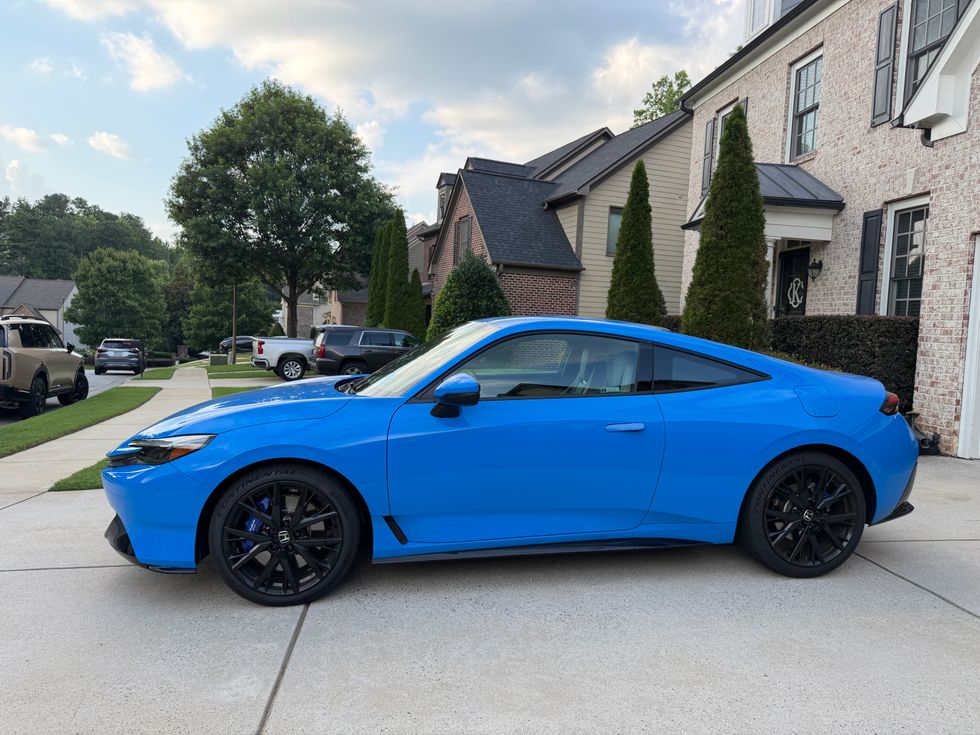
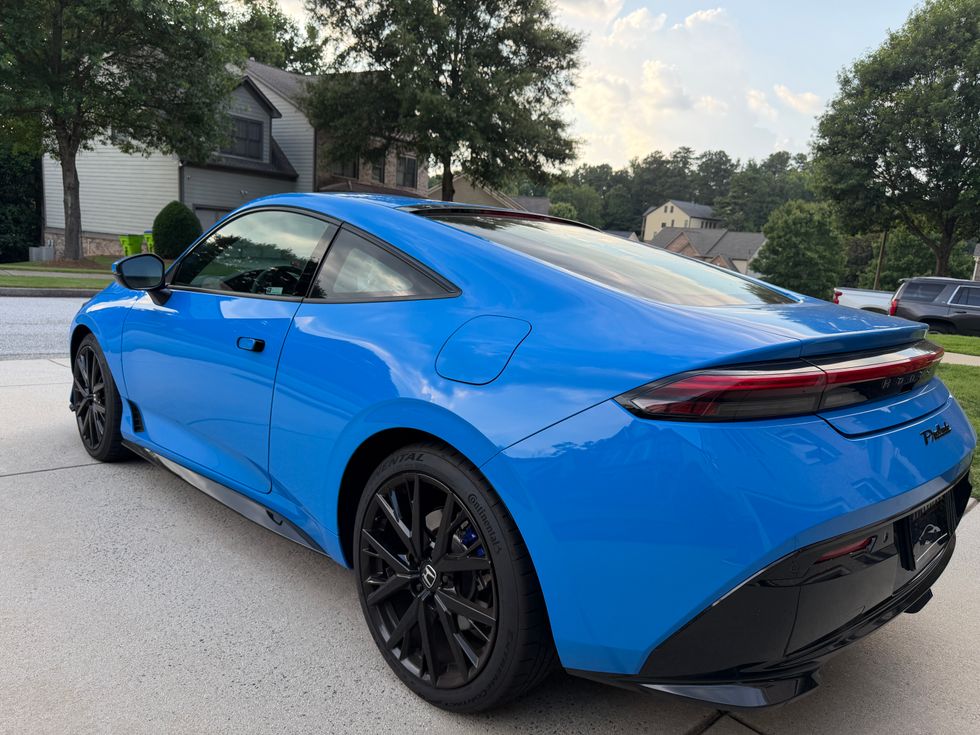
The Boost Blue Pearl paint emphasizes the wide body and clean surfaces. The car measures 74 inches wide, five inches wider than the final Prelude sold in 2001. Honda uses horizontal design elements, muscular fenders, and narrow lighting to create a planted stance.
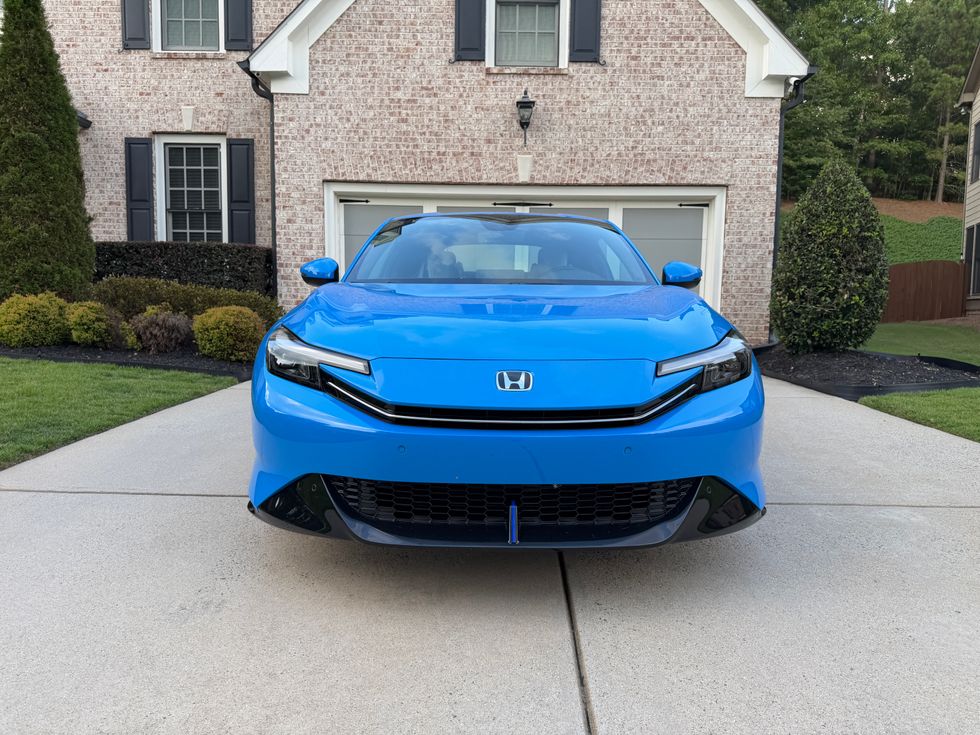 Daryl Killian
It is also the first Honda sold in the United States with completely flush door handles. The antenna is integrated into the liftback glass, and a laser-brazed roof eliminates the need for conventional roof molding.
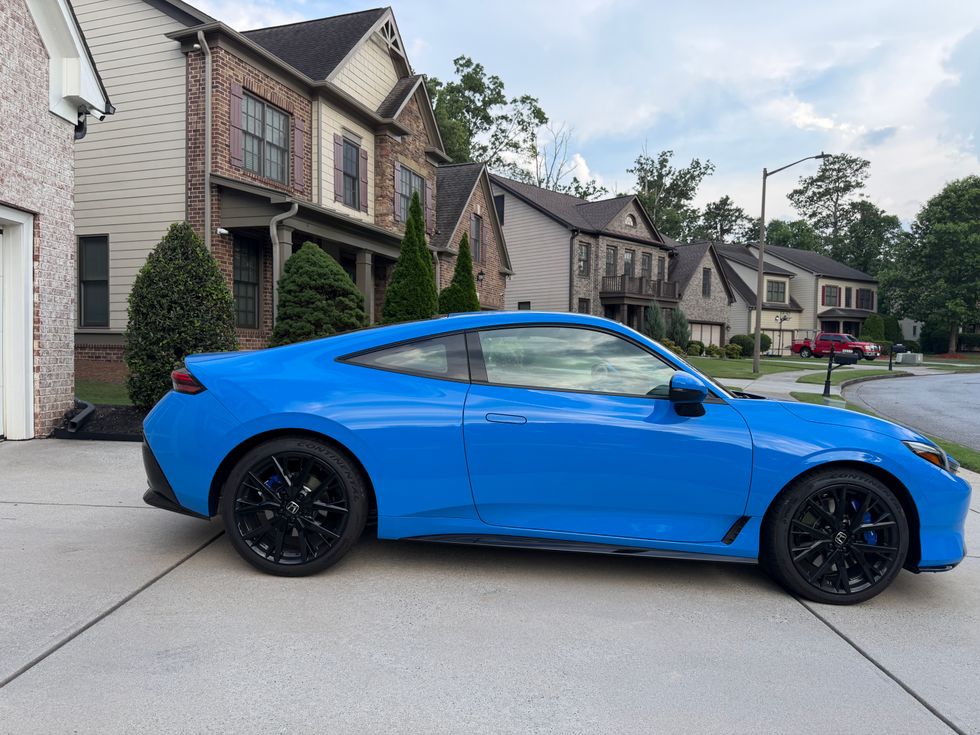 Daryl Killian
Two middle-aged gentlemen approached the vehicle while I was filming. From the front, they thought it was a Porsche. They only reconsidered after locating the Honda emblem.
My wife and daughter called it cute. Regardless of the adjective, the Prelude gets attention.
A Hybrid That Does Not Behave Like a Typical Economy Car
The Prelude combines a 2.0-liter direct-injection Atkinson-cycle engine with Honda’s two-motor hybrid system. Total output is 200 horsepower and 232 pound-feet of torque.
The system is rated at 46 mpg in the city, 41 on the highway, and 44 combined.
Honda states that the direct drive system is not a CVT. During much of urban driving, an electric propulsion motor drives the wheels. The gasoline engine can generate electricity, while a clutch allows it to connect directly to the wheels during light-throttle highway operation.
Acceleration is respectable rather than exciting. The immediate response of the electric motor makes the car feel alert around town, but buyers should not expect the acceleration of a Mustang EcoBoost, BMW 230i, or Civic Type R.
The handling is where the Prelude separates itself from an ordinary hybrid.
Honda uses dual-axis front suspension hardware, adaptive dampers, steering components, and Brembo front brakes derived from the Civic Type R. The quick steering and controlled body motions give the Prelude confidence around sharp curves without making it uncomfortable during daily use.
The summer tires fitted to my test vehicle added considerable grip. They also come with a warning. Honda advises that their performance will be significantly reduced at temperatures of approximately 45 degrees or below.
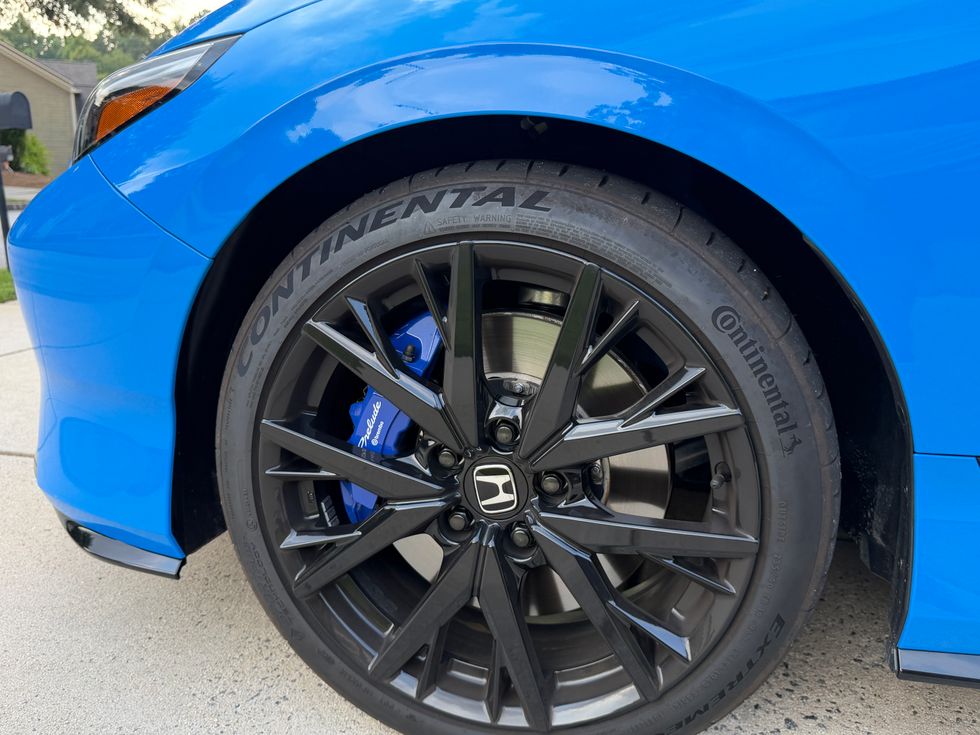 Daryl Killian
S+ Shift Changes the Experience
S+ Shift was my biggest surprise.
I expected simulated gear changes to feel artificial. Instead, the system gives the driver meaningful control over the Prelude’s character.
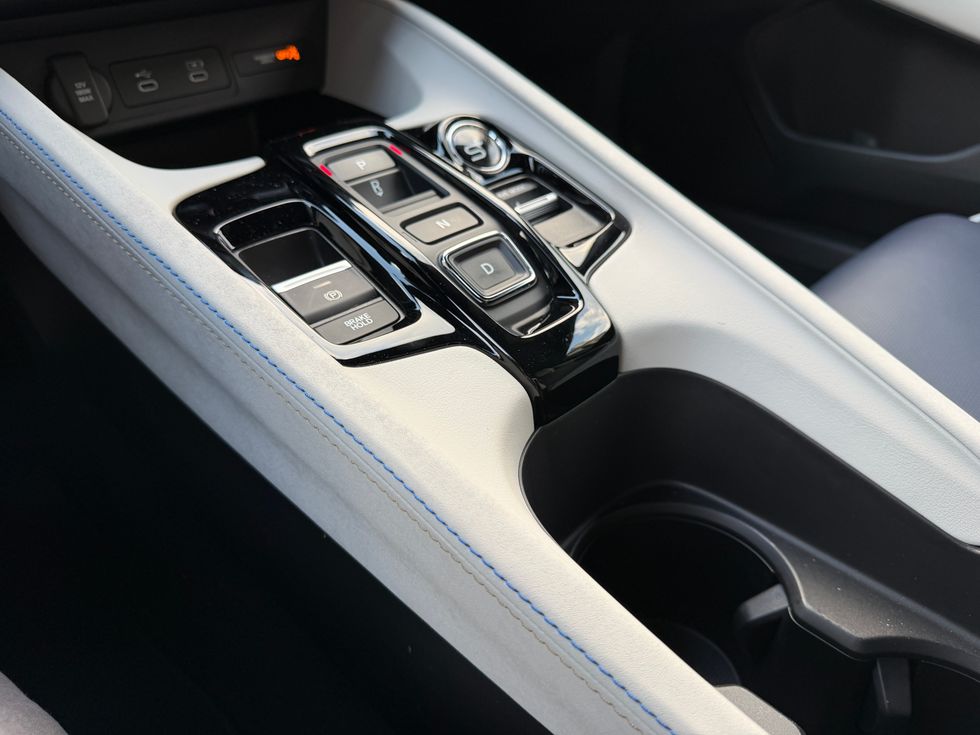 Daryl Killian
Sport mode adds heavier steering, firmer damping, sharper response, enhanced sound, and more aggressive virtual shifting.
GT balances performance with comfort.
Comfort lightens the steering, softens the dampers, and reduces powertrain sound.
Individual allows the driver to configure steering, response, suspension damping, sound, and instrument display preferences independently.
The system cannot reproduce the mechanical connection of a manual transmission. It does, however, give the driver more involvement than I anticipated from a hybrid.
Comfortable in Front, Compromised in Back
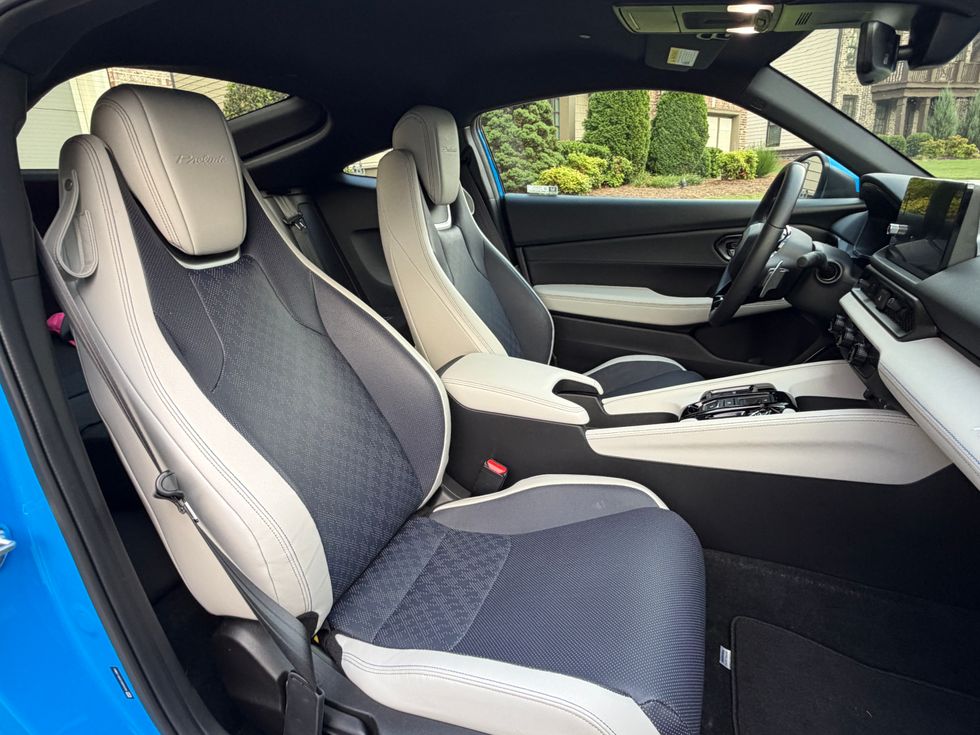
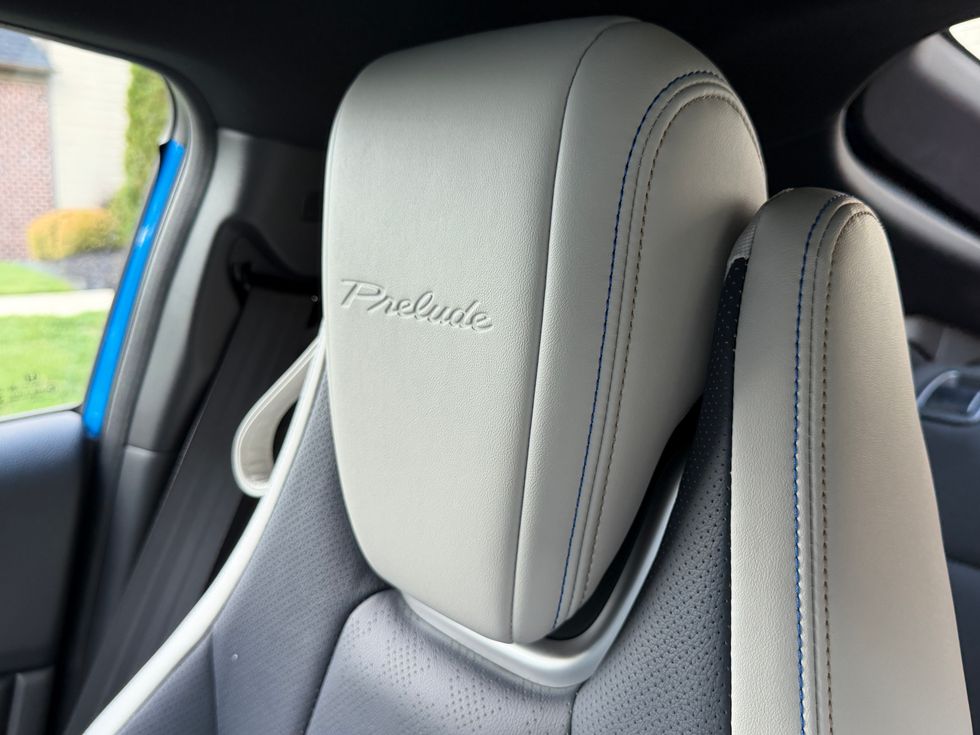
The front sport seats are supportive and comfortable. Soft leather, perforated houndstooth inserts, blue stitching, and embossed Prelude logos help the cabin feel special.
 Daryl Killian
 Daryl Killian
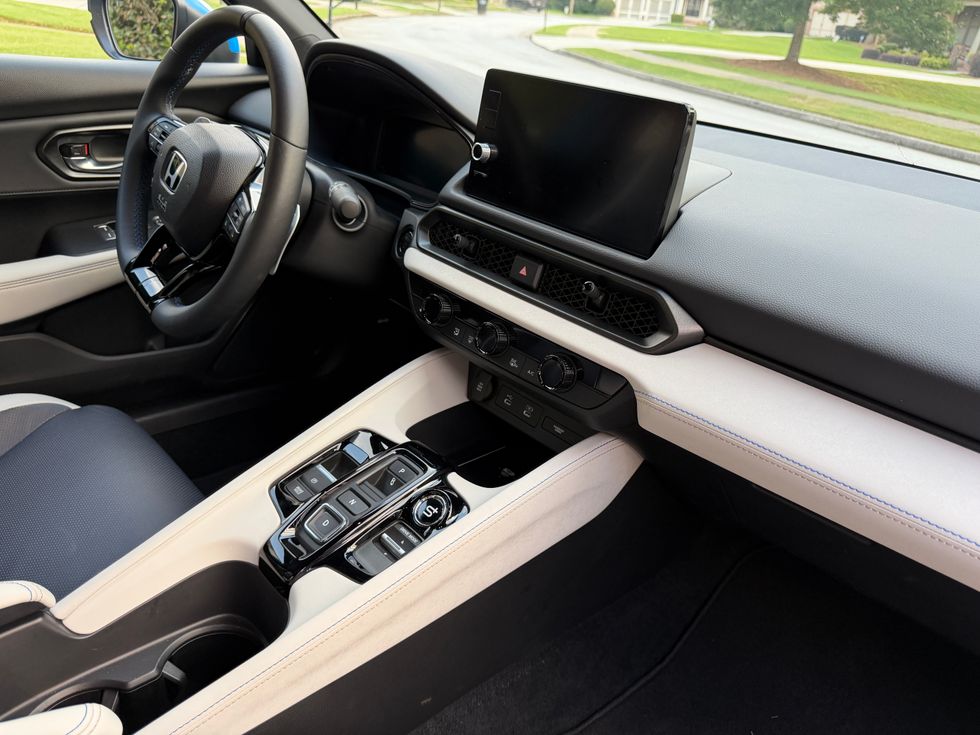
The standard equipment list includes a 10.2-inch digital cluster, 9-inch touchscreen, Google built-in, wireless smartphone integration, wireless charging, and an eight-speaker Bose audio system with a subwoofer.
 Daryl Killian
The Bose system sounds excellent, and my wife and daughter found the front passenger seat surprisingly comfortable.
Their reaction to the rear seat was less favorable. They could not understand why Honda installed a seat that is nearly unusable for adults.
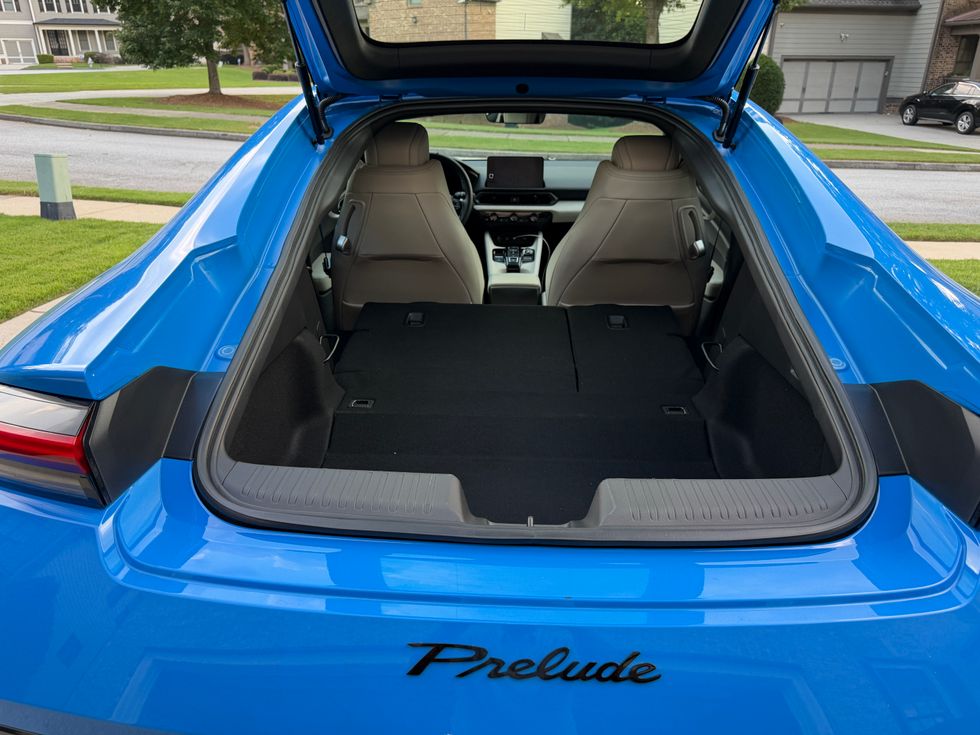
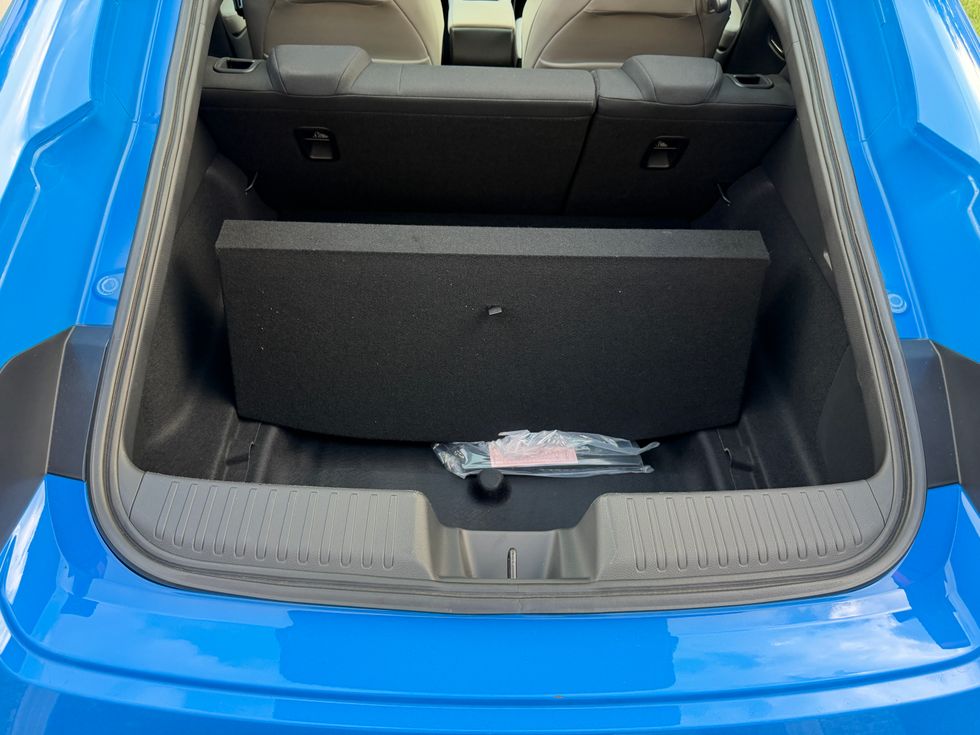
The rear area is best viewed as emergency seating or additional storage. Fortunately, the liftback provides 15.1 cubic feet of cargo space behind the rear seat, and the seatbacks fold in a 60/40 split.

 Daryl Killian
 Daryl Killian
The Prelude looks like a coupe but provides some of the convenience of a hatchback.
The Dealer Secret
The vehicle’s window sticker lists a base MSRP of $42,000. Boost Blue Pearl adds $455, and destination adds $1,195, bringing the total to $43,650.
The dealer installed summer tires on my vehicle, which cost approximately $1,200, but are not shown on the Monroney.
A vehicle equipped exactly like the test car could therefore cost approximately $44,850 before taxes and fees.
Buyers should verify which tires are installed, whether their cost is included in the advertised price, and whether the original all-season tires are provided.
My Largest Complaint
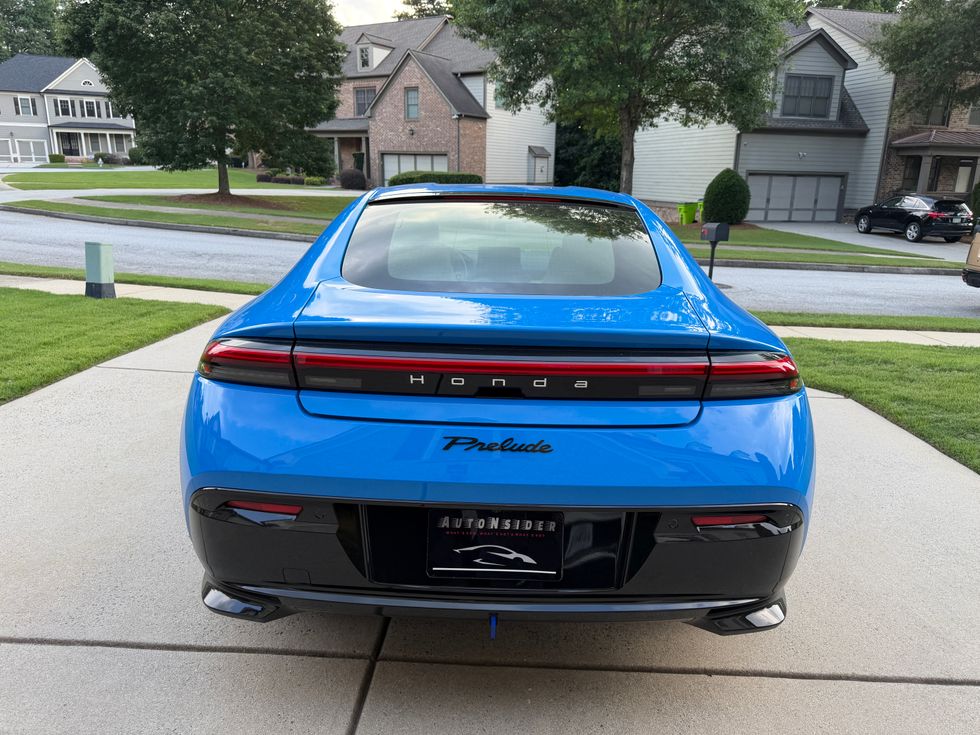
Rear visibility is poor.
The C pillars create a significant obstruction when the driver looks over either shoulder. Blind-spot monitoring and rear cross-traffic detection help, but they cannot replace a direct line of sight.
The problem became worse on humid mornings when condensation covered the rear glass.
The liftback needed a rear windshield wiper.
 Daryl Killian
The Competition
The Prelude’s competitors approach the coupe market from different directions.
The Toyota GR86 and Subaru BRZ offer Rear Wheel Drive and manual transmissions. They are better choices for a traditional sports car buyer.
The Civic Si offers a manual transmission, more passenger space, and a substantially lower price.
The Acura Integra delivers more practicality and an available manual transmission on selected versions.
The Mustang EcoBoost offers far more power.
The Mazda MX-5 Miata offers a lighter, more intimate driving experience.
The BMW 230i offers stronger acceleration and a more luxurious grand touring experience.
The Prelude’s advantage is its combination of appearance, efficiency, comfort, rarity and handling. None of the alternatives matches that exact formula.
Would I Spend My Money?
I would consider buying the Prelude with my own money.
Nostalgia plays a role, but it is not the only reason.
The Prelude looks special. It handles extremely well. It is comfortable enough for daily use and efficient enough to return an EPA-rated 44 mpg combined. Honda also expects an annual volume of approximately 4,000 units, giving the vehicle a level of exclusivity that most Hondas lack.
The price is still difficult to ignore.
I believe the Prelude would be significantly more attractive in the $30,000 range. A conventional gasoline engine and an available manual transmission would have expanded its appeal to enthusiasts.
At nearly $45,000 with the summer tire package, buyers must value the complete experience rather than horsepower alone.
AutoNsider Decision
The AutoNsider Decision is Shop It.
The Prelude is best for a buyer who wants a distinctive, efficient daily driver with excellent handling, advanced technology, and limited production.
- Buy it when: Styling, efficiency, exclusivity, comfort, and handling matter more than outright speed.
- Compare it when: You are deciding between the Prelude, Civic Si, Acura Integra, Toyota GR86, Subaru BRZ, or BMW 230i.
- Skip it when: You require Rear Wheel Drive, a manual transmission, usable adult rear seating, or raw performance. Performance purists should choose a Civic Si, Toyota GR86, Subaru BRZ, Mazda MX-5 Miata, or another vehicle designed around a traditional enthusiast formula.
The Prelude is not the sports car my sixteen-year-old self wanted.
It may be the balanced, comfortable, and engaging coupe that makes more sense for the buyer I am today.
AutoNsider Buying Scorecard
| Category | Score | Assessment |
| Exterior design | 9.2 | Distinctive, wide and expensive looking |
| Handling | 9.1 | The vehicle’s strongest dynamic attribute |
| Acceleration | 7.4 | Responsive enough, but not truly quick |
| Ride and comfort | 8.5 | Controlled without becoming punishing |
| Fuel efficiency | 9.3 | Excellent for a sporty specialty coupe |
| Interior and technology | 8.6 | Strong standard equipment and excellent audio |
| Practicality | 7.5 | Useful hatch offset by the poor rear seat |
| Visibility | 5.8 | C pillars and missing rear wiper are concerns |
| Value | 7.0 | Well-equipped but expensive relative to output |
| Ownership appeal | 9.2 | Nostalgia, rarity and design create emotional value |
Overall AutoNsider Buying Score: 82 out of 100
Final One for the Road Closing
“One for the Road: The 2026 Prelude is not the car I asked Honda to build. Then again, the 1981 Prelude was not the car I asked my parents to buy. That first disappointment helped introduce me to automotive repair and may have started my entire career. This new Prelude reminded me that the right car is not always the one that matches the picture in your head. Sometimes it is the one that surprises you after you turn the key, press the button, and take the long way home.”


