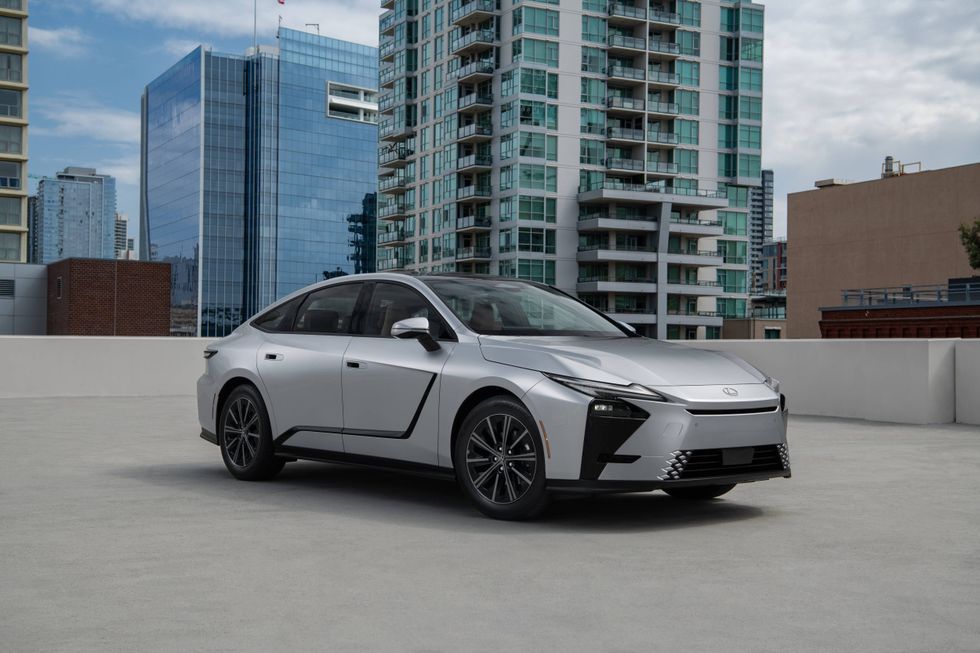


The Lexus ES has never been the aspirational luxury sedan. It was never the poster car hanging on bedroom walls. Nobody rushed to valet the ES, hoping people would notice.
And unlike many German competitors, the ES never built its reputation around performance bragging rights or aggressive styling.
Instead, the ES became something arguably more important: The safe luxury buy.
For decades, the ES quietly built one of the strongest reputations in the industry for reliability, comfort, refinement, resale value, and attainable luxury without the fear of long-term elevated ownership costs.
And honestly, longtime ES owners have always understood something outsiders often missed:
The ES has been the real flex in luxury sedans all along.
Not because it screamed for attention.
But because it never had to.
When the ES first arrived in 1989 as the original ES 250, it felt heavily tied to its Toyota roots. Early generations looked more like upscale Toyotas with extra body cladding, softer leather, quieter cabins, and improved appointments. Over time, Lexus intentionally evolved the ES into its own identity while maintaining the core values buyers loved.
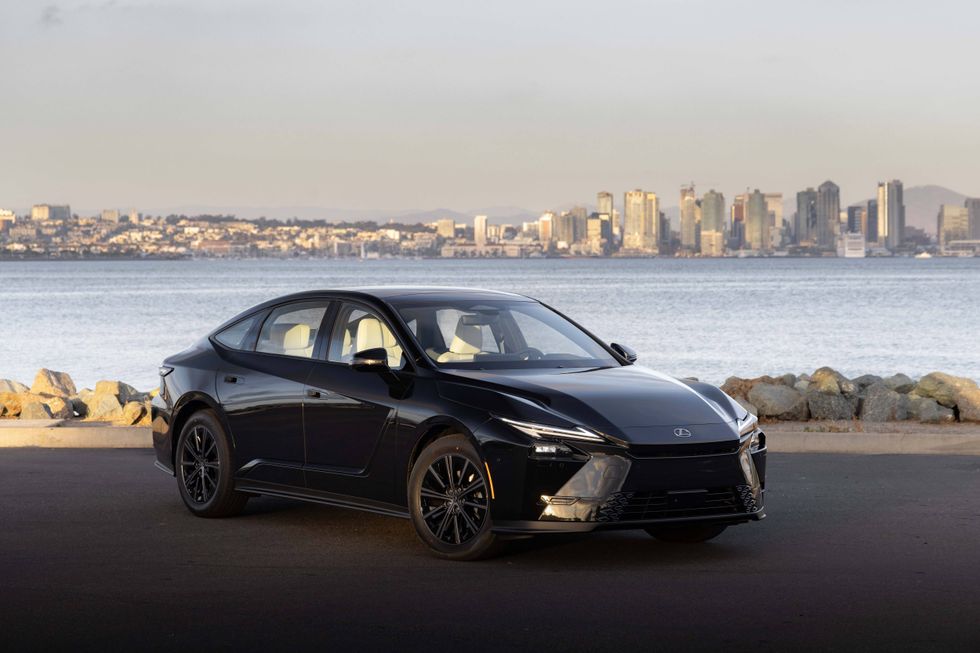
Now, this all-new eighth-generation 2026 Lexus ES may represent the biggest transformation in the sedan’s history.
And the timing is fascinating.
Just when it looked like luxury sedans were quietly fading away in favor of SUVs, Lexus decided to go bold.
Very bold.
The design immediately signals that this is no longer the conservative ES buyers have known for decades. The proportions are dramatically different. The new ES is 6.5 inches longer, 2.2 inches wider, 4.5 inches taller, and rides on a wheelbase stretched by 3.1 inches compared to the previous generation.
Those numbers matter because they fundamentally affect the vehicle's presence and usability.
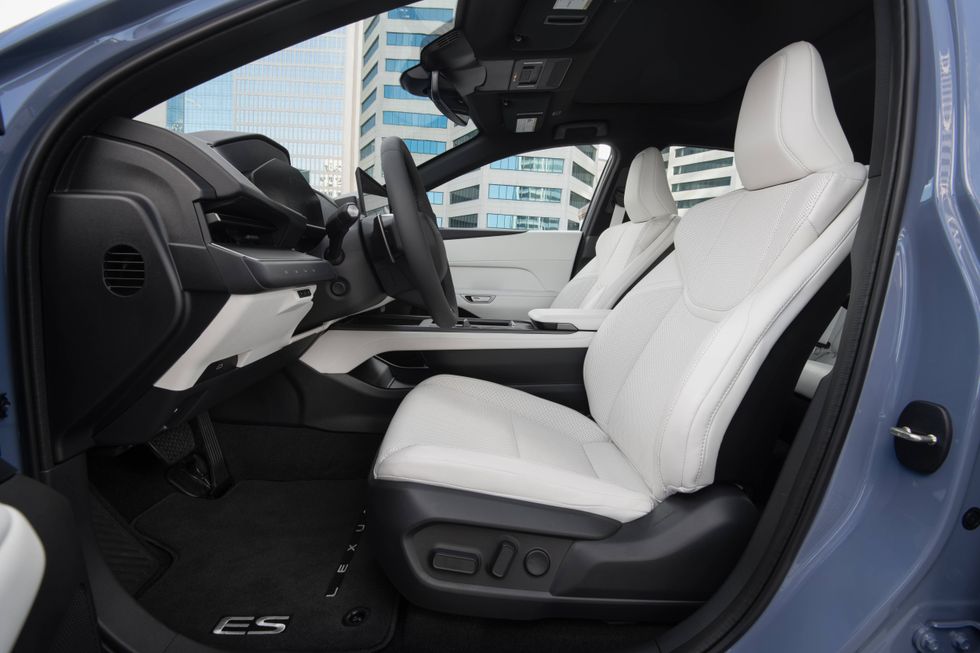
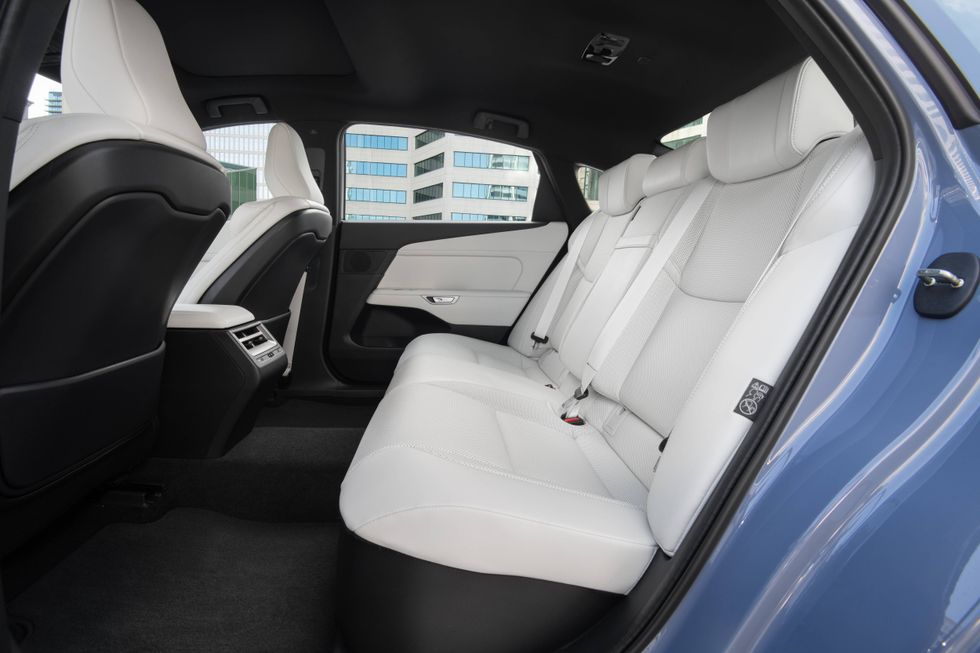
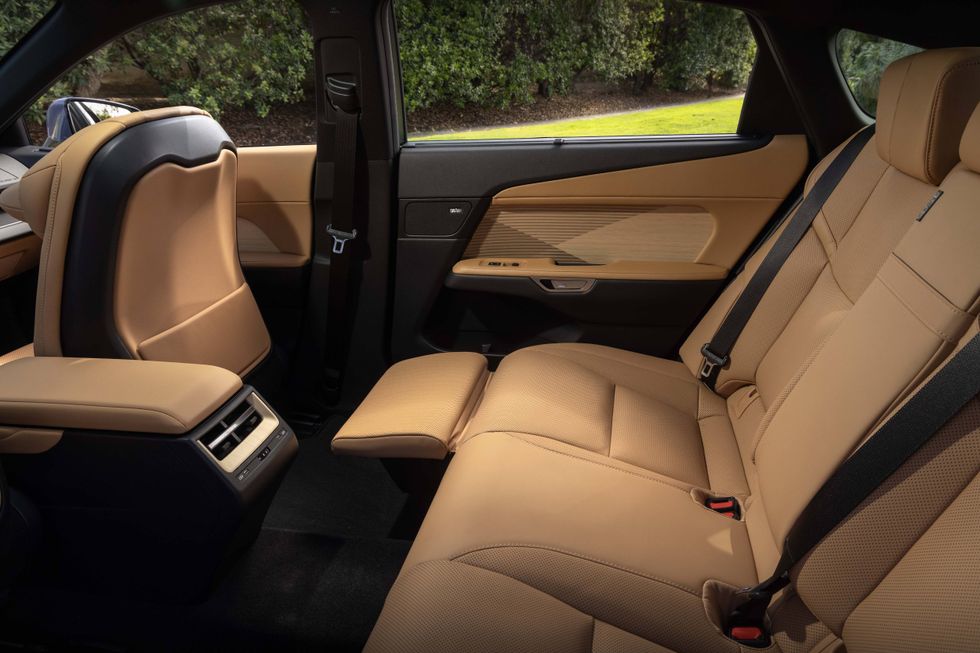
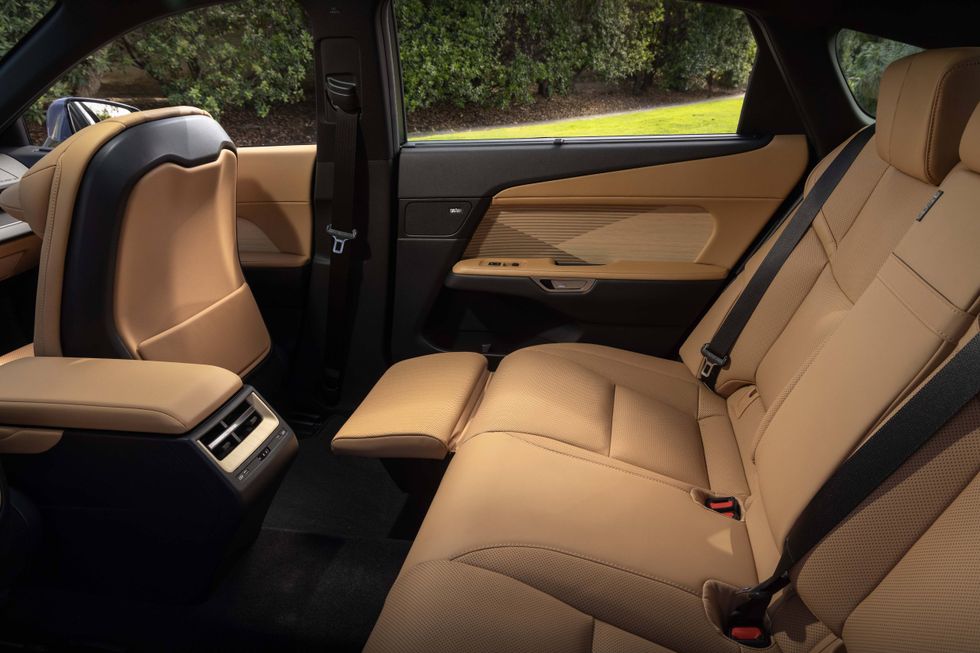
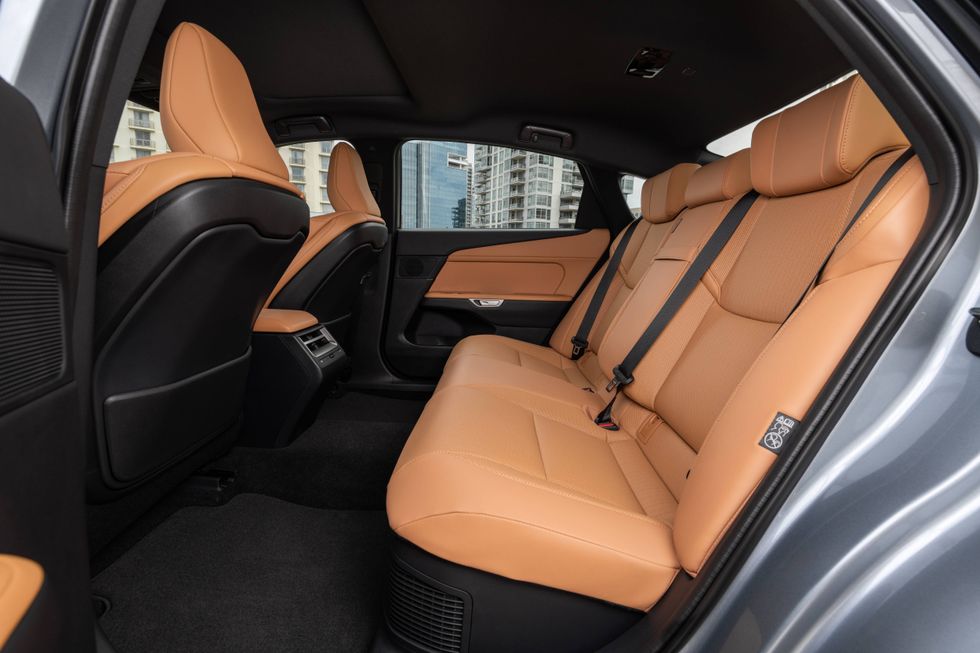
The longer wheelbase improves rear legroom by 1.4 inches, while front shoulder room grows by 1.6 inches, and front hip room increases by 1.9 inches.
The result is a sedan that feels noticeably more substantial, spacious, and upscale without looking oversized or bulky.
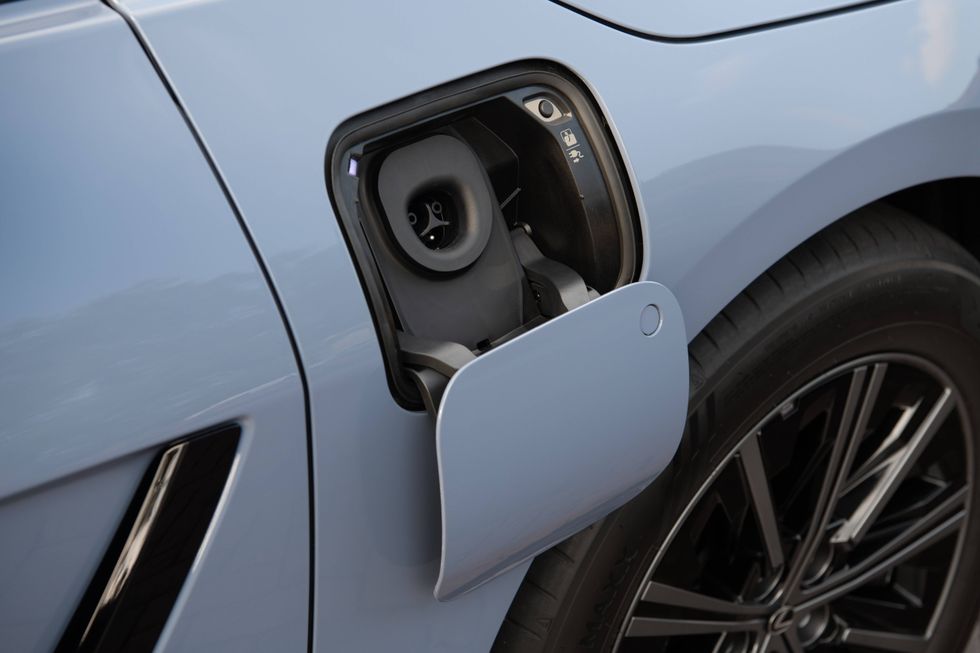
And importantly, Lexus made the strategic decision to offer both hybrid and fully electric versions with essentially the same design language.
That matters more than many people realize.
Some buyers are ready to go fully electric.
Others still have concerns about charging infrastructure, long-term battery ownership, or road trip practicality.
Lexus avoids alienating either buyer by allowing them to choose the powertrain that fits their lifestyle without sacrificing styling or status.
Frankly, it feels like one of the smartest luxury market decisions we’ve seen in years.
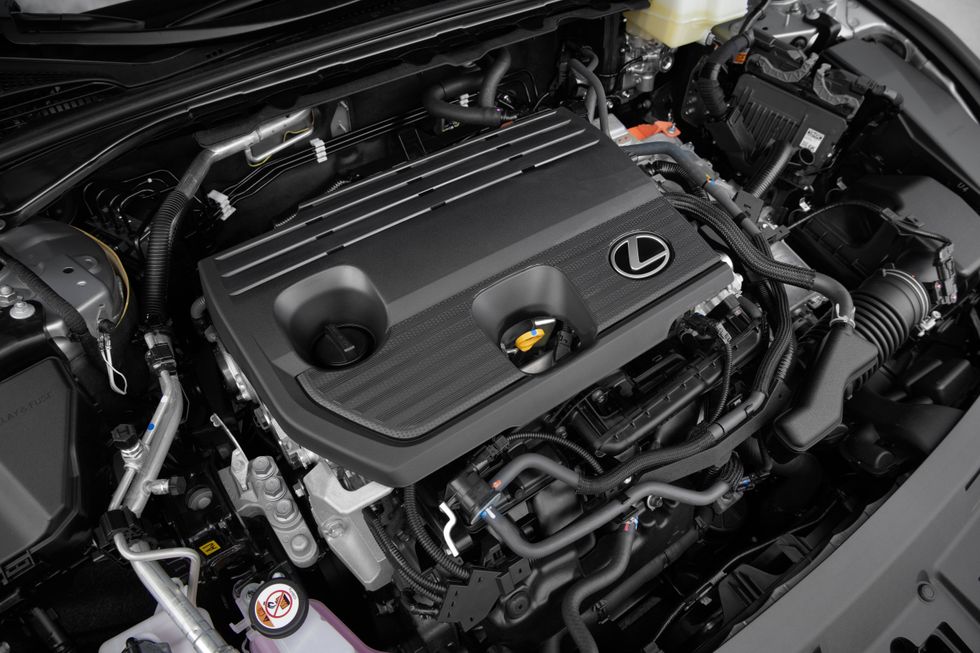
The hybrid models will likely become the volume sellers, and Lexus knows it. The sixth-generation hybrid system produces 244 horsepower and delivers an estimated 44 MPG combined with all-wheel drive, and up to 46 MPG combined in Front Wheel Drive form.
Those fuel economy numbers are remarkable for a midsize luxury sedan with this level of comfort and space.
At a time when fuel prices continue to fluctuate, and many consumers remain hesitant about full EV ownership, the ES 350h may ultimately hit the sweet spot for the modern luxury buyer.
Meanwhile, the fully electric ES 350e and ES 500e finally bring competitive range figures to the Lexus EV conversation. The Front Wheel Drive ES 350e offers up to 307 miles of estimated range, while the dual motor ES 500e produces 338 horsepower and reaches 60 mph in approximately 5.1 seconds.
More importantly, these EV models no longer feel compromised or experimental.
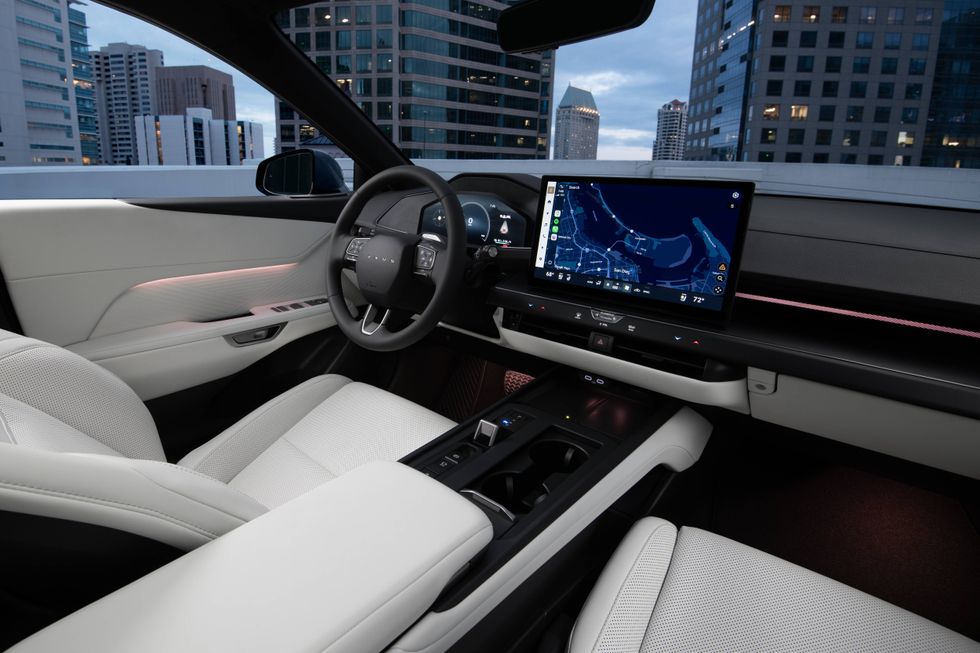
They feel ready. Inside, Lexus found a balance that many automakers still struggle to achieve.
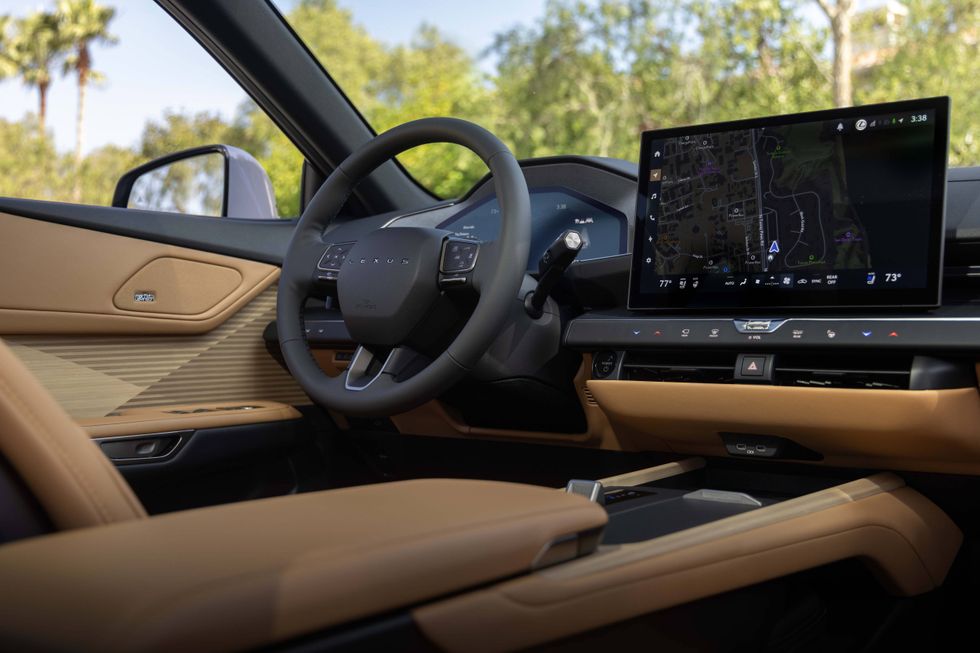
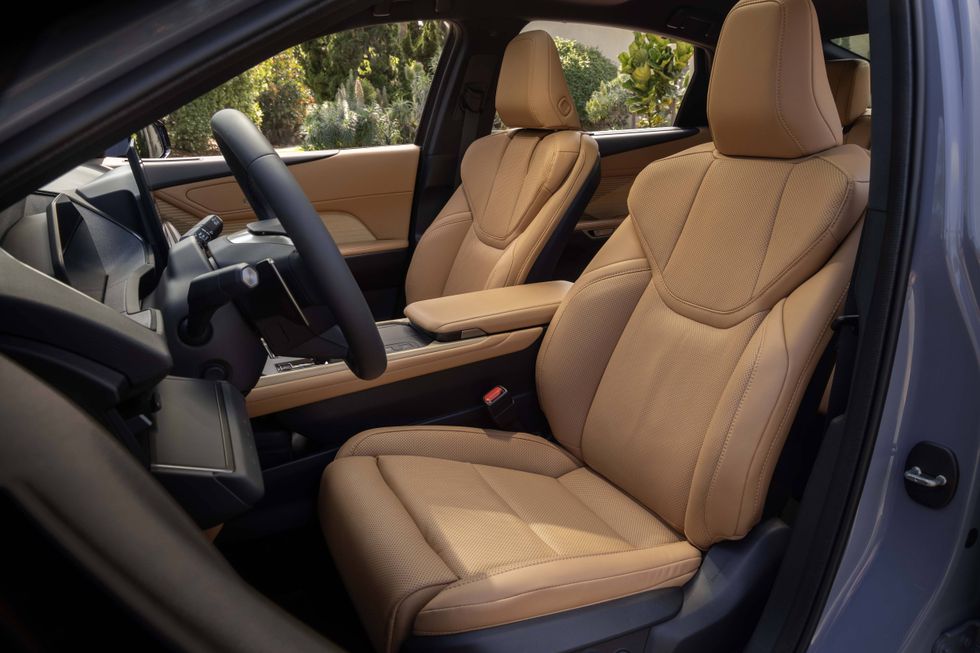
The cabin feels modern without becoming overwhelming.
Technology is integrated without dominating the experience.
And the minimalist layout manages to feel warm and luxurious rather than cold or sterile.
The new 14-inch touchscreen and updated Lexus Interface system modernize the experience considerably, while the horizontal dashboard layout and ambient lighting themes maintain the calming atmosphere Lexus buyers expect.
It is not overly tech-heavy.
But it has just enough modern luxury to make buyers realize this is probably what they wanted all along.
One unexpected surprise is the availability of the Executive Package.
With reclining rear seats, ventilation, massage functionality, rear climate controls, and a passenger side ottoman, the ES suddenly enters territory once reserved for flagship luxury sedans.
I do question how many buyers will actually choose this package and how often owners will fully use those features in real life.
And in today’s market, where newcomers like Genesis are aggressively pushing upscale features into the luxury sedan category, Lexus needed something unexpected to keep the ES conversation competitive.
From behind the wheel, the ES remains unmistakably Lexus.
The ride quality is smooth and composed without feeling overly soft or disconnected. Lexus tuned the suspension well enough to give drivers confidence during commuting and long highway trips while avoiding harshness or unnecessary stiffness.
Importantly, the ES no longer feels floaty or boat-like.
It feels refined.
Controlled.
Relaxed.
But still responsive enough to inspire confidence.
And that balance is probably exactly what most ES buyers actually want.
The acoustic glass, improved chassis rigidity, and low noise cabin design further reinforce the sense of calm isolation that has always defined the ES experience.
Visually, there is one design detail that may divide opinions: The contrasting trim treatment runs along the doors.
Depending on the exterior color, it may appear somewhat unusual in profile.
Personally, darker exterior colors seem to visually minimize that trim piece and create a cleaner overall look.
Still, the overall design is attractive, modern, and distinctive without becoming excessive.
And practicality has not been sacrificed.
There is enough trunk space for luggage, golf bags, or family road trip duty, while the improved rear legroom makes carpooling to the golf course or dinner genuinely comfortable.

Ultimately, the 2026 Lexus ES feels less like an incremental redesign and more like a strategic repositioning of what the ES can be.
For decades, the ES quietly succeeded by being dependable, comfortable, efficient, and attainable.
Now, Lexus appears ready for the ES to become more emotional and aspirational while still preserving the qualities that made it successful in the first place.
And that may be exactly what the luxury sedan market needed.
Buyer’s Guide
| Model | Price incl. DPH | Best For | Key Features |
| ES 350h Premium FWD | $51,095 | Fuel economy | 244 hp hybrid, 46 MPG combined, 14-inch touchscreen, 12.3-inch driver display, LSS+ 4.0 |
| ES 350h Premium AWD | $52,495 | All-weather hybrid choice | First AWD ES hybrid, 44 MPG combined, rear motor generator, 7.1 sec 0 to 60 |
| ES 350h Premium+ FWD | $55,895 | Luxury value | Adds higher-level comfort and technology features, available Mark Levinson audio |
| ES 350h Premium+ AWD | $57,295 | Overall ES hybrid | AWD, strong MPG, premium features, likely the sweet spot |
| ES 350e Premium | $48,895 | Most affordable ES EV | FWD, 307-mile EPA estimated range, 74.7 kWh battery, 221 hp |
| ES 500e Premium AWD | $51,895 | Performance value | Dual motor AWD, DIRECT4, 338 hp, 5.1 sec 0 to 60 |
| ES 350e Luxury | $57,295 | Comfort-focused EV | Semi-aniline leather, Mark Levinson, Luxury trim features, available Executive Package |
| ES 500e Luxury AWD | $60,295 | Loaded EV performance ES | DIRECT4 AWD, 338 hp, Luxury trim equipment |
Lexus prices include the $1,395 delivery, processing, and handling fee. The ES 350e and ES 500e use a 74.7 kWh battery. The ES 350e is rated for up to 307 miles of EPA-estimated range, while the ES 500e adds dual-motor AWD and 338 hp. The ES 350h uses Lexus’ sixth-generation hybrid system, producing 244 hp and delivering up to 46 MPG combined in FWD form or 44 MPG combined with AWD. Notable
Packages and Options
| Package or Feature | Availability | Why It Matters |
| Executive Package | ES 350e Luxury only | Rear seat ottoman, power rear seat adjustment, heated and ventilated rear seats, massage, rear climate controls |
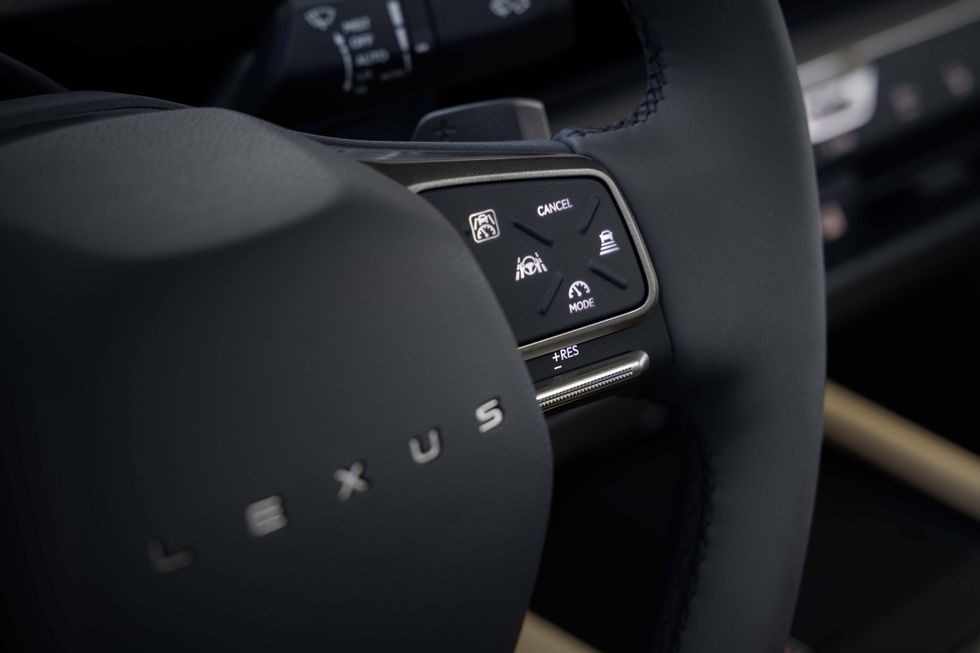
| Convenience Package | Premium trims are standard on Luxury trims | Intuitive Parking Assist, Rear Pedestrian Detection, Driver Monitor, Front Cross Traffic Alert, Lane Change Assist, Traffic Jam Assist |
| Mark Levinson Audio | Premium+ and Luxury grades | 17 speakers, 1,800 watts |
| 21-inch Wheel Package | ES 350e and ES 500e | Better visual presence, but may reduce EV range |
| Cold Area Package | Premium trims | Wiper deicer, headlamp washer, and radiant front seat knee heater on Premium trims |
Competitor Comparison
| Vehicle | Starting Price | Powertrain Angle | Why It Competes |
| 2026 Lexus ES 350h | $51,095 | Hybrid sedan, up to 46 MPG combined | Best efficiency story among luxury sedans |
| 2026 Lexus ES 350e | $48,895 | EV sedan, up to 307 miles range | Lower EV entry price than many luxury rivals |
| 2026 Lexus ES 500e AWD | $51,895 | Dual motor EV, 338 hp | Strong value for AWD EV performance |
| 2026 BMW 5 Series | $58,700 estimated base | Gas, plug in hybrid, i5 EV lineup | Sportier image, higher starting price, more performance-oriented |
| 2026 Mercedes-Benz E-Class | $66,400 E 350 4MATIC | Gas mild hybrid luxury sedan | More traditional prestige, but meaningfully higher price |
| 2026 Audi A6 Sedan | $64,100 | Gas V6 luxury sedan | Standard quattro image, tech-forward cabin, higher entry price |
| 2027 Audi A6 Sportback e tron | $66,700 | Comfort-focused EV | Strong EV competitor with a higher starting price |
| 2026 Genesis G80 | $58,450 | Gas luxury sedan | Value luxury rival with bold styling and strong features |
| 2026 Genesis Electrified G80 | About $76,225 to $80,975 | Full EV luxury sedan | Rear seat luxury and EV refinement, but at a much higher price |
AutoNsider Buyer Takeaway
The ES 350h Premium+ AWD looks like the best real-world pick because it offers fuel-economy advantages, available AWD, Lexus comfort, and premium equipment without forcing buyers into full EV ownership.
The ES 500e Premium AWD may be the surprise value play. For just over $51,000, it offers buyers dual-motor EV performance, DIRECT4 AWD, and 338 horsepower.
The ES 350e Luxury with Executive Package is the conversation starter. It may not be the volume seller, but it gives Lexus a credible answer to Genesis and other luxury sedans that are pushing rear-seat comfort as a premium statement.